






Air-Drying vs Blow-Drying: Is Air-Drying Hair Better Than Blow-Drying?
Most of us have heard that heat damages hair. So skipping the dryer and letting your hair dry naturally sounds like the healthier choice. But is it really that simple? Not always. Air-drying has its own downsides, and blow-drying is not the villain people make it out to be if you do it right.
Here is what actually happens to your hair with each method, and how to pick the best approach for your routine.
The Short Answer
Neither method is perfect for everyone. Air-drying is gentler on the surface but can stress the inner structure of your hair if it stays wet too long. Blow-drying causes surface damage from heat, but it locks in style and removes moisture faster. The best choice depends on your hair type, the climate you live in, and how much time you have.
What Happens When You Air-Dry Your Hair?
When you let your hair dry on its own, water sits inside the hair shaft for hours. Your hair swells when wet. The longer it stays swollen, the more pressure it puts on the proteins inside each strand. Over time, this can lead to weakness and breakage, especially if you have fine or fragile hair.
Air-drying also affects your scalp. A damp scalp for hours can create a friendly environment for fungus and bacteria. If you already deal with dandruff or itchiness, air-drying might make things worse.
On the bright side, air-drying avoids direct heat. That means no fried cuticles, no heat-induced frizz, and no split ends from a hot nozzle.
What Happens When You Blow-Dry Your Hair?
Blow-drying removes water quickly. That is good because it limits the time your hair stays in a swollen, fragile state. But the hot air blasts the outer layer of your hair, called the cuticle. When the cuticle lifts or cracks, your hair looks dull and feels rough.
High heat can also boil the water inside your hair, creating tiny bubbles that weaken the strand. This is called "bubble hair," and it is more common than people think. It happens when you use very high heat on soaking wet hair.
The upside? Blow-drying gives you control. You can shape your hair, add volume, smooth frizz, and walk out the door with dry hair in minutes instead of hours.
Air-Drying Pros and Cons
Pros:
- No heat damage to the cuticle
- Free and easy
- Better for very curly or coily hair when done with care
- Works well with leave-in conditioners and styling creams
Cons:
- Hair stays wet for hours, which stresses the cortex
- Scalp stays damp longer
- Can cause more frizz in humid weather
- May flatten fine hair at the roots
Blow-Drying Pros and Cons
Pros:
- Dries hair fast
- Lets you shape and style as you go
- Reduces the time hair stays in a fragile, wet state
- Helps seal the cuticle when used with a cool shot
Cons:
- Can cause heat damage if you skip protection
- May lead to dryness and split ends over time
- Takes practice to avoid overdrying
- Requires the right tools and products
Which One Is Actually Better?
If your hair is strong, thick, and healthy, air-drying is fine on most days. Just do not go to bed with wet hair, and do not let it stay damp against your scalp for too long.
If your hair is fine, fragile, color-treated, or prone to breakage, blow-drying on low heat with protection might actually be the safer option. The key is speed. Getting your hair from wet to dry quickly matters more than which tool you use.
For curly and coily hair, a mix of both works best. Air-dry until your hair is about 70 to 80 percent dry, then use a diffuser on low heat to finish. This reduces frizz while still protecting your curl pattern.
How to Air-Dry Hair the Right Way
- Gently squeeze out excess water with a microfiber towel or an old cotton t-shirt. Do not rub
- Apply a leave-in conditioner or anti-frizz serum to wet hair
- Comb with a wide-tooth comb, not a brush
- Let your hair down or loosely braid it depending on the texture you want
- Avoid touching it while it dries. The more you fuss, the more frizz you create
- Make sure your scalp gets airflow. Do not trap damp hair under a hat or scarf
Products That Help Either Way
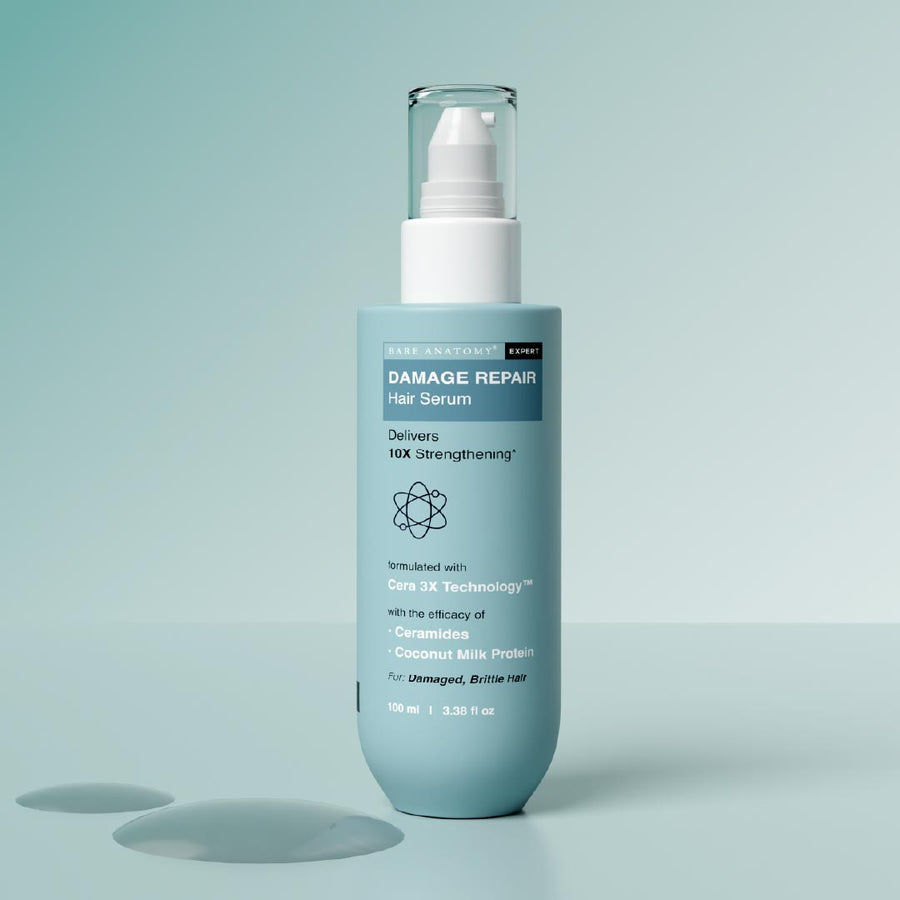
No matter how you dry your hair, the right products make a huge difference. A good heat protection spray is a must for blow-dry days. A nourishing leave-in conditioner keeps hair hydrated during air-drying. And a repair-focused shampoo and serum routine helps undo past damage from either method.


Shop the story



Fenugreek Seeds for Hair Growth & Hair Fall: Benefits, How to Use & Results
Did you know Fenugreek seeds play a vital role in regrowing your hair while preventing hair fall? If not, then you are probably not the only one who was unaware of this fact. Made with the goodness of fenugreek extract, this formula helps strengthen weak roots and prevent unwanted hair...


UV Index Explained: How to Measure Your Daily Sun Risk & Protect Your Skin
When we step out in the sun, most of us only think about temperature or brightness. But the real factor that determines how harmful the sun can be for your skin is the UV Index. Understanding the UV Index helps you know how strong the sun’s ultraviolet radiation is on...


Regrow Your Hair: Top 10 Tips to Regrow Your Hair Naturally
Hair fall, thinning, and slow growth are some of the most searched hair concerns in India. If you’ve been typing “how to regrow hair naturally” or “best way to grow hair faster” into Google lately, you’re not alone. The good news? In many cases, hair regrowth is possible with the...

Guide to the Best Sunscreen for Kids in India
For parents, protecting their child’s delicate skin is a daily concern, and sun safety is at the heart of it. Whether at the playground, swimming pool, or simply walking to school, a child’s exposure to UV rays can lead to sunburn, rashes, and long-term skin problems. You might wonder: What’s...

How to Fix an Oily Scalp Without Drying Out Your Hair?
The main reason for an oily scalp is the excessive production of sebum, a natural oil released by your sebaceous glands on your scalp. This oil is essential for protecting the scalp and keeping hair hydrated. Although sebum is necessary for a healthy scalp, excess levels mixed with sweat can...


