A face serum is a lightweight skincare product with concentrated active ingredients that target specific concerns. Common face serum uses include improving hydration, enhancing radiance, reducing excess oil, supporting smoother skin, and addressing concerns like acne, pigmentation, and uneven skin tone.
To learn how to apply face serum, start with cleansed skin, apply toner if needed, then use 2–3 drops of serum and gently pat it into your face. Follow with a moisturizer and finish with sunscreen during the day for the best results.
If you're looking for a face serum for glowing skin, the Chemist At Play 10% Vitamin C Serum with 2% Glucosamine is a great choice. It helps improve dullness, supports an even-looking complexion, and leaves skin looking brighter with regular use.
For oily and acne-prone skin, the Chemist At Play 2% Salicylic Acid Face Serum helps manage excess oil and unclog pores. If your concern is oil control, a niacinamide serum for oily skin also works well alongside a balanced skincare routine.
Yes. A pore-minimising serum with niacinamide helps reduce the appearance of enlarged pores by balancing excess oil and supporting smoother-looking skin. Consistent use often delivers the best visible results.
Yes, provided you choose a serum suitable for your skin type. Hydrating options like the Chemist At Play 1.5% Hyaluronic Acid Face Serum help support the skin barrier and provide lightweight hydration for sensitive or dehydrated skin.
No. A face serum targets specific concerns, while a moisturizer helps lock in hydration. For best results, use your serum first and follow it with a moisturizer as part of your daily skincare routine.
Always apply your face serum before moisturizer. Serums contain concentrated active ingredients that absorb best on clean skin, while moisturizer helps seal in hydration and support the skin barrier.
Yes. A niacinamide serum for oily skin helps regulate excess sebum, while Salicylic Acid supports clearer pores. Together, they help reduce unwanted shine without making skin feel dry.
You can start using a face serum in your late teens or early twenties, depending on your skin concerns. Choose ingredients that match your needs rather than focusing only on age.
Yes, Salicylic Acid and Niacinamide can generally be used together. Salicylic Acid helps exfoliate inside pores and manage excess oil, while Niacinamide can help manage oiliness and support the appearance of pores and uneven skin tone. If you have sensitive skin, introduce the combination gradually and monitor how your skin responds.
Yes, Niacinamide and Vitamin C can be used together in the same skincare routine. Both ingredients can complement a routine focused on improving the appearance of uneven skin tone and supporting healthier-looking skin. If you are new to active ingredients, introduce them gradually.
Vitamin C and Salicylic Acid can both be part of the same overall skincare routine, but using multiple active ingredients together may increase the risk of irritation for some people. If your skin is sensitive, consider using them at different times or on alternate days.
Yes, Hyaluronic Acid and Niacinamide can be used together. Hyaluronic Acid helps support skin hydration, while Niacinamide can help manage excess oil and improve the appearance of pores and uneven skin tone. Together, they can complement a balanced skincare routine.
Yes, Hyaluronic Acid and Vitamin C can be used together. Vitamin C can help support a brighter-looking complexion, while Hyaluronic Acid helps provide hydration. Applying a hydrating serum alongside Vitamin C can be part of a well-rounded skincare routine.
Yes, Salicylic Acid and Hyaluronic Acid can be used together. Salicylic Acid helps exfoliate inside pores and manage excess oil, while Hyaluronic Acid helps maintain skin hydration. This combination can be particularly useful when using exfoliating ingredients while maintaining a hydration-focused routine.
Recently viewed
Chemist At Play Face Serums for Every Skin Concern
Healthy skin starts with the right skincare routine, and a face serum is one of the most effective ways to target your skin's unique concerns. Whether you're looking for a face serum for glowing skin, a solution for acne, dehydration, excess oil, or uneven skin tone, Chemist At Play offers science-backed formulas powered by clinically relevant active ingredients.
From Vitamin C and Niacinamide to Salicylic Acid, Hyaluronic Acid, and exfoliating acids, every serum is formulated to deliver targeted care without feeling heavy on the skin. Whether you're a beginner or a skincare enthusiast, finding the best face serum for women or men becomes easy with formulations tailored to different skin needs and everyday routines.
What Is a Face Serum?
A face serum is a lightweight skincare product formulated with concentrated active ingredients to target specific skin concerns. Depending on the formulation, a serum can help hydrate the skin, improve the appearance of dullness and uneven skin tone, manage excess oil, support clearer-looking skin, or improve the appearance of rough and uneven skin texture.
Unlike moisturisers, which primarily focus on hydrating the skin and supporting the skin barrier, face serums are designed to provide targeted skincare benefits. Choosing a serum based on your skin type and concern can help you build a more personalised skincare routine.
What are the Benefits of Using a Face Serum?
The right face serum can complement your daily skincare routine and help address specific skin concerns. Depending on the ingredients and formulation, face serums can help:
Improve skin hydration and maintain moisture
Support brighter-looking and more radiant skin
Improve the appearance of uneven skin tone and pigmentation
Manage excess oil and shine
Support clearer-looking skin
Improve the appearance of pores
Smooth the appearance of rough and uneven skin texture
Address specific concerns with targeted active ingredients
For best results, choose a serum based on your skin type and primary concern and use it consistently as directed.
How to Choose the Right Face Serum?
The best face serum for you depends on your skin type and the concern you want to address.
For Dry and Dehydrated Skin
If your skin feels dry, tight, or dehydrated, choose a hydrating face serum formulated with ingredients such as Hyaluronic Acid and Ceramides. These ingredients help replenish moisture and support the skin barrier.
For Oily Skin
If you have oily or combination skin, look for a lightweight serum that targets excess oil without leaving the skin feeling heavy. A Niacinamide serum for oily skin can help manage excess oil while supporting the appearance of pores and uneven skin tone.
For Acne-Prone Skin
For oily and acne-prone skin, look for a serum containing Salicylic Acid. A Salicylic Acid serum helps exfoliate inside pores and manage excess oil, making it a suitable choice for concerns related to clogged pores and acne.
For Pigmentation and Uneven Skin Tone
If pigmentation or uneven skin tone is your primary concern, consider targeted ingredients such as Vitamin C and Niacinamide. These ingredients can help improve the appearance of uneven-looking skin with consistent use.
For Dull Skin
If your skin looks dull or lacks radiance, a Vitamin C face serum can help improve the appearance of dullness and support a brighter-looking complexion.
For Rough and Uneven Skin Texture
If your skin feels rough or has an uneven texture, exfoliating acids can help remove dead skin cell buildup and improve the appearance of skin texture. Use exfoliating products according to the recommended instructions to avoid over-exfoliation.
How to Apply Face Serum Correctly?
Following the right order can help you build a simple and consistent skincare routine.
Step 1: Cleanse Your Face
Start by cleansing your face with a suitable face wash to remove dirt, sweat, oil, and impurities.
Step 2: Apply Toner
If toner is part of your skincare routine, apply it after cleansing.
Step 3: Apply Your Face Serum
Take the recommended amount of serum and gently apply it to your face. Follow the product-specific instructions for the correct amount and frequency of use.
Step 4: Apply Moisturiser
Follow your serum with a moisturiser to help maintain hydration and support the skin barrier.
Step 5: Apply Sunscreen During the Day
Complete your morning skincare routine with a broad-spectrum sunscreen. Sunscreen is especially important when using exfoliating or active skincare ingredients.
Tip: Always follow the usage instructions provided for your specific serum, particularly when using products containing exfoliating acids or other active ingredients.
Building an Effective Skincare Routine
A simple, consistent routine is the foundation of healthy-looking skin. Here are some of the points you need to keep in mind while building an effective skincare routine:
Introduce active ingredients gradually to allow your skin to adjust
Avoid layering too many serums in one routine
Wear sunscreen every morning, even on cloudy days
Stay consistent with your skincare routine for the best results
Choose products based on your skin type and concerns
Always patch test new skincare products before full application
Adjust your routine as your skin changes with the seasons
Explore the Chemist At Play Face Serum Range
10% Vitamin C Serum
One of the bestselling face serums is the Chemist at Play 10% Vitamin C Serum with 2% Glucosamine. This lightweight face serum for glowing skin helps improve the appearance of uneven skin tone while supporting a brighter, more radiant complexion.
2% Salicylic Acid Face Serum
Specially formulated for oily and acne-prone skin, the Chemist at Play 2% Salicylic Acid Face Serum helps manage excess oil, unclog pores, and support clearer-looking skin. If you're searching for the best face serum for acne and dark spots, this lightweight serum fits seamlessly into your daily skincare routine.
1.5% Hyaluronic Acid Intensely Hydrating Face Serum
Deeply hydrate your skin with the Chemist at Play 1.5% Hyaluronic Acid Face Serum enriched with Ceramides. This lightweight serum helps replenish moisture, supports the skin barrier, and leaves skin feeling soft and supple. It's an excellent choice for dry, dehydrated, and sensitive skin looking for long-lasting hydration.
10% Niacinamide Clarifying Face Serum
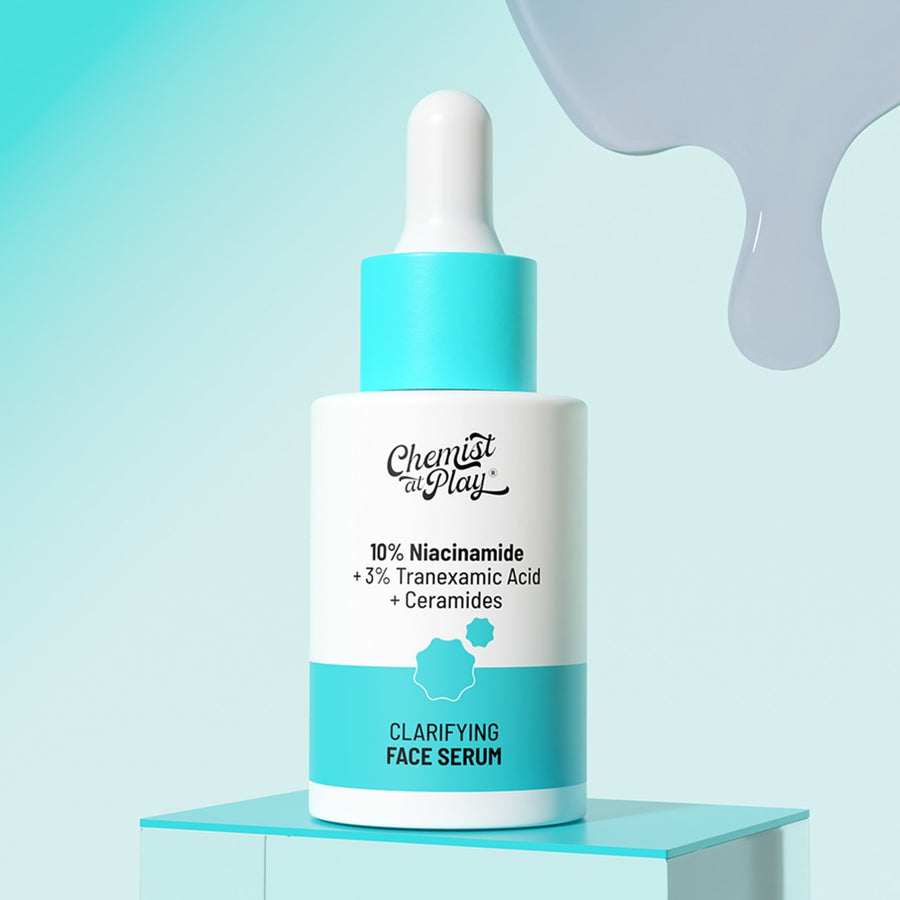
The Chemist at Play 10% Niacinamide Clarifying Face Serum helps balance excess oil, refine the appearance of pores, and visibly improve uneven skin tone. Whether you're looking for a 10% niacinamide face serum or a pore minimizing serum, this multitasking formula is designed to support clearer, smoother-looking skin.
For smoother, more refined skin, the Chemist at Play 26% AHA + 4% PHA + 2% BHA Exfoliating Peeling Solution gently exfoliates dead skin cells and helps improve skin texture. It even supports a brighter-looking complexion and complements your weekly skincare routine when used as directed.





 Product has been added to cart