






How to Find the Best Sunscreen for Combination Skin: A Brief Guide
Finding the best sunscreen for combination skin can feel like solving a skincare puzzle. You’re dealing with an oily T-zone and dry cheeks, and almost every product seems to either clog your pores or leave a greasy residue. If you’ve been on the lookout for the best SPF for combination skin that keeps both shine and dryness in check, you’re in the right place. This guide breaks down everything you need to know, from dermatologist tips to why SunScoop gel-based sunscreens for combination skin are absolute game-changers.
Understanding Combination Skin & Its Sunscreen Struggles
Combination skin typically means having an oily forehead, nose, and chin (your T-zone), with normal to dry cheeks. The challenge? Finding a sunscreen for combination skin that moisturizes the dry zones without making the oily areas shinier or prone to breakouts. Many struggle with picking the right sun cream for combination skin that offers protection without compromising balance.
What to Look for in the Best Sunscreen for Combination Skin
-
Lightweight & Non-Comedogenic
Choose a non-comedogenic sunscreen for combination skin to avoid clogged pores and breakouts. These formulas keep your skin breathing while staying protected.
-
Gel-Based or Oil-Free Formulas
A gel sunscreen for combination skin absorbs quickly and controls oil, making it ideal for the T-zone.
-
Hydrating Ingredients
Look for hydrating agents like hyaluronic acid, aloe vera, or glycerin. A good sunscreen cream for combination skin should hydrate the dry areas without adding shine.
-
Broad-Spectrum SPF 30 or Higher
The best sunscreen for combination skin with SPF 50 offers top-tier protection against UVA and UVB rays. Always go for an SPF 50+ sunscreen for combination skin if you spend a lot of time outdoors. Preferably, opt for a lightweight gel sunscreen which gives even protection without feeling heavy on the skin.

-
Matte or Semi-Matte Finish
To avoid looking greasy by noon, opt for sunblock for combination skin that leaves a matte or natural finish. What a matte sunscreen does is it gives you that non-oily finish, which is great in summers.

How to Apply Sunscreen on Combination Skin: Step-by-Step
Even the best sunscreen for combination skin won’t work its magic unless applied the right way. Here’s your go-to application guide:
Step 1: Cleanse Gently
Start with a mild cleanser that doesn’t strip your skin. This preps your face for smooth sunscreen application.
Step 2: Use Moisturizer (If Needed)
If your cheeks feel tight, dab on a lightweight, non-comedogenic moisturizer. Or try a combination skin SPF moisturizer that hydrates while protecting.
Step 3: Apply Sunscreen as the Final Step
Use about a 1/4 teaspoon or two fingers' worth of product. Whether you choose a facial sunscreen for combination skin or a multitasking sunscreen for combination sensitive skin, make sure it covers all areas.
Step 4: Start with the T-Zone
Pat sunscreen into your T-zone first, then gently apply it to cheeks and jawline. This helps avoid overloading drier areas.
Step 5: Let It Set Before Makeup
Wait at least 60 seconds before applying foundation or concealer. This allows your sun screen for combination skin to settle and work as a base.
Step 6: Reapply Every 2–3 Hours
Especially important if you're using active ingredients like AHAs or retinoids. Keep a spray or powder sunscreen handy for easy reapplication—yes, even over makeup.
Final Thoughts
Your combination skin deserves balance, glow, and solid protection. Whether you're looking for the best sunscreen for combination skin, a gel-based sunscreen, or a non-comedogenic sunblock, the key is finding a formula that suits both your dry and oily zones, and we at SunScoop ensure just that.
And remember: skincare isn’t one-size-fits-all. Try different textures, always patch test, and let your skin decide what works best.
Want more sun-smart tips? Explore our other blogs on best sunscreen for men, sunscreens for oily skin, & sunscreens for dry skin and more!

Shop the story




Fenugreek Seeds for Hair Growth & Hair Fall: Benefits, How to Use & Results
Did you know Fenugreek seeds play a vital role in regrowing your hair while preventing hair fall? If not, then you are probably not the only one who was unaware of this fact. Made with the goodness of fenugreek extract, this formula helps strengthen weak roots and prevent unwanted hair...


UV Index Explained: How to Measure Your Daily Sun Risk & Protect Your Skin
When we step out in the sun, most of us only think about temperature or brightness. But the real factor that determines how harmful the sun can be for your skin is the UV Index. Understanding the UV Index helps you know how strong the sun’s ultraviolet radiation is on...


Regrow Your Hair: Top 10 Tips to Regrow Your Hair Naturally
Hair fall, thinning, and slow growth are some of the most searched hair concerns in India. If you’ve been typing “how to regrow hair naturally” or “best way to grow hair faster” into Google lately, you’re not alone. The good news? In many cases, hair regrowth is possible with the...

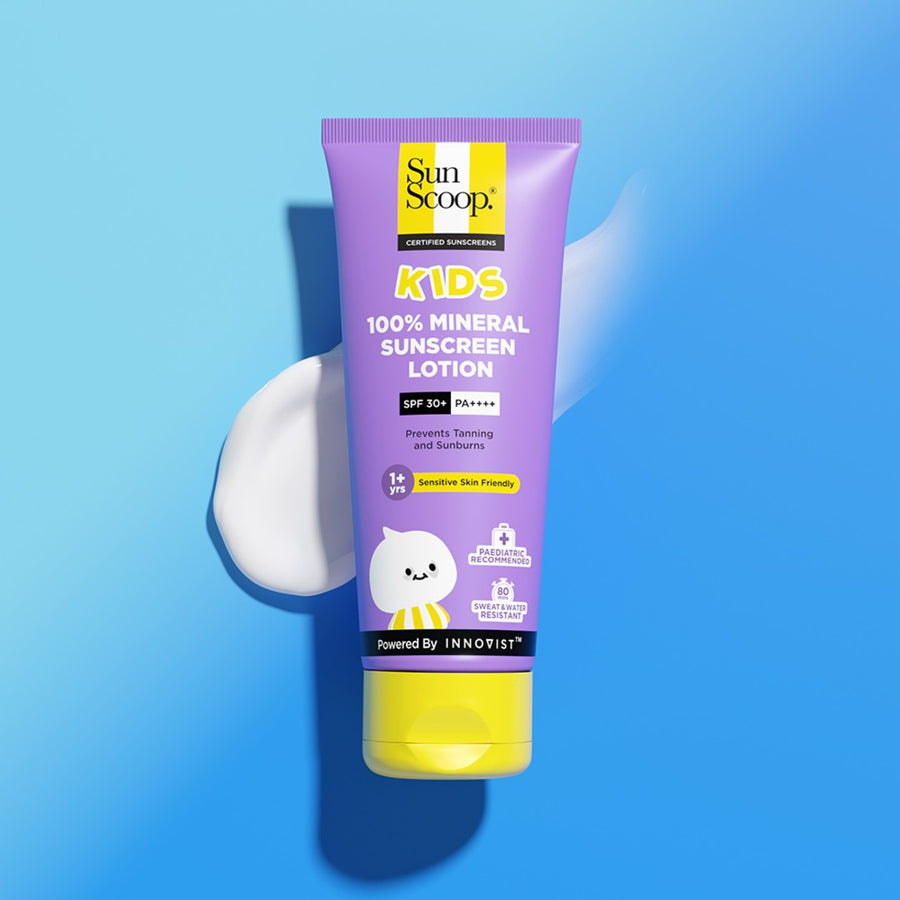
Guide to the Best Sunscreen for Kids in India
For parents, protecting their child’s delicate skin is a daily concern, and sun safety is at the heart of it. Whether at the playground, swimming pool, or simply walking to school, a child’s exposure to UV rays can lead to sunburn, rashes, and long-term skin problems. You might wonder: What’s...

How to Fix an Oily Scalp Without Drying Out Your Hair?
The main reason for an oily scalp is the excessive production of sebum, a natural oil released by your sebaceous glands on your scalp. This oil is essential for protecting the scalp and keeping hair hydrated. Although sebum is necessary for a healthy scalp, excess levels mixed with sweat can...


