






Chemically Treated Hair Care: What Changes After You Colour or Straighten Your Hair
Whether you've recently coloured your hair, opted for global highlights, or undergone a straightening treatment, you've probably noticed that your hair behaves differently afterwards.
It may feel drier than usual. The colour may gradually lose its vibrancy. Your strands might become more prone to frizz, roughness, or breakage. These changes aren't unusual, they're often a natural result of the chemical processes used to alter your hair's colour or structure.
The good news? With the right chemically treated hair care routine, you can help maintain healthier-looking hair while preserving colour, shine, and smoothness for longer.
Let's understand what actually changes after colouring or straightening your hair and how you can care for it effectively.
What Is Chemically Treated Hair?
Chemically treated hair refers to hair that has undergone a process designed to alter its natural colour, texture, or structure.
Common chemical treatments include:
-
Hair colouring
-
Hair bleaching
-
Highlights and balayage
-
Hair smoothening
-
Hair straightening
-
Keratin treatments
-
Rebonding
While these treatments can transform the appearance of your hair, they also affect the hair fibre, which is why post-treatment care becomes essential.
What Happens to Hair After Colouring?
Hair colour treatments work by interacting with the hair shaft to deposit or modify pigments.
During this process, the hair cuticle may become more vulnerable to external stressors such as washing, heat styling, pollution, and UV exposure.
As a result, coloured hair may experience:
-
Faster moisture loss
-
Reduced shine
-
Colour fading over time
-
Increased roughness
-
Greater susceptibility to damage
This is one reason many colour specialists recommend switching to products specifically designed for coloured hair immediately after treatment.
What Happens to Hair After Straightening or Smoothening?
Straightening and smoothening treatments alter the natural structure of the hair to create a sleeker appearance.
Although the results can be long-lasting, chemically straightened hair often requires extra care because it may become:
-
More fragile
-
More prone to dryness
-
Vulnerable to breakage
-
Less resilient to environmental stressors
Maintaining hydration and reducing unnecessary stress on the hair becomes particularly important after these treatments.
Why Does Colour Fade Faster Than Expected?
One of the biggest concerns after colouring hair is colour fading.
Many factors can contribute to fading, including:
Frequent Washing
Every wash exposes coloured hair to water and cleansing agents, which can gradually affect colour vibrancy.
Harsh Cleansing Systems
Some shampoos can strip away more than just dirt and oil, leaving hair feeling dry and causing colour to appear less vibrant over time.
Heat Styling
Frequent use of hot tools can affect the appearance and longevity of coloured hair.
Environmental Exposure
Sunlight, pollution, and humidity can all influence how long hair colour looks fresh and vibrant.
Why Sulphate-Free Hair Care Matters for Coloured Hair
One of the most common recommendations for coloured hair is switching to a sulphate-free shampoo.
Sulphate-free shampoos are designed to cleanse the hair without the intense cleansing action that can sometimes leave colour-treated hair feeling dry or stripped.
This is particularly important because coloured hair often requires a balance between effective cleansing and colour preservation.
Choosing a sulphate-free shampoo for coloured hair can help support shine, softness, and overall manageability while fitting into a colour-care routine.
How to Build a Hair Care Routine for Chemically Treated Hair
1. Use a Colour-Protect Shampoo
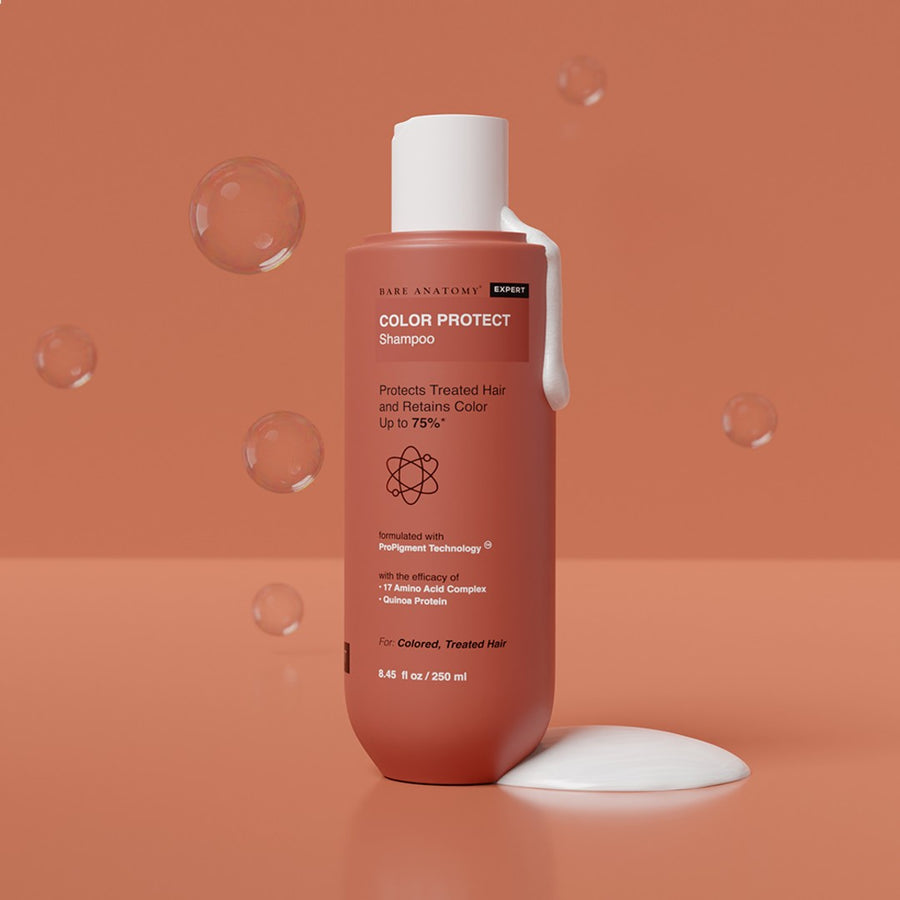
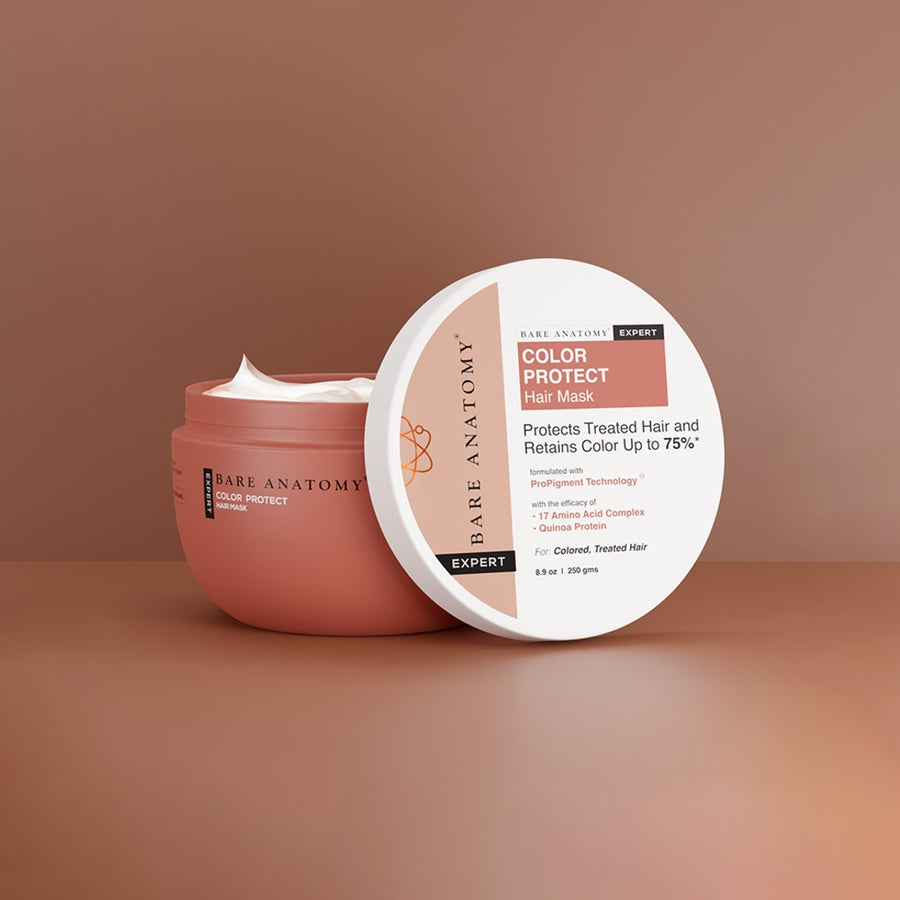
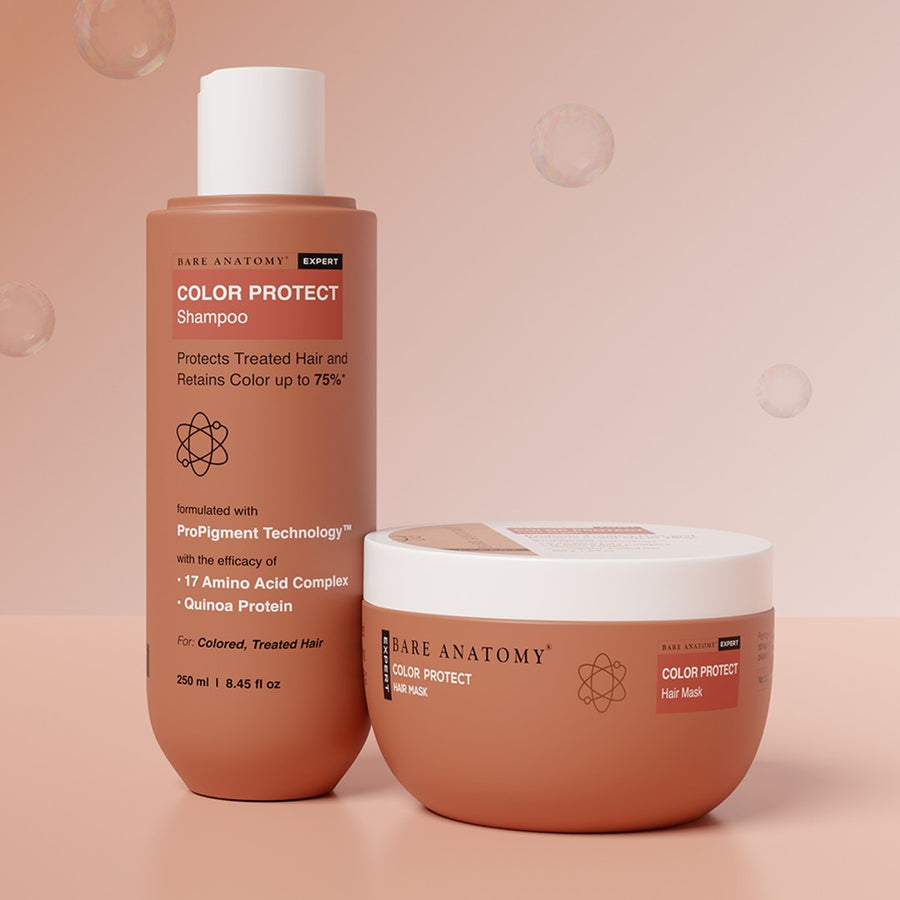
Not all shampoos are formulated with coloured hair in mind. Hair that has been coloured or chemically treated often benefits from products specifically designed to help maintain vibrancy and support the hair fibre. This is where colour-protect formulations can make a difference. Bare Anatomy Color Protect Shampoo is a sulphate-free shampoo for coloured hair designed to help retain hair colour for longer while keeping hair glossy, smooth, and vibrant. Its Pro Pigmentation Technology™ helps support colour retention, making it suitable for people looking to maintain freshly coloured hair between salon visits.
2. Focus on Moisture
Chemically treated hair often requires additional hydration compared to untreated hair.
Using nourishing conditioners and masks can help improve softness and manageability.
3. Limit Excessive Heat Styling
While occasional styling is unlikely to cause major issues, frequent heat exposure can contribute to dryness and dullness over time.
4. Protect Hair from Environmental Stressors
UV exposure, pollution, and humidity can affect both colour and overall hair appearance.
Simple protective measures can help maintain results for longer.
5. Be Consistent
Healthy-looking coloured hair is usually the result of consistent care rather than occasional treatments.
Using products designed for colour-treated hair regularly often delivers better long-term results than switching products frequently.
Signs Your Current Hair Care Routine May Not Be Working
You may need to reassess your routine if:
-
Your colour fades quickly after salon appointments
-
Hair feels dry or rough
-
Shine disappears within a few weeks
-
Hair becomes difficult to manage
-
Ends feel brittle or fragile
In many cases, switching to products specifically formulated for chemically treated hair can help address these concerns.
Common Mistakes People Make After Colouring Their Hair
Using Regular Shampoo Immediately After Colouring
Coloured hair often has different needs than untreated hair.
Ignoring Moisture Needs
Hydration becomes increasingly important after chemical treatments.
Overwashing
Washing too frequently may contribute to faster colour fading.
Relying Only on Salon Treatments
At-home maintenance plays a major role in preserving colour and overall hair quality.
Final Thoughts
Colouring, straightening, and smoothening treatments can transform the way your hair looks, but they also change how your hair needs to be cared for.
Chemically treated hair often requires a more thoughtful approach that focuses on maintaining moisture, protecting the hair fibre, and preserving colour vibrancy. Choosing products specifically formulated for coloured hair can help support these goals while keeping hair looking healthy, glossy, and manageable.
Frequently Ask Questions
Shop the story
Most Read Blogs

Retinol 101: Benefits, How to Start & What to Expect
Retinol is a vitamin A derivative widely used in skincare to improve skin texture, manage acne, reduce the appearance of fine lines, and address uneven skin tone. It supports skin cell turnover...


Can You Use Salicylic Acid Every Day? Safe Frequency, Skin Types
Salicylic acid is a beta-hydroxy acid (BHA) commonly used in skincare to exfoliate dead skin cells, unclog pores, and help manage mild acne. It is especially helpful for people dealing with oily...

Salicylic Acid for Body Acne & Keratosis Pilaris: Does It Really Work?
Body acne and keratosis pilaris (KP) can both make your skin look bumpy, but they are different skin concerns. Body acne often appears as pimples, blackheads, or clogged pores on the back,...

Salicylic Acid for Dandruff & Scalp Buildup: How It Works & Best Ways to Use It
Dandruff, visible flakes, and scalp buildup can make your hair feel itchy and uncomfortable, and difficult to manage. Excess oil, dead skin, and leftover hair product can build up on the scalp,...

Salicylic Acid Face Wash vs Serum: Key Differences & Which One Your Skin Needs
Salicylic acid is a popular skincare ingredient for managing excess oil, clogged pores, blackheads, and acne. It is available in different formulations, including face washes and serums. While both can help with...

How Salicylic Acid Treats Acne & Breakouts: Benefits, Strength & Best Routine
Acne often develops when excess oil, dead skin cells, and other impurities build up in the pores. This buildup can lead to blackheads, whiteheads, and inflamed pimples. If your skin often feels...


