






Greasy Hair After One Day? What’s Causing Excess Oil & How to Fix It
Greasy hair after one day is usually caused by excess oil (sebum) production from the scalp, triggered by over-washing, dandruff, incorrect shampoo choices, or scalp imbalance.
Using the right oil control shampoo, treating dandruff properly, and following a balanced hair care routine can help keep your scalp fresh and hair clean for longer.
What Does Greasy Hair Look Like?
Greasy hair doesn’t always mean dirty hair. It often appears as:
-
Oily or shiny roots within 24 hours of washing
-
Flat, limp hair with no volume
-
Hair strands clumping together near the scalp
-
Greasy scalp after washing hair
-
Dry, frizzy, or rough ends with oily roots
If your hair looks clean right after washing but greasy the very next day, you likely have an oily scalp with dry ends, not poor hygiene.
What Causes Greasy Hair?
Greasy hair is caused by excess oil production from the scalp due to internal and external factors.
The most common reasons for greasy hair include:
-
Overactive oil (sebaceous) glands
-
Washing hair too frequently
-
Using the wrong shampoo for oily hair
-
Dandruff and scalp inflammation
-
Product build-up on the scalp
-
Hormonal changes, stress, and humidity
1. Overactive Oil Glands
Your scalp naturally produces oil to protect hair. When oil glands become overactive, oil builds up faster, making hair greasy within a day.
2. Over-Washing Your Hair
 Frequent shampooing strips natural oils, causing the scalp to produce even more oil to compensate.
3. Using the Wrong Shampoo
Heavy, moisturising shampoos can worsen oiliness.
People with greasy scalp often need an oil control shampoo, not a hydrating one.
4. Does Dandruff Cause Greasy Hair?
Yes. Oily dandruff is linked to excess sebum and fungal imbalance.
This can make the scalp feel itchy, flaky, and greasy at the same time.
Why Does My Hair Get Greasy 1 Day After Washing?
Hair gets greasy after one day because the scalp is producing excess oil due to imbalance or irritation.
Common reasons include:
-
Harsh or incorrect shampoo usage
-
Untreated dandruff
-
Excessive scrubbing of the scalp
-
Product residue clogging follicles
💡 A greasy scalp doesn’t mean an unhealthy scalp but if ignored, it can lead to itchiness, dandruff, clogged follicles, and even hair thinning over time.
Hair Care Routine for Greasy Hair (Expert-Approved)
Step 1: Cleanse with the Right Shampoo
Choose a shampoo for oily hair that:
-
Controls excess oil
-
Cleanses without stripping
-
Keeps the scalp calm and balanced
Look for ingredients like: Niacinamide, Salicylic acid (mild), Tea tree & Zinc PCA in your Shampoo
Choose your shampoo based on your scalp condition:
-
Oil Control Shampoo
Helps regulate excess sebum without drying the scalp.

-
Anti-Dandruff Shampoo
Ideal if you experience flakes, itchiness, or greasy dandruff.

👉 If dandruff is present, always treat dandruff first oiliness usually reduces on its own.
Step 2: Use Conditioner the Right Way
Skipping conditioner can make oily scalp worse.
-
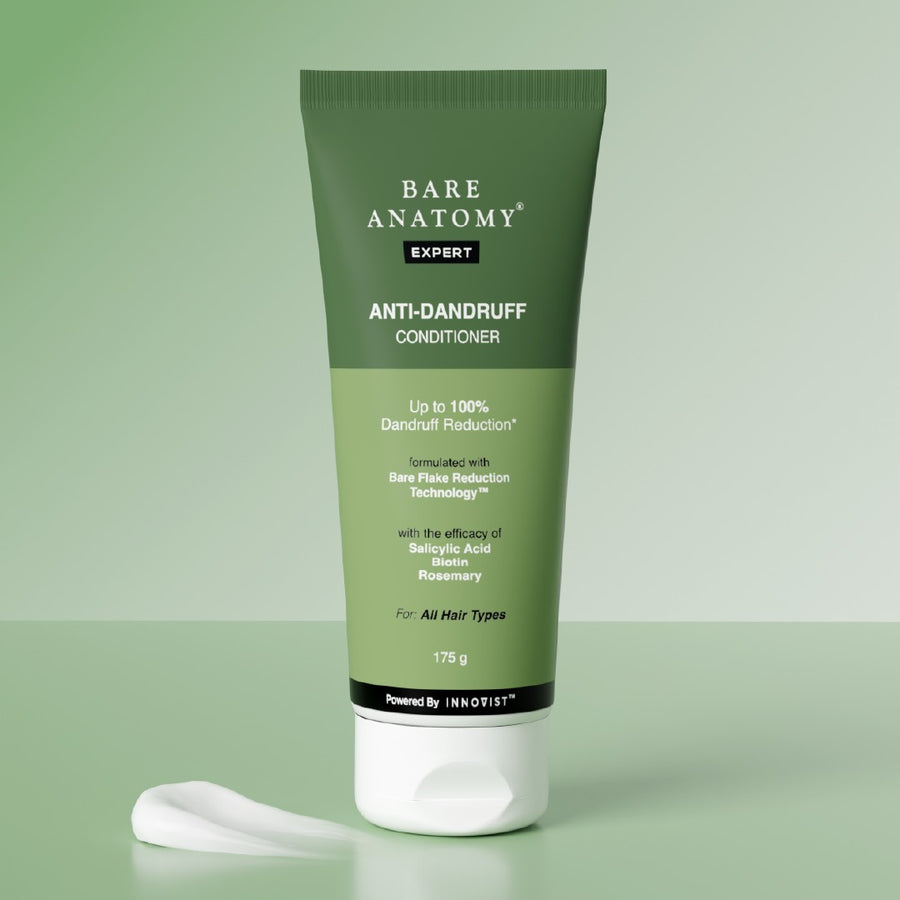
Use an Anti-Dandruff Conditioner
-
Apply only to mid-lengths and ends
-
Avoid applying conditioner on the scalp
This prevents dry ends without increasing scalp oil.
Step 3: Wash Hair 2–3 Times a Week
Over-washing overstimulates oil glands. Give your scalp time to rebalance naturally.
Step 4: Avoid Heavy Products on Roots
Hair oils, serums, and styling creams near the scalp can cause build-up and make hair greasy faster.
How to Prevent Greasy Hair Long-Term
To keep oiliness under control, follow these habits consistently:
-
Use oil control or anti-dandruff shampoos as needed
-
Avoid touching or over-brushing hair
-
Wash pillowcases and combs regularly
-
Use lukewarm water instead of hot
-
Limit dry shampoo overuse
-
Manage stress and maintain a balanced diet

Shop the story




Fenugreek Seeds for Hair Growth & Hair Fall: Benefits, How to Use & Results
Did you know Fenugreek seeds play a vital role in regrowing your hair while preventing hair fall? If not, then you are probably not the only one who was unaware of this fact. Made with the goodness of fenugreek extract, this formula helps strengthen weak roots and prevent unwanted hair...


UV Index Explained: How to Measure Your Daily Sun Risk & Protect Your Skin
When we step out in the sun, most of us only think about temperature or brightness. But the real factor that determines how harmful the sun can be for your skin is the UV Index. Understanding the UV Index helps you know how strong the sun’s ultraviolet radiation is on...


Regrow Your Hair: Top 10 Tips to Regrow Your Hair Naturally
Hair fall, thinning, and slow growth are some of the most searched hair concerns in India. If you’ve been typing “how to regrow hair naturally” or “best way to grow hair faster” into Google lately, you’re not alone. The good news? In many cases, hair regrowth is possible with the...

Guide to the Best Sunscreen for Kids in India
For parents, protecting their child’s delicate skin is a daily concern, and sun safety is at the heart of it. Whether at the playground, swimming pool, or simply walking to school, a child’s exposure to UV rays can lead to sunburn, rashes, and long-term skin problems. You might wonder: What’s...

How to Fix an Oily Scalp Without Drying Out Your Hair?
The main reason for an oily scalp is the excessive production of sebum, a natural oil released by your sebaceous glands on your scalp. This oil is essential for protecting the scalp and keeping hair hydrated. Although sebum is necessary for a healthy scalp, excess levels mixed with sweat can...


