






Hair Loss After Illness: Why It Happens and How to Reduce Post-Illness Hair Fall
If you have been shedding more hair than usual after a fever, infection, or long illness, you are not alone. Many people notice clumps in the shower or extra strands on the pillow during recovery. The good news is that this type of hair loss is usually temporary. Your hair growth cycle is simply responding to the stress your body went through.
In this article, we explain why hair fall increases after illness and share practical steps to reduce shedding and support healthy regrowth.
Why Does Hair Fall Increase After Illness?
Telogen Effluvium: The Most Common Cause
Your hair grows in cycles. At any given time, most of your hair is in the growing phase, called anagen. A smaller portion rests in the shedding phase, called telogen. When your body faces a major stressor like high fever, a viral infection, surgery, or significant blood loss, it can push a large number of growing hairs into the resting phase all at once.
About two to three months later, those resting hairs start falling out. This condition is called telogen effluvium. It is the leading reason people see sudden diffuse shedding after illness.
Fever and Inflammation
High fever forces your body to redirect energy away from non-essential functions. Hair growth is not a priority when your immune system is fighting an infection. Inflammation from prolonged illness can also affect the tiny blood vessels that feed your hair follicles, making them weaker for a short period.
Medication Side Effects
Some medications used during illness can trigger shedding. Antibiotics, antivirals, and strong painkillers are known to affect hair cycles in sensitive individuals. This is usually reversible once the medication is stopped and the body recovers.
Nutritional Gaps
Illness often reduces appetite and changes how your body absorbs nutrients. Iron, zinc, vitamin D, and protein are all critical for hair growth. When these run low during or after sickness, your hair is often the first place to show it.
How Long Does Post-Illness Hair Loss Last?
Most people notice shedding starting six to twelve weeks after the illness ends. It can last anywhere from a few weeks to a few months. In typical cases, hair returns to its normal growth pattern within three to six months after recovery.
If shedding continues beyond six months, it may be worth speaking to a dermatologist to rule out other causes.
How to Reduce Hair Fall After Recovery
1. Be Gentle With Your Hair
Wet hair is fragile. Avoid rough towel drying and tight hairstyles. Use a wide-tooth comb and let your hair air dry when possible. Skip heat styling tools for a while to reduce breakage on already weakened strands.
2. Eat for Hair Growth
Focus on protein-rich foods like eggs, lentils, and fish. Add iron from leafy greens and zinc from nuts and seeds. If your diet has been limited during recovery, consider a short course of a multivitamin after checking with your doctor.
3. Take Care of Your Scalp
A clean, healthy scalp supports better regrowth. Use an anti-hairfall shampoo that does not strip natural oils. Massage your scalp gently for five minutes a few times a week to improve blood flow. A scalp massager can make this easier and more effective.
4. Use Targeted Hair Products
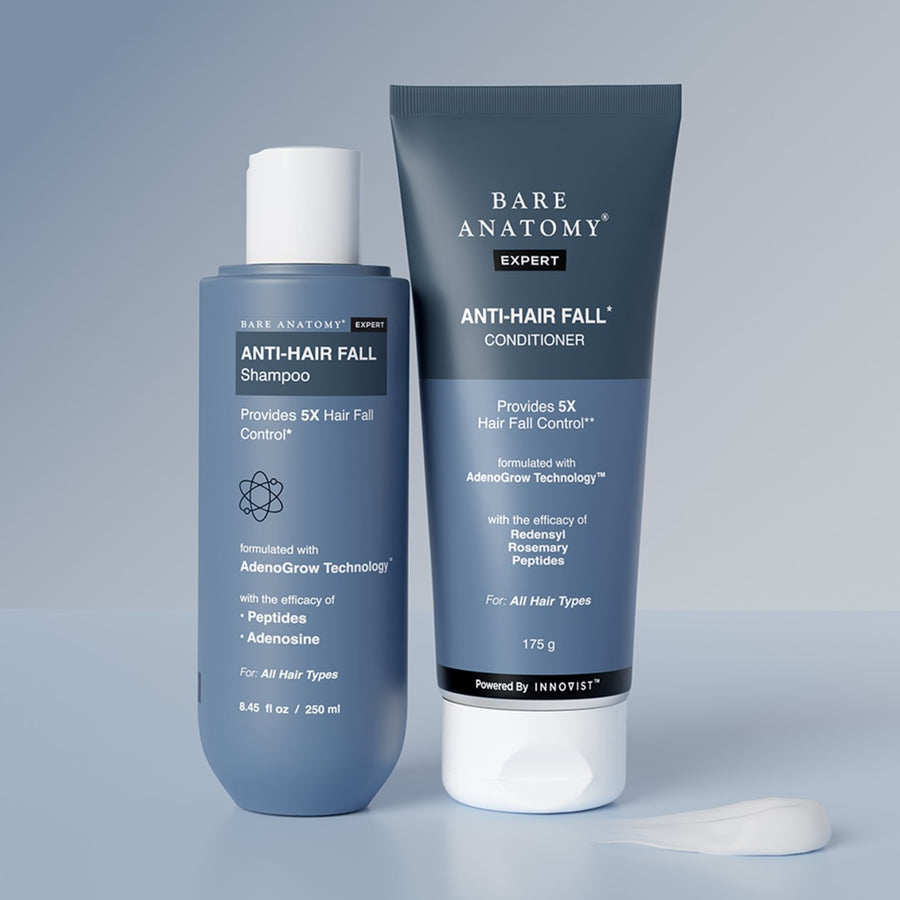
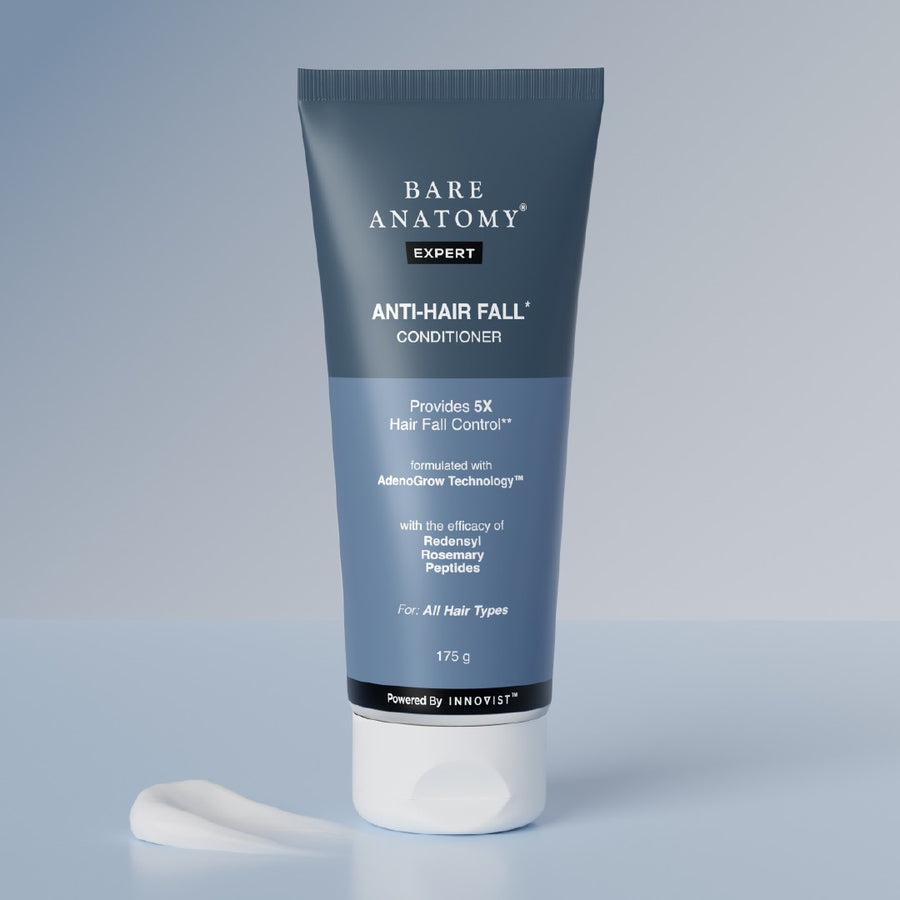
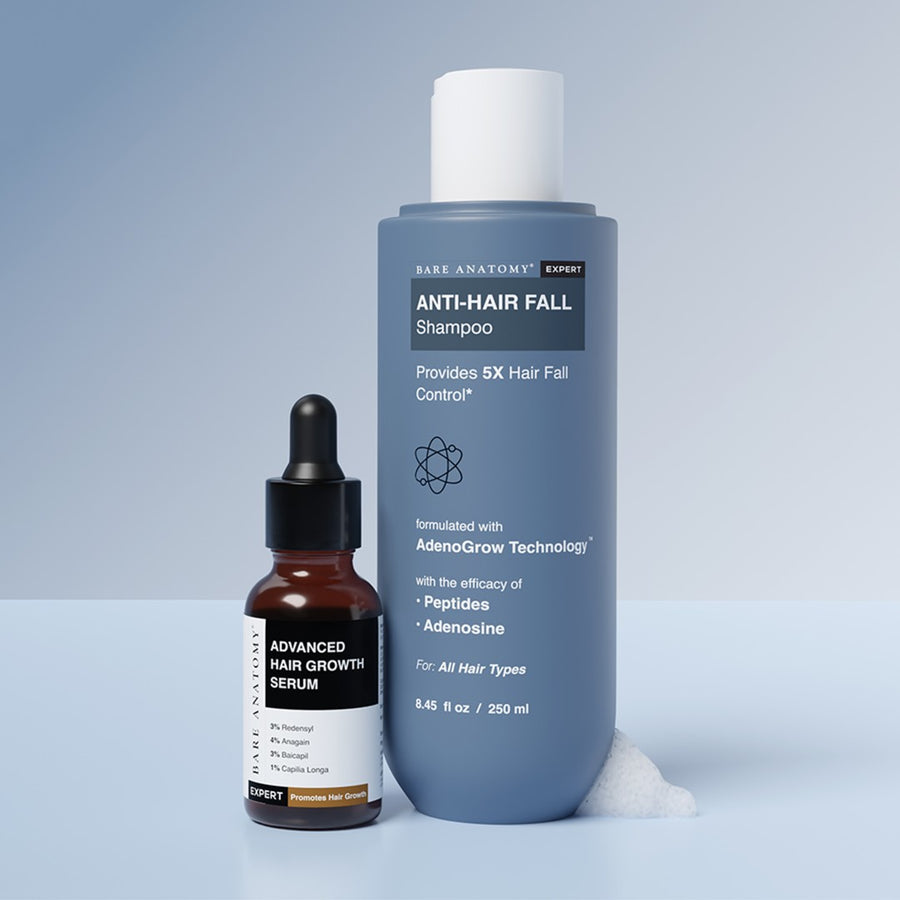
Switching to products made for hair fall control can make a visible difference during recovery. Look for ingredients like adenosine, peptides, redensyl, and rosemary oil, which are known to support follicle health and reduce breakage.


5. Manage Stress
Recovery itself can be stressful. Poor sleep and anxiety can prolong telogen effluvium. Try to keep a regular sleep schedule and do light physical activity as your doctor allows. Even short walks help lower cortisol, which benefits your hair cycle.
6. Stay Hydrated
Dehydration affects skin and scalp health. Drink enough water throughout the day so your follicles get the moisture they need to function well.
When to See a Doctor
You should consult a dermatologist if:
- Hair loss continues beyond six months after recovery
- You notice bald patches or scarring on the scalp
- Shedding is accompanied by redness, itching, or flaking
- You feel unusually tired, cold, or weak alongside hair loss, which could signal a thyroid or iron issue

Shop the story



Fenugreek Seeds for Hair Growth & Hair Fall: Benefits, How to Use & Results
Did you know Fenugreek seeds play a vital role in regrowing your hair while preventing hair fall? If not, then you are probably not the only one who was unaware of this fact. Made with the goodness of fenugreek extract, this formula helps strengthen weak roots and prevent unwanted hair...


UV Index Explained: How to Measure Your Daily Sun Risk & Protect Your Skin
When we step out in the sun, most of us only think about temperature or brightness. But the real factor that determines how harmful the sun can be for your skin is the UV Index. Understanding the UV Index helps you know how strong the sun’s ultraviolet radiation is on...


Regrow Your Hair: Top 10 Tips to Regrow Your Hair Naturally
Hair fall, thinning, and slow growth are some of the most searched hair concerns in India. If you’ve been typing “how to regrow hair naturally” or “best way to grow hair faster” into Google lately, you’re not alone. The good news? In many cases, hair regrowth is possible with the...

Guide to the Best Sunscreen for Kids in India
For parents, protecting their child’s delicate skin is a daily concern, and sun safety is at the heart of it. Whether at the playground, swimming pool, or simply walking to school, a child’s exposure to UV rays can lead to sunburn, rashes, and long-term skin problems. You might wonder: What’s...


