






Why Is My Hair Falling Out as a Teenager?
Hair fall is frustrating at any age but when it happens during your teen years, it can feel especially scary. Whether you’re 14, 15, 16 or 17 hair thinning or a receding hairline as a teenager can severely impact your confidence and self-image.
Let’s break down what causes teen hair loss, how to treat it and smart hairstyle ideas to conceal and manage thinning hair for both teenage boys and girls.
Common Causes of Hair Loss in Teenagers

1. Hormonal Changes & Puberty
-
During puberty, hormonal changes can disrupt the natural hair growth cycle.
-
Hormonal Changes can cause thinning hair or even teenage balding in some boys and girls.
2. Stress & Anxiety
-
Emotional stress from school, social pressure or personal issues may trigger telogen effluvium a condition that causes sudden hair shedding.
3. Poor Diet & Nutritional Deficiencies
-
Low levels of iron, zinc, biotin, protein or Vitamin D can weaken hair follicles.
-
Many teens who follow extreme diets or skip meals face this issue.
4. Scalp Conditions
-
Dandruff, seborrheic dermatitis, fungal infections or eczema can inflame the scalp leading to hair fall.
5. Overstyling & Heat Damage
-
Excessive use of flat irons, curling tools or tight hairstyles can cause traction alopecia, especially in teenage girls.
6. Alopecia Areata
-
An autoimmune condition where the body attacks its own hair follicles, causing patchy hair loss.
7. Genetics (Early Pattern Baldness)
-
Male-pattern baldness can begin in late teens if there's a family history of early hair loss.
-
Early signs include a receding hairline and thinning at the crown.
Teenage Hair Loss in Girls: Specific Causes

-
PCOS (Polycystic Ovary Syndrome)
-
Hormonal contraceptives or menstrual imbalances
-
Overuse of dry shampoo, serums or harsh chemical treatments
-
Frequent use of tight braids, buns or ponytails
Teenage Hair Loss in Boys: Specific Causes
-
High testosterone levels or DHT sensitivity
-
Creatine supplements or steroid use for muscle gain
-
Genetic male-pattern baldness (Androgenic Alopecia)
Best Treatments for Teenage Hair Loss

Treatments should always address the root cause and not just the symptoms. Here’s what works for most teens:
1. Topical Hair Growth Serums
-
Look for serums with like the Bare Anatomy Hair growth Serum with Redensyl & Rosemary.

-
Safe and effective when used consistently for 2–3 months.
2. Balanced Diet & Supplements
-
Eat more: eggs, nuts, leafy greens, lentils, seeds.
-
Consider supplements like Biotin, Zinc, Iron, or a multivitamin—only after consulting a doctor.
3. Gentle Hair Care Routine
-
Use mild, sulfate-free shampoos such as Bare Anatomy Anti Hairfall Shampoo designed for sensitive scalps.
-
Wash 2–3 times/week to avoid stripping natural oils.
-
Avoid hot water while washing hair.
4. Scalp Massages
-
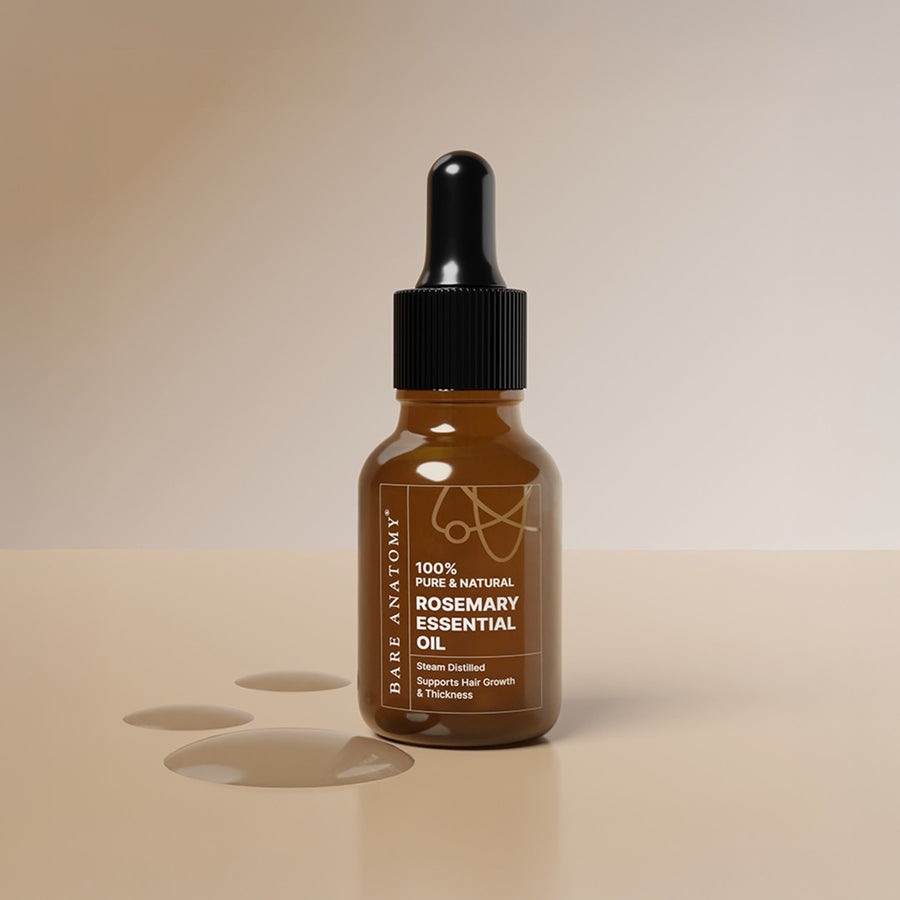
Regular oiling or massages with rosemary oil can improve blood circulation and promote growth.
5. Stress Management
-
Activities like yoga, journaling, sports, or meditation can help lower cortisol levels, reducing hair fall.
6. Medical Help
-
If you're losing clumps or noticing bald patches, consult a dermatologist.
-
For alopecia areata, treatments include steroid injections, topical minoxidil, or immunotherapy.
Hairstyle Ideas for Teens With Thinning Hair
Until your hair regrows, here are some stylish, volume-boosting hairstyles to try.
For Teenage Boys:
1. Textured Crop
-
Adds volume and distracts from receding hairlines or thinning crowns.
2. Buzz Cut
-
Minimal maintenance and makes hair loss less noticeable.
3. Side-Part with Volume
-
Works great for slightly thinning hair on top.
4. Crew Cut or Caesar Cut
-
Keeps hair neat, low-maintenance, and reduces the contrast of sparse areas.
For Teenage Girls:
1. Layered Haircut
-
Adds movement and makes hair look fuller.
2. Loose Braids or Low Ponytails
-
Avoid tight pulling and use silk scrunchies.
3. Bangs or Curtain Fringe
-
Hides thinning hairlines or frontal volume loss.
4. Messy Bun with Volume Spray
-
Casual and stylish while giving the illusion of thicker hair.
5. Short Bob or Lob
-
Easy to manage and adds visual thickness to thin hair.
When to See a Dermatologist?
-
If your hairline is visibly receding at 15 or 16
-
You’re noticing bald patches or circular spots
-
Your scalp itches, flakes, or burns
-
You’re losing hair in clumps
Final Thoughts: You Can Regain Control
Teenage hair loss isn’t rare and it’s not the end. Whether it’s due to puberty, stress, hormones, or styling, there are ways to treat and even reverse it. The key is to act early, nourish your body, care for your scalp and stay consistent with treatments.
No matter your gender your hair is a part of your identity but it doesn’t define you. Confidence grows from self-care, not just your hairline.

Shop the story



Fenugreek Seeds for Hair Growth & Hair Fall: Benefits, How to Use & Results
Did you know Fenugreek seeds play a vital role in regrowing your hair while preventing hair fall? If not, then you are probably not the only one who was unaware of this fact. Made with the goodness of fenugreek extract, this formula helps strengthen weak roots and prevent unwanted hair...


UV Index Explained: How to Measure Your Daily Sun Risk & Protect Your Skin
When we step out in the sun, most of us only think about temperature or brightness. But the real factor that determines how harmful the sun can be for your skin is the UV Index. Understanding the UV Index helps you know how strong the sun’s ultraviolet radiation is on...


Regrow Your Hair: Top 10 Tips to Regrow Your Hair Naturally
Hair fall, thinning, and slow growth are some of the most searched hair concerns in India. If you’ve been typing “how to regrow hair naturally” or “best way to grow hair faster” into Google lately, you’re not alone. The good news? In many cases, hair regrowth is possible with the...

Guide to the Best Sunscreen for Kids in India
For parents, protecting their child’s delicate skin is a daily concern, and sun safety is at the heart of it. Whether at the playground, swimming pool, or simply walking to school, a child’s exposure to UV rays can lead to sunburn, rashes, and long-term skin problems. You might wonder: What’s...

How to Fix an Oily Scalp Without Drying Out Your Hair?
The main reason for an oily scalp is the excessive production of sebum, a natural oil released by your sebaceous glands on your scalp. This oil is essential for protecting the scalp and keeping hair hydrated. Although sebum is necessary for a healthy scalp, excess levels mixed with sweat can...


