






Hair Serums: Types, Benefits & How to Use for Perfect Hair
We know that a healthy hair care routine can be simplified into three easy steps: cleanse with a shampoo, nourish with a conditioner or mask, and protect with a hair serum.
While most of us remember to cleanse and condition, the final step of applying a serum is often overlooked. As a result, hair becomes vulnerable to damage from heat styling, pollution, humidity & more.
Beyond forming a protective layer on the hair shaft, hair serums benefit the natural texture, shine, and strength of your hair.
Thus, in the blog, we’ll guide you through everything you need to know about hair serums and how to use them to complete your hair care routine.
What is a Hair Serum?
A hair serum is a lightweight, water-based formula designed to enhance both the look and feel of your hair. It helps:
- Regulate moisture
- Reduce frizz and flyaways
- Add shine and softness
Depending on the formulation, hair serums can also deliver targeted benefits like heat protection, damage repair, or even scalp-focused solutions for concerns such as dandruff, hair growth, and premature greying.
Benefits of Hair Serums
1. Frizz Control
Frizz often occurs when the hair cuticle is raised, allowing excess moisture from the environment to disrupt the strand’s structure. Hair serums help by forming a protective coat that smooths the cuticle and keeps humidity from swelling the hair shaft. This keeps flyaways in check and ensures your hairstyle holds its shape throughout the day.

2. Heat & Pollution Protection
Daily exposure to styling tools and environmental factors can weaken hair over time. A good hair serum works like an invisible shield, minimizing the impact of heat from blow dryers or straighteners while also guarding against UV rays and pollution particles that strip away natural oils. This barrier reduces long-term damage and keeps your hair healthier.
3. Damage Repair
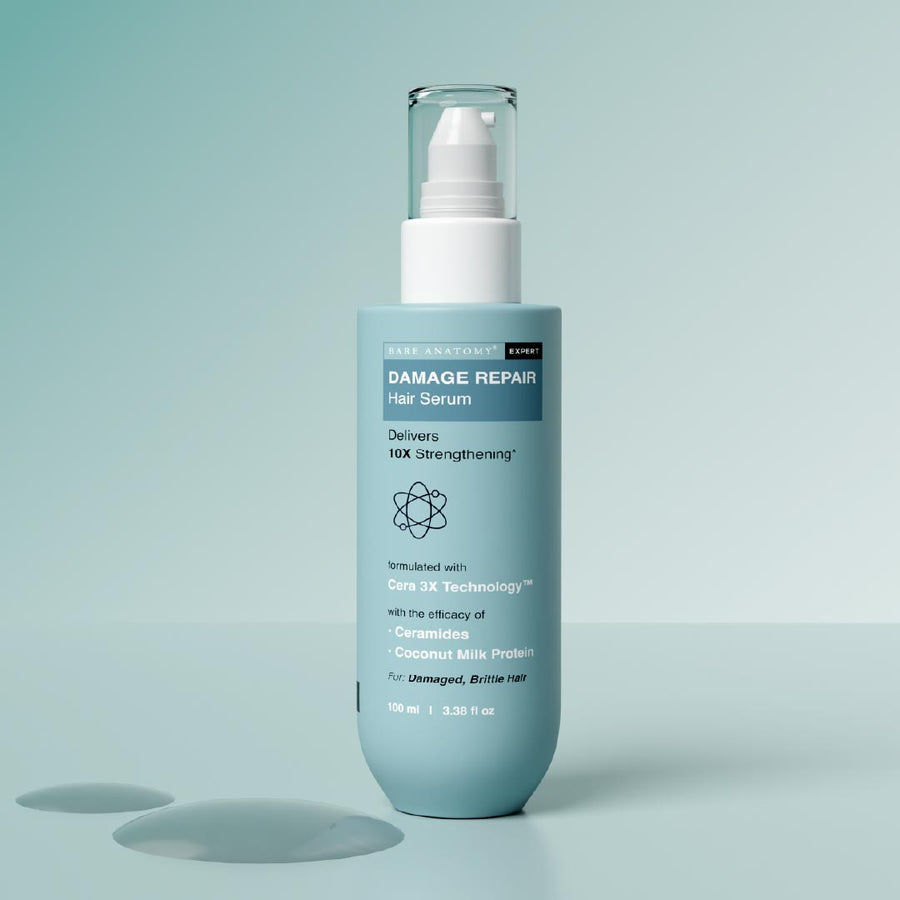
Chemically treated or frequently styled hair tends to become weak, brittle, and prone to breakage. A damage repair hair serum infused with nourishing actives like ceremides & coconut milk protein can help rebuild strength by filling in gaps along the hair shaft and improving elasticity. With regular use, it helps repair damaged strands and resist further breakage.
 4. Smoothness & Shine
Beyond protection and repair, specific hair serums can help to restore smoothness & shine to your hair in 1 use. They instantly improve the overall finish of your hair by coating the strands that reflect light, adding noticeable gloss and softness. The result is hair that looks salon styled without any extra effort.
The Different Types of Hair Serums
Hair serums can be broadly classified into two types. Some are designed for the lengths and ends to smooth, protect, and add shine, while others are formulated for the scalp to support growth, strengthen roots, or address specific concerns like premature greying.
1. Damage Repair Serum
Best suited for hair that’s dry, brittle, or chemically treated, damage repair serums help strengthen weakened strands, seal lifted cuticles, and restore lost moisture. They minimize split ends, tame frizz, and protect hair from further breakage.
2. Smoothing & Shine Serum
Ideal for those with rough or frizzy hair, smoothing serums lock in hydration and create a silky finish. They form a lightweight protective barrier that reduces dryness, enhances shine, and keeps hair manageable throughout the day. Bare Anatomy Ultra-Smoothing Serum restores hair smoothness by 37% in one use.
3. Heat Protection Serum
Frequent styling with straighteners, curlers, or blow-dryers can cause heat damage over time. Heat protection serums coat the strands with a safeguarding layer, reducing moisture loss and preventing weakening of the hair shaft while ensuring your style lasts longer.
4. Targeted Treatment Serums (Growth & Anti-Grey)
Formulated for topical scalp application, these hair serums deliver clinically backed actives directly to the roots. A good example of this is Advanced Hair Growth Serum by Bare Anatomy that nourishes follicles, improves density, and supports healthier growth powered by Redesyl, Rosemary & Rice Water.
How to Use Hair Serum: Step-by-Step Guide
For Hair Lengths & Ends

-
Wash and towel-dry your hair until it’s slightly damp, not dripping.
-
Take a pea-sized amount of serum in your palm (adjust depending on your hair length).
-
Rub between your hands and gently run fingers through the mid-lengths and ends. Avoid the roots to prevent greasiness.
-
Comb through for even distribution and follow up with air-drying or heat styling if needed.
For the Scalp
-
Part your hair in sections and use the dropper/nozzle to apply serum directly onto a clean & dry scalp.
-
Gently massage it in using small circular motions to improve absorption and blood circulation.
-
Most scalp serums are lightweight leave-in treatments that don’t need to be rinsed off immediately.
Conclusion
Hair serums complete a routine by adding the protection and care that shampoo and conditioner alone can’t provide. From tackling frizz to repairing damage or treating scalp concerns, the right serum can make your hair healthier and easier to manage.
Want to learn more? Check out our guides on how to get rid of dandruff on scalp and hair mask vs conditioner for a well-rounded routine.

Shop the story



Fenugreek Seeds for Hair Growth & Hair Fall: Benefits, How to Use & Results
Did you know Fenugreek seeds play a vital role in regrowing your hair while preventing hair fall? If not, then you are probably not the only one who was unaware of this fact. Made with the goodness of fenugreek extract, this formula helps strengthen weak roots and prevent unwanted hair...


UV Index Explained: How to Measure Your Daily Sun Risk & Protect Your Skin
When we step out in the sun, most of us only think about temperature or brightness. But the real factor that determines how harmful the sun can be for your skin is the UV Index. Understanding the UV Index helps you know how strong the sun’s ultraviolet radiation is on...


Regrow Your Hair: Top 10 Tips to Regrow Your Hair Naturally
Hair fall, thinning, and slow growth are some of the most searched hair concerns in India. If you’ve been typing “how to regrow hair naturally” or “best way to grow hair faster” into Google lately, you’re not alone. The good news? In many cases, hair regrowth is possible with the...

Guide to the Best Sunscreen for Kids in India
For parents, protecting their child’s delicate skin is a daily concern, and sun safety is at the heart of it. Whether at the playground, swimming pool, or simply walking to school, a child’s exposure to UV rays can lead to sunburn, rashes, and long-term skin problems. You might wonder: What’s...

How to Fix an Oily Scalp Without Drying Out Your Hair?
The main reason for an oily scalp is the excessive production of sebum, a natural oil released by your sebaceous glands on your scalp. This oil is essential for protecting the scalp and keeping hair hydrated. Although sebum is necessary for a healthy scalp, excess levels mixed with sweat can...


