






How to Exfoliate Your Skin Correctly?
Exfoliation is a tricky subject. But do you know that regular exfoliation can lead to a glowing complexion if you get it right? Yes, you heard it right! When dead skin cells build up on the outer layers of your skin, it can cause your skin to look dull, dry, flaky, and even clog pores. And regular exfoliation can prevent this from happening.
When exfoliating, it's essential to do so safely to avoid damaging your skin or causing acne breakouts. Choosing an exfoliation method based on skin type is crucial since not every way works for everyone.
Let's look at the correct way of exfoliating your skin and the different methods.
Did you know? Dead skin cells make up your skin's first 18 to 23 layers. When these dead skin cells don't sloop off as they should, you can be left with dull, dry skin symptoms.
What is exfoliating skin?

Exfoliating has been used for centuries, dating back to the ancient Romans. Exfoliating skin is the process of removing dead skin cells from the skin's surface. Well, not just dead skin cells; it also helps in reducing skin pigmentation and skin discoloration.
This can be done using various methods, including scrubs, chemical peels, and exfoliating cleansers. When moisturizer is applied, you expose a fresh layer of skin that is ready to retain hydration.
According to research, naturally, our body sheds these dead skin cells, but the rate at which that happens slows down over time. Hence exfoliation and exfoliators are a sword to shed those skin cells fast to give you radiant, glowing skin.
There are many benefits of exfoliating your skin.
- Exfoliating helps improve the skin's appearance by revealing the healthy, new cells underneath.
- It can also help improve skincare products' absorption and effectiveness of other treatments, such as facials.
- Help to stimulate blood circulation and promote new cell growth.
- Help to reduce the appearance of fine lines and wrinkles.
What are different methods of skin exfoliation?
How to exfoliate your skin or how to use an exfoliating body scrub? The internet is bombarded with this question. Well, there are various ways you can apply to exfoliate your skin. Mechanical exfoliation involves using a physical tool or device to scrub away dead skin cells, while chemical exfoliation uses chemicals or enzymes to dissolve the bonds between dead skin cells.
Both methods can be pretty effective at sloughing away dead skin and revealing the brighter, smoother skin beneath.
Mechanical Exfoliants
Exfoliating washcloth/ loofah:

This is a gentler way to exfoliate your skin. Wet the washcloth or loofah and add some soap. Rub the washcloth or loofah over your skin in a circular motion.
Exfoliating gloves are another great way to slog off dead skin cells. Simply massage the product onto your skin in a circular motion and rinse well.
Exfoliating scrub:

You can also use a sugar or salt scrub. Wet your skin and apply the scrub. Rub the scrub over your skin in a circular motion.
Exfoliating brush:
Dry brushing is a popular method of exfoliation as it is gentle and effective. Use a soft, dry brush on your skin in a circular motion to dry the brush. Be sure to avoid any broken skin or open wounds.
Dr. Jaishree Sharad recommends, "It is best to start slowly and be gentle when you are new to mechanical exfoliation. To avoid irritating the skin, scrub in circular motions and avoid scrubbing too hard."
Chemical Exfoliants
There are several ways to exfoliate your skin chemically. The most common method is to use an alpha hydroxy acid (AHA) or beta hydroxy acid (BHA) product. These acids work by dissolving the bonds that hold dead skin cells together, allowing them to be sloughed away. AHAs are typically used for general skin brightening and smoothing, while BHAs are better for acne-prone skin as they are oil-soluble and can penetrate deep into pores. Other exfoliating acids include glycolic acid, lactic acid, and salicylic acid. Chemical exfoliation can be done at home using over-the-counter products or at a dermatologist or esthetician's office via professional peels.
How to exfoliate skin correctly?
Ideally, the best time to exfoliate your skin is at night to avoid exposure to the sun on freshly exfoliated skin.
Let's look at the process of exfoliation.
- The first rule of exfoliation is to clean your skin thoroughly before exfoliating to get the best results.
- Be sure to use a gentle exfoliating agent. Something with tiny beads or granules will work best. You don't want to damage or irritate your skin by using something too harsh.
- Use a light touch when exfoliating. You don't want to scrub your skin too hard, damaging it.
- Make sure to exfoliate all over your face, not just in one spot.
- Rinse your face well after exfoliating to remove all the dead skin cells.
- Follow up with a moisturizer to hydrate your skin.
"No matter how you exfoliate your skin, it's important not to disrupt the skin barrier," says Dr. Nivedita Dadu. Watch the insightful video here on how to exfoliate your skin.
How to exfoliate according to your skin type
Exfoliation for Oily Skin

For oily skin, chemical exfoliation works the best. It reaches deep into the pores and removes more built-up oil and debris. Look for exfoliants that contain salicylic acid, glycolic acid, or both. Start with a lower acid concentration and increase the strength as your skin becomes more tolerant. Apply the exfoliant to damp skin and massage it for 1-2 minutes before rinsing it off. Use this type of exfoliation 1-2 times per week for best results.
Exfoliation for Dry skin
Entirely refrain from using physical exfoliators on dry skin. Dry skin is flaky and physical exfoliators can lead to redness and irritation.
Instead, opt for a mild exfoliating serum or cleanser and immediately follow with your preferred moisturizer. You can also use chemical exfoliants such as AHA and PHA to improve skin texture.
Exfoliating for Sensitive skin

You must be careful when choosing an exfoliating product if you have sensitive skin. You want to avoid anything too harsh or abrasive, irritating your skin. Instead, look for a product that contains gentle ingredients like enzymes or lactic acid. You can also try using a soft washcloth or loofah to exfoliate your skin. Be sure to use gentle, circular motions and avoid scrubbing too hard.
Exfoliating for Combination skin

A few different types of exfoliation can be beneficial for those with combination skin. Gentle physical exfoliation can help slough away dead skin cells, while a chemical exfoliation can help deep clean and unclog pores. A hydrating mask can also be beneficial for combination skin, as it can help to restore moisture and balance oil production.
Exfoliating for Normal Skin

There are many different types of exfoliants on the market, but not all are appropriate for normal skin. A good exfoliant for normal skin should be gentle and non-abrasive so as not to damage the skin. Some popular exfoliants for normal skin include gentle scrubs, cleansing pads, and enzyme-based exfoliants.
A quick framework on exfoliation routine for different skin types
|
Skin type |
Day |
Exfoliator |
|
Oily |
Three times a week |
Physical or Chemical exfoliation |
|
Dry |
Once a week |
Chemical exfoliation |
|
Sensitive |
Once a week |
Chemical exfoliation |
|
Combination |
Two-Three times a week |
Chemical, physical exfoliation, or a combination of both |
|
Normal |
Two-Three times a week |
Physical or Chemical exfoliation |
The Bottom Line
Exfoliation is a critical part of a facial routine and can be just as crucial for your body. Exfoliation is one of the best ways to clear pores, removing dirt and dead skin cells. The result is healthier and smoother skin. But exfoliating your skin incorrectly can result in skin irritation, so it is essential to exfoliate the right way. We hope this blog post has helped you understand skin exfoliation and how it can benefit you.
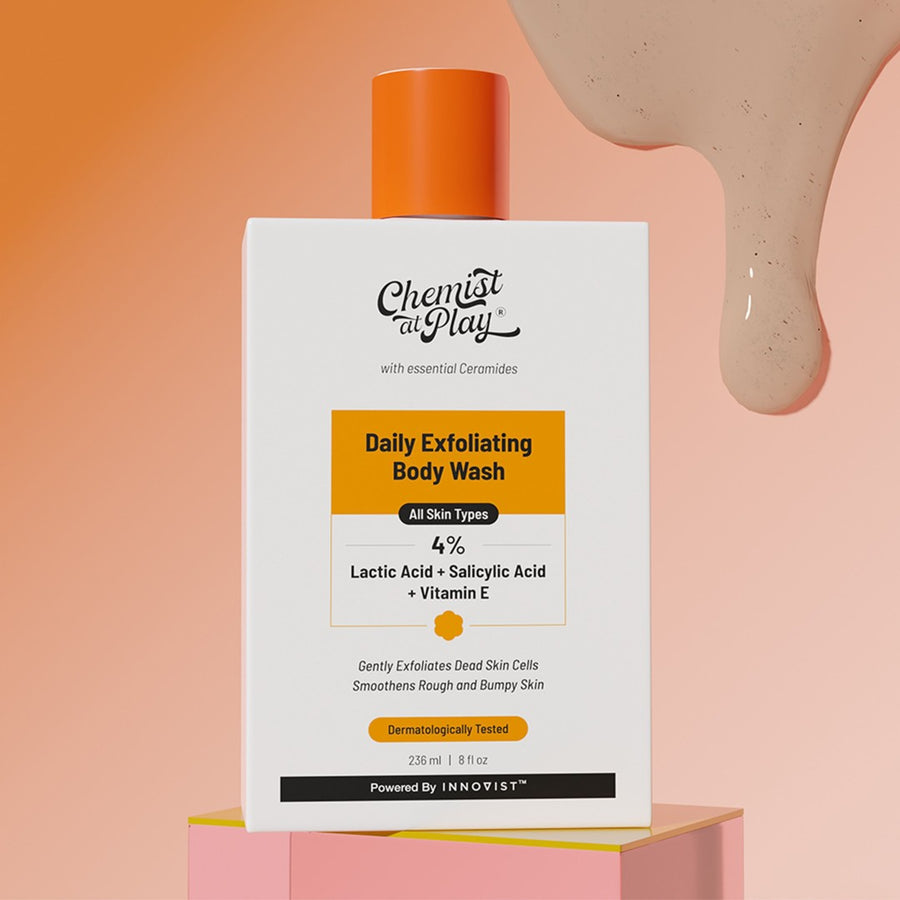
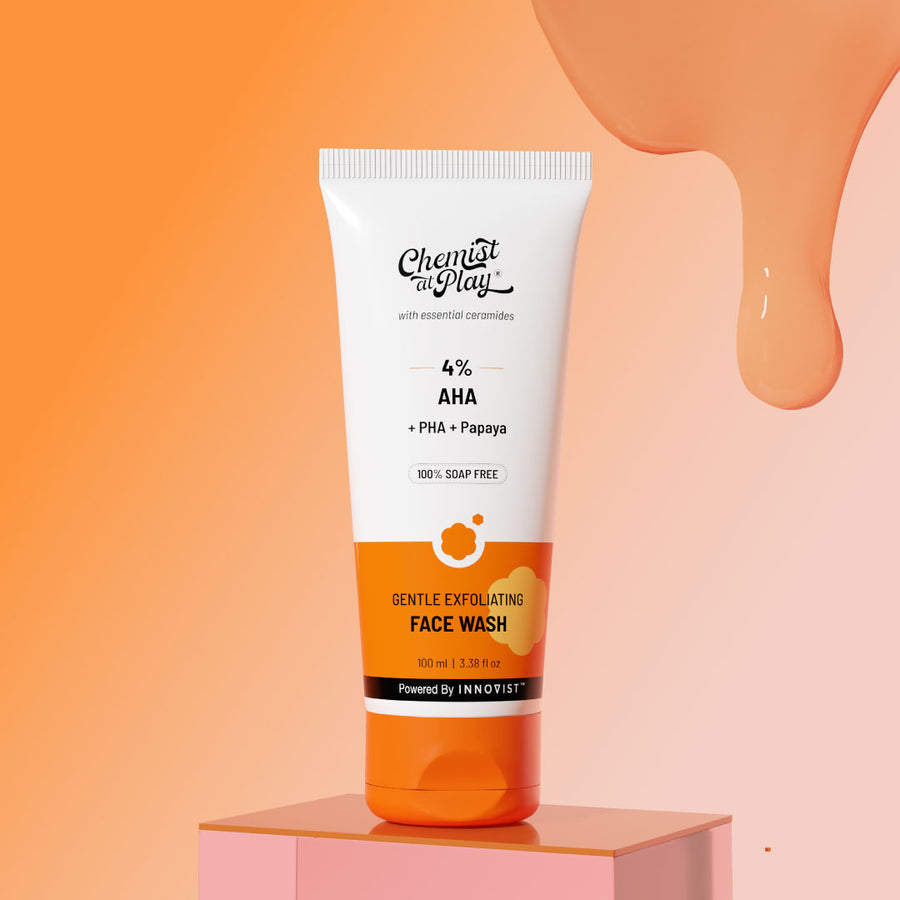
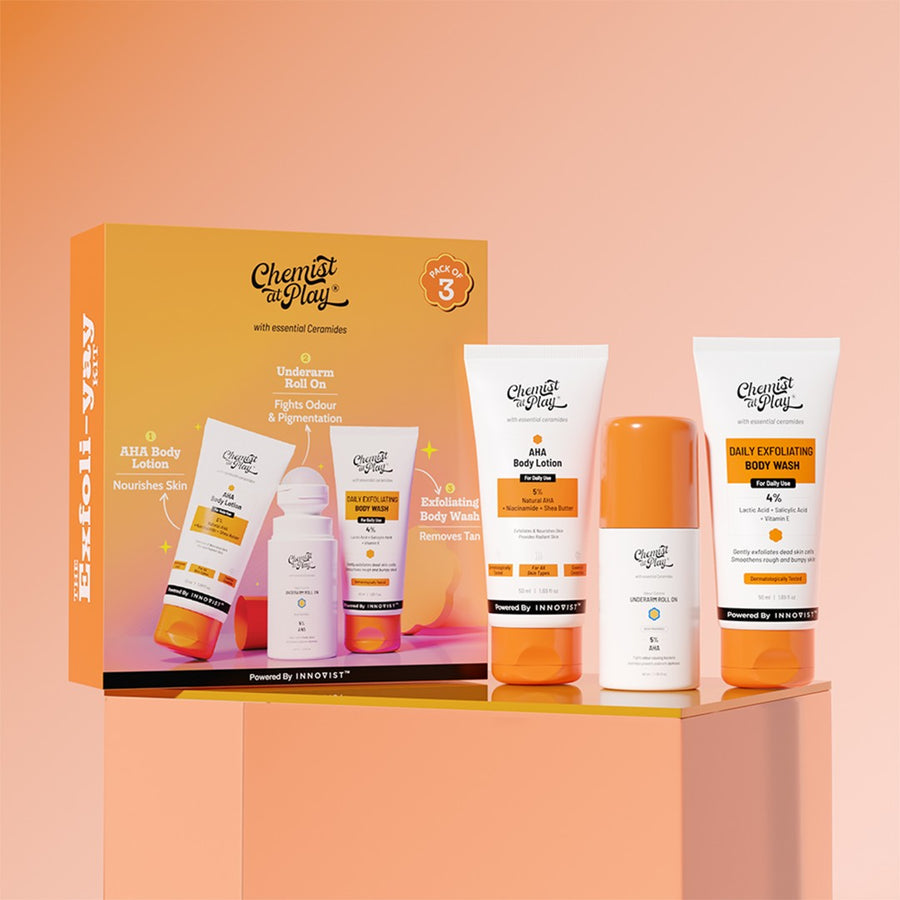
While you look for products to exfoliate your skin, let's look at what's in store for you with Innovist.
Happy exfoliating!

Shop the story


Fenugreek Seeds for Hair Growth & Hair Fall: Benefits, How to Use & Results
Did you know Fenugreek seeds play a vital role in regrowing your hair while preventing hair fall? If not, then you are probably not the only one who was unaware of this fact. Made with the goodness of fenugreek extract, this formula helps strengthen weak roots and prevent unwanted hair...


UV Index Explained: How to Measure Your Daily Sun Risk & Protect Your Skin
When we step out in the sun, most of us only think about temperature or brightness. But the real factor that determines how harmful the sun can be for your skin is the UV Index. Understanding the UV Index helps you know how strong the sun’s ultraviolet radiation is on...


Regrow Your Hair: Top 10 Tips to Regrow Your Hair Naturally
Hair fall, thinning, and slow growth are some of the most searched hair concerns in India. If you’ve been typing “how to regrow hair naturally” or “best way to grow hair faster” into Google lately, you’re not alone. The good news? In many cases, hair regrowth is possible with the...

Guide to the Best Sunscreen for Kids in India
For parents, protecting their child’s delicate skin is a daily concern, and sun safety is at the heart of it. Whether at the playground, swimming pool, or simply walking to school, a child’s exposure to UV rays can lead to sunburn, rashes, and long-term skin problems. You might wonder: What’s...

How to Fix an Oily Scalp Without Drying Out Your Hair?
The main reason for an oily scalp is the excessive production of sebum, a natural oil released by your sebaceous glands on your scalp. This oil is essential for protecting the scalp and keeping hair hydrated. Although sebum is necessary for a healthy scalp, excess levels mixed with sweat can...


