









How To Tighten Face Skin: 5 Tips & Tricks that work like miracles
How to tighten face skin is a common question of every skincare lover. Getting older is inevitable. It's the natural process of life, when people grow older, their skin also weakens. The face skin is the first place to show signs of aging. And as the skin starts aging the body slows down the production of collagen and your face begins to sag and starts to lose its elasticity.
Aging is not just a cosmetic problem, it is also a physiological one. It's not just about your outlook or how you look, it's about what is happening to your skin. You start to see fine lines, wrinkles, and loose skin. One of the signs of aging is the looseness of the skin around the face. Two types of proteins- Elastin and Collagen are super essential to keep your skin looking tight and healthy. And that’s the secret to face tightening that it all comes down to these 2 main elements.
Here are the top 5 tips on how to tighten loose skin on the face which can help reverse the aging process
Causes of Loose Skin

Age is one of the most common causes, as the skin naturally becomes thinner and less elastic as we get older. Other causes of aging include weight loss, pregnancy, and sun damage. Loose or saggy skin can also be a side effect of certain medical conditions and treatments, such as cancer, diabetes, and chemotherapy. And all this depends upon 2 factors - Intrinsic aging or internal aging and Extrinsic aging or external aging.
According to the study, researchers found that skin aging was primarily caused by increasing age and sun exposure among Caucasian or Mongolian tribes. It is estimated that sun exposure affects the progression of skin aging by 80% in the visible areas of the skin.
Intrinsic aging: Intrinsic aging is the natural aging process that occurs over time. With intrinsic aging, our cells and tissues slowly break down. It is the gradual deterioration of the body that is not caused by external factors such as disease, injury, or lifestyle choices. Intrinsic aging is caused by a reduction in elastin and collagen and other structural changes such as loss of fat under the skin.
Extrinsic aging: Extrinsic aging is the aging process that is caused by external factors such as sun exposure, pollution, and smoking. Although extrinsic aging can be accelerated by bad habits, such as smoking and exposure to the sun, it is also affected by good habits, such as using sunscreen and staying hydrated.
How to Make Skin Tighter

Face Yoga to Make Your Face Skin Tighten

If you're looking for a way to tighten your face skin without resorting to surgery, face yoga may be the answer. It involves a series of exercises that help to tone and sculpt the muscles in your face, which can lead to tighter and firmer skin. These exercises can help to improve circulation and increase collagen production, which in turn improves the appearance of wrinkles, fine lines, and sagging skin. Just a few minutes of face yoga each day can make a big difference in the appearance of your skin without any special equipment.
Firming Creams and Lotions to Make Your Face Skin Tighten

Firming or skin tightening serums, creams or opt for best retinol lotion are designed to tighten and tone the skin. Many firming creams and lotions contain active ingredients such as retinoids, alpha hydroxy acids, and vitamin C, which help to boost collagen production and reduce the appearance of wrinkles and fine lines.
Hyaluronic Acid Serum or Cream to Make Your Face Skin Tighten

Hyaluronic acid is a substance that is naturally present in the human body. It is found in the highest concentrations in the joints and skin. As we age, our bodies produce less and less hyaluronic acid, which can lead to the formation of wrinkles and sagging skin.
Topical hyaluronic acid serums and creams can help to replenish the body's supply of this important substance, resulting in tighter, smoother, and more youthful-looking skin. When applied to the skin, it can help to plump up the appearance of fine lines and wrinkles. In addition to its anti-aging benefits, hyaluronic acid is also known to help heal wounds and reduce inflammation. Cleanse your face with salicylic acid cleanser for clean skin and start using this for tighter skin. Also, try this niacinamide body lotion after cleansing the skin which provides radiant skin.
Collagen-based Cream to Make Your Face Skin Tighten
Collagen peptides in a facial cream can help improve your complexion by replenishing the collagen in your skin. Collagen is a structural protein that keeps skin moisturized and elastic. As we age, the collagen in our skin starts to break down and this contributes to sagging as well as wrinkles. Using a facial moisturizer with collagen peptides can help give your skin a more youthful appearance by making it appear more elastic and hydrated.

A study published in Art of Dermatology showed that collagen production decreases by 1% every year after age 21 i.e after maturity. This results in the skin losing firmness and elasticity.
Vitamin C Cream or Serum to Make Your Face Skin Tighten
 Vitamin C serum or cream can help to tighten face skin. This is because vitamin C is an antioxidant that can help to protect the skin from damage. It reduces sun spots, and redness and can also help to boost collagen production, which can help to improve the skin’s elasticity.
L-ascorbic acid, a form of topical vitamin C, was shown to induce collagen types I and III production in humans by administering concentrations between 5 and 15%, according to Art of Dermatology.
Cream or Serum with Glycolic or Lactic Acid to Make Your Face Skin Tighten
Glycolic and lactic acid serums are both alpha hydroxy acids (AHAs) that are commonly used in skincare products for their exfoliating and anti-aging properties. These acids work by dissolving the bonds that hold dead skin cells together, which helps to improve skin texture and tone. Additionally, glycolic and lactic acids can help to stimulate collagen production, which can help to tighten and firm the skin.
Product with Retinol as a Skin-Tightening Ingredient
Retinol is a type of vitamin A and a potent antioxidant that helps to stimulate collagen production, which in turn helps to tighten and firm the skin. It can be used both as a preventative measure to keep skin looking young and fresh or as a treatment for sagging or loose skin.
Non-Surgical Procedures to Make Your Face Skin Tighten
Paul Jarrod Frank, MD, a dermatologist in New York City, mild to moderate laxity is the ideal candidate for these non-surgical skin tightening devices. These procedures are typically performed on patients between the ages of thirty and fifty.
Ultrasound Facial Therapy to Make Your Face Skin Tighten

Ultrasound facial therapy is a non-invasive, safe, and effective way to tighten and lift loose or sagging skin on the face and neck. Ultrasound waves are used to stimulate the production of collagen and elastin, which helps to improve the appearance of wrinkles, fine lines, and sagging skin. Ultrasound facial therapy is also effective in reducing puffiness and dark circles around the eyes. For dark circles, opt for an under eye cream that moisturises and lightens the dark skin under your eyes.
Radiofrequency Facial to Make Your Face Skin Tighten

Radiofrequency facial treatments are becoming increasingly popular as a way to tighten face skin. This non-invasive treatment uses radio frequency energy to heat the skin, which in turn stimulates collagen production. The heat from the radio frequency treatment can also help to break down fat cells, which can result in a more sculpted appearance.
Radiofrequency facials can be performed in a spa or salon setting, and typically take between 30 and 60 minutes. There is no downtime associated with this treatment, so you can immediately resume your normal activities afterward. Some people may experience temporary redness or swelling after the treatment, but this should quickly dissipate.
Laser Resurfacing to Make Your Face Skin Tighten

Laser resurfacing is a popular cosmetic procedure that can help to tighten face skin. The procedure uses a laser to remove the outer layer of skin, which can help to smooth out wrinkles and fine lines. The procedure can be performed on both the face and neck and can be customized to each patient's needs. Recovery from laser resurfacing can take up to two weeks, and patients will need to avoid sun exposure during this time.
Chemical Peels to Make your Face Skin Tighten

Chemical peels are a popular cosmetic procedure to improve the appearance of the skin. They can be used to treat a variety of concerns, including wrinkles, sun damage, and acne. Chemical peels use a chemical solution to work by removing the top layer of skin, which is then replaced by new, healthy skin. There are different types of chemical peels, which vary in terms of strength. A mild peel may be all that is needed to achieve your desired results.
Supplements

Many supplements can help to tighten face skin. Vitamin C is an important nutrient for skin health and can be found in supplements such as rosehip oil or acerola cherry extract. This vitamin is known for its ability to boost collagen production, which can help to improve the elasticity of the skin. Other supplements that can help to improve skin elasticity and firmness include collagen peptides, hyaluronic acid, and Co-Q10. Be sure to consult with a healthcare professional before taking any supplements, and always follow the recommended dosage.
Other Natural Loose Skin Remedies
Oil Massage
Oil massages are an excellent way to tighten face skin as it helps stimulate fibroblasts. By massaging the face with oil, you can help to improve circulation and promote cell turnover. This will help to give the skin a more youthful appearance. Additionally, oil massages can help to diminish the appearance of fine lines and wrinkles. Best massage oils include coconut oil, olive oil, fish oil, almond, and Vitamin E oil. Choose an oil that is suitable for your skin type and massage it into your face in a gentle circular motion.
Include Antioxidant-Rich Foods in Your Diet
Antioxidants work by scavenging free radicals that can damage skin cells, and can help to prevent and repair the signs of aging. Some great antioxidant-rich foods to include in your diet for tighter face skin are berries, dark leafy greens, and nuts. Eat a variety of these foods every day to give your skin the best chance of looking its best.
According to the research report by Nature, skin-aging appears to be less severe in people who consume a healthier diet.
Wear Sunscreen To Minimize Exposure to Sunlight

According to the studies conducted by the Baumann Cosmetic and Research Institute, 80% of facial aging is due to sun exposure.
Wearing sunscreen is one of the best things you can do to tighten your skin. The sun’s ultraviolet rays can damage the collagen in your skin, causing it to sag and wrinkle. Wearing sunscreen protects your skin from these harmful rays and helps to prevent saggy, wrinkled skin.
Use Papaya Skin as a Skin Tightener

Papaya is not only delicious, but it can also help make skin firmer and tighter. Papaya skin is rich in papain, an enzyme that breaks down proteins. This makes it an excellent exfoliant for the face. It also contains vitamins A and C, which are both essential for healthy skin. To use papaya skin to tighten face skin, simply rub the flesh of the fruit onto the skin in a circular motion. Leave it on for 10-15 minutes, then rinse off with warm water.
Quit Smoking to Make Your Face Skin Tighten

Smoking is one of the worst things you can do for your skin. It causes premature aging and wrinkles, and can even lead to skin cancer. If you want to keep your face looking young and fresh, you need to quit smoking. Your skin will start to look better within a few weeks of quitting smoking. You will see a difference in the texture and tone of your skin, and your wrinkles will start to fade. Give your skin the chance to regenerate and repair itself by quitting smoking today.
As we age, our faces tend to sag and lose firmness. This can be a major source of insecurity for some people, especially those who want to look their best at all times. The best way to address loose or sagging skin on the face is to prevent it from occurring in the first place. This is where using a good skincare routine and eating a healthy diet come in. Thankfully, there are many ways you can tighten your face using natural methods and products. We hope this blog post has helped you find some new ways to tighten your face and feel more confident in your skin!

Shop the story


Strawberry Legs: Causes, Treatments & Tips to Prevent Them
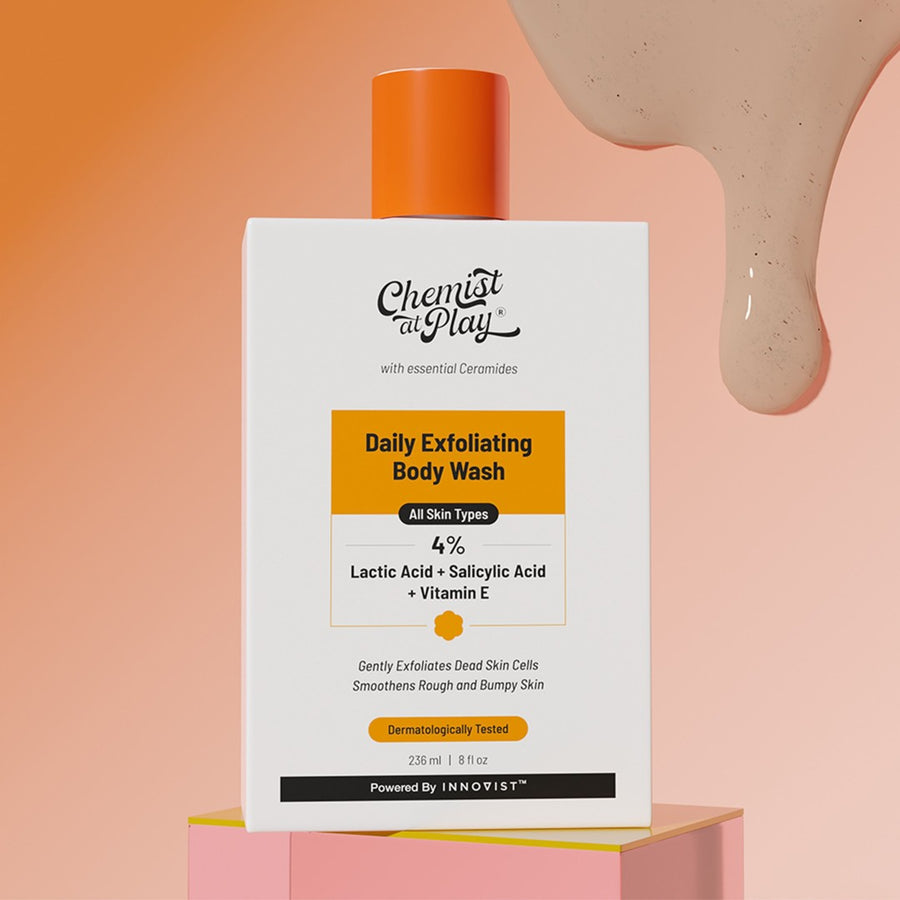
Ever seen small dark spots on your legs that give your skin the appearance of the surface of a strawberry? Yep, that's what most people refer to as strawberry legs or strawberry skin. Don't panic, this condition is extremely common and completely treatable. If you’re wondering how to get rid of strawberry legs or how to make your skin look smooth and clear again, you’re in the right place. This blog breaks down what causes strawberry skin, how to treat it, and real ways to prevent it from coming back—plus some product recommendations that work! What Are Strawberry Legs? Strawberry legs are those dark spots or small dots on your legs that look like the seeds on a strawberry. These dots tend to be open pores or hair follicles plugged with: Dead skin cells Oil or sebum Dirt or bacteria Shaving residue or ingrown hair But wait. Another reason for strawberry skin is folliculitis—a hair follicle inflammation. There are two varieties: Bacterial folliculitis: Bacteria cause it and produce red, pus-filled bumps Fungal folliculitis: Yeast causes it; manifests as itchy, acne-like breakouts Knowing what strawberry skin is can assist in selecting the proper treatment for smoother, bump-free legs. How to Remove Strawberry Legs: 7 Effective Ways Want to know how to get away with stubborn strawberry legs without harsh remedies? Here's what works: 1. Try Salicylic Acid for exfoliation Salicylic Acid is a BHA that goes deeper than regular scrubs—it dissolves oil, clears clogged pores, and reduces inflammation. This makes it super effective against the trapped keratin, dead cells, and ingrown hair that show up as “strawberry legs.” Instead of juggling different products, you can get the same BHA benefits daily with Chemist At Play Exfoliating Body Wash, already powered with Salicylic Acid to gently unclog and smooth your skin. 2. Exfoliate with a Body Scrub (2–3 times/week) Regular exfoliation is key to tackling strawberry legs because it clears out dead skin buildup and unclogged pores that cause those tiny dark spots. It also helps your skin absorb moisturizers better and keeps ingrown hairs in check. For a gentle yet effective option, Chemist At Play Gentle Exfoliating Body Scrub does the job perfectly, powered with brown sugar, coffee, natural AHAs, and ceramides. It buffs away dead skin while locking in moisture, smooths rough patches, reduces tan, and leaves your skin soft and even-toned. 3. Look out for AHAs & Niacinamide-based lotions AHAs gently exfoliate by loosening dead skin cells and unclogging pores, while Niacinamide helps brighten and even out skin tone. Together, they work to smooth rough, bumpy skin and reduce the appearance of dark pores that make legs look like strawberries. If you’re looking for an easy way to include these ingredients in your routine, Chemist At Play AHA Body Lotion is a great option. It hydrates while delivering both exfoliation and skin tone improvement in one step. 4. Shave Correctly Shave with a clean, sharp razor Always shave using a hydrating gel or cream Choose the grain of your choice to shave to prevent ingrown hairs 5. Don't Dry-Shave Dry shaving causes friction and clogged pores. Always get your skin wet and soften the hair before shaving. 6. Change Hair Removal Procedures Opt for waxing or epilators if shaving leads to bumps or ingrown hair. The hair is pulled out from the root by these treatments, minimising follicle clogging. 7. Think About Laser Hair Removal It’s one of the most effective long-term fixes for strawberry legs since it reduces ingrown hairs and dark pores. But let’s be real, it’s also pretty expensive and not always an option for everyone. If it feels heavy on your pocket, you can always switch to our specially designed products for strawberry legs that give you smooth, clear skin without burning a hole in your wallet. Tips to Prevent Strawberry Legs Now that you’ve learned how to treat strawberry skin, here’s how to prevent strawberry legs from showing up again: Exfoliate before shaving Shave with cream or gel, never dry Moisturise post-shave and daily Wear breathable fabrics after hair removal Steer clear of picking ingrown hairs Use clean razors and utensils Apply non-comedogenic lotions and oils Summary Strawberry legs may be widespread, but they're entirely avoidable with the appropriate skincare routine. By applying mild exfoliating products, shaving carefully, and moisturizing your skin, you can easily display your smooth legs. Desire noticeable outcomes? Begin with Chemist At Play's Gentle Exfoliating Body Scrub and Daily Exfoliating Body Wash—they're designed to combat strawberry skin head-on. Shop Now for smoother, bump-free legs! Other Articles You May Enjoy Clearing up strawberry legs is just the beginning of your full-body skincare glow-up. But why stop at smooth legs? If you’re looking to take your body care routine to the next level, check out our other helpful guides. Learn how to eliminate stubborn elbow and knee pigmentation or understand the causes and solutions for mouth pigmentation. Because let’s be honest—smooth, even-toned skin shouldn’t end at the knees!


A Complete Guide to Dandruff Causes, Symptoms & Treatments
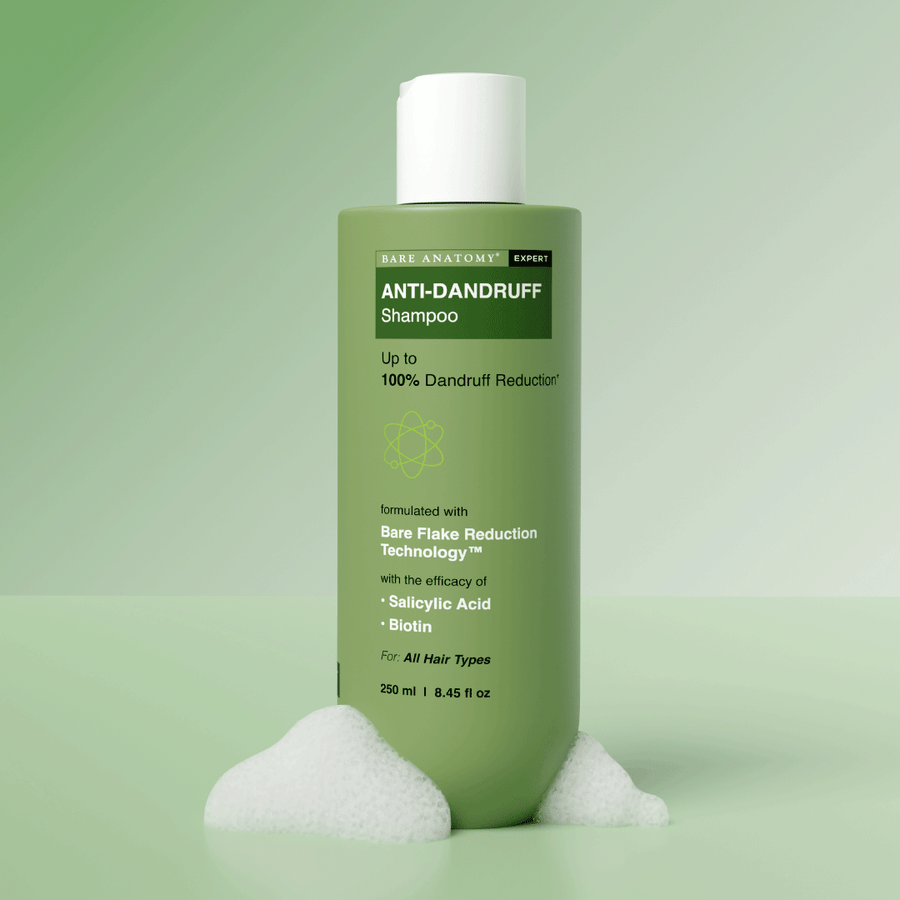
If you're reading this, you probably know more about dandruff than most persistent flakes, an itchy scalp and multiple failed “miracle” treatments. Dandruff isn’t a new issue and neither are the remedies. From home hacks to expensive formulas, the suggestions are endless. But what works for one scalp might not work for another. Some deal with dry dandruff, others with oily scalps or fungal issues. The key to treating dandruff is understanding your scalp and its specific triggers. In this blog, we’ll break down common symptoms and proven treatments to help you find what actually works for your scalp type Dandruff Symptoms Most people think dandruff is just a dry scalp problem that can be fixed by moisturizing the scalp with oils or masks before shampooing to wash away the flakes, but it's a more complicated condition. Here are some common dandruff symptoms: Persistent itchy scalp, often worsening after sweating White or yellow flakes visible on the scalp, hair, or shoulders Greasy or oily roots that show up after shampooing Spots of redness or slight irritation on the scalp Flakes showing up on eyebrows, beard, or behind the ears These signs show that your scalp is responding to something more than dryness, can be an oily environment, fungal growth, inflammation, or product sensitivity. That’s why scalp treatment for dandruff that only tries to moisturize or "dry it out" tends to fall short. It is vital to know the signs and reasons behind dandruff formation to be able to find targeted dandruff treatments that effectively target both the flakes as well as the root causes. What Causes Dandruff? As discussed, dandruff may be caused by various scalp imbalances occurring together. The following are the most frequent triggers that you need to know: Fungal Growth (Malassezia) When scalp hygiene is poor or oil accumulates, the natural fungus Malassezia breeds and degrades sebum into irritating byproducts. This can lead to inflammation, itching, and excessive dandruff. Antifungal actives like Piroctone Olamine or Zinc PCA are commonly used in effective anti-dandruff treatments to control this imbalance. Hard Water & Styling Product Buildup Hard water or excessive use of heavy styling products (such as gels, sprays, and serums) may cause residue buildup to clog your scalp. This blocks up your hair follicles and interferes with your scalp's renewal cycle. This may lead to dullness, itchiness, and flaking over time, requiring targeted dandruff shampoo and scalp detox products to remove the buildup. Over-washing or Under-washing Over-washing your hair removes the natural oils on the scalp, whereas under-washing leads to the buildup of oil and dirt. Both situations disturb the barrier and pH of the scalp, putting it in an aggravated state of flaking. Finding the optimal frequency of shampooing helps maintain the health of the scalp and supports any dandruff treatment. Excess Oil & Sebum Buildup Oily scalp types can harbour dirt, dead skin, and sweat, which provide an ideal breeding ground for flaking and itching. Buildup also nourishes Malassezia, leading to severe dandruff. For oily scalp types, a clarifying scalp treatment is usually required in order to balance sebum levels and restore equilibrium. Stress & Hormonal Fluctuations Chronic stress will cause cortisol levels to spike, influencing your scalp's oil production and immune response. The same effect can be seen from hormonal fluctuations (such as puberty or menstruation), causing an oily or dry scalp. This imbalance usually triggers flare-ups, so your usual dandruff treatments are less effective unless the root cause is addressed. Weather Changes & Seasonal Triggers Cold winters dry out your scalp, making it flaky and itchy, while hot, humid environments cause sweating and oiliness, both of which interfere with your natural scalp balance. Switching your regular shampoo or introducing a soothing scalp treatment for dandruff in your routine can help keep things in balance during seasonal shifts. Home Remedies for Treating Dandruff When you search for dandruff home remedies, you’ll find hundreds of DIY tricks, but not all home remedies work for every scalp. Here are a few that have shown promise in dandruff treatment at home. 1. Diluted Tea Tree Oil Scalp Treatment Tea Tree Oil is perhaps the most extensively researched natural ingredient for dandruff treatment. It contains terpinen-4-ol, a potent compound with antifungal and anti-inflammatory properties that help to stop Malassezia-connected dandruff growth. How to use: Combine 4–5 drops of tea tree oil and a carrier oil (such as coconut or jojoba), massage it onto your scalp, leave for 30 minutes, and then rinse. Use once or twice a week for 2. Aloe Vera Gel (Fresh or Pure Extract) Aloe vera is effective for sunburn, but it also contains natural enzymes and anti-inflammatory properties that can help soothe itchiness and redness on the scalp caused by dandruff. How to use: Apply fresh aloe vera gel on your scalp and leave it on for 30 minutes before washing out with a mild, sulphate-free shampoo. Use 2–3 times a week for anti-dandruff. treatment. 3. Apple Cider Vinegar Rinse Apple Cider Vinegar restores your scalp's pH balance to stop the chances of fungal growth and excess product buildup. Its natural acids act as a gentle exfoliant that can remove flakes without scrubbing. How to use: Mix 1 part ACV with 2 parts water, pour onto the scalp after shampooing. Leave it on for 5 minutes, then rinse thoroughly. Do not use if your scalp is sensitive or has an open wound. You can use Bare Anatomy Anti-Dandruff Conditioner on the lengths to get smoother, flake-free hair. 4. Coconut Oil Coconut oil is rich in lauric acid, an antifungal and moisturising agent. It repairs the scalp barrier and also combats Malassezia overgrowth that is responsible for flakes. How to use: Massage warm coconut oil into your scalp, leave for 1–2 hours, and shampoo with Bare Anatomy Anti-Dandruff Shampoo for extra-long dandruff control. Do this once or twice a week for dandruff treatment. 5. Yoghurt & Honey Mask Yogurt is full of probiotics and lactic acid that keep your scalp microbiome in balance. Honey, on the other hand, is antimicrobial and a natural humectant. It calms irritation and retains scalp moisture for effective dandruff treatment How to use: Mix 2 tbsp plain yoghurt with 1 tbsp honey, apply to the scalp, leave for 20 minutes, and wash with lukewarm water. Use once a week for best results. 6. Bonus Remedy: 100% Pure & Natural Rosemary Essential Oil Rosemary essential oil is most commonly recognized for hair growth, but it's also effective against fungi that cause dandruff. It also helps to enhance blood flow to the scalp, soothe scalp itching and discomfort, and support follicle health. While most people turn to kitchen remedies for dandruff, Pure Rosemary Essential Oil is one natural solution that’s backed by traditional practices and science, yet still underrated when it comes to scalp treatments for dandruff. How to use: Mix 3–5 drops of 100% pure rosemary essential oil with a carrier oil, massage onto your scalp, leave for 30 minutes or overnight, then rinse thoroughly. Conclusion There’s no one-size-fits-all dandruff treatment. What works wonders for one scalp might not do much for another. That’s why it’s important to go beyond just removing flakes and really understand what’s triggering your scalp issues to find the right solution. While home remedies can offer some relief, they should always be approached with awareness. The best option is to choose targeted, science-backed formulations that support your scalp’s natural balance without causing more harm. Also, read our blog on ways to fix an oily scalp to understand how an oily scalp is different from a dandruff-prone scalp.

Rosemary for Hair: Benefits, Types & Ways to Use Rosemary for Hair Growth
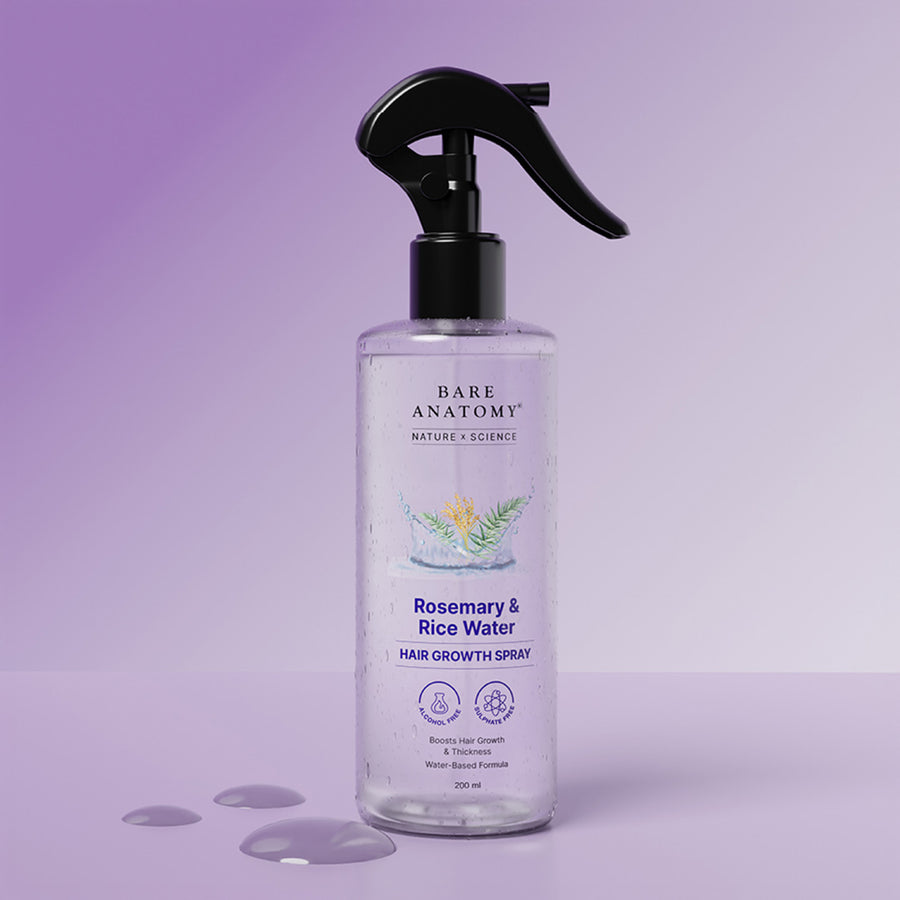
Rosemary for hair has made a serious comeback in recent years and for good reason. It’s one of those rare ingredients that’s been around for centuries, and now, even science is backing up what tradition always supported. From beauty creators to dermatologists, everyone’s talking about how rosemary seems to address almost every hair concern. From hair thinning, breakage, or an irritable, itchy scalp, it has quickly become a go-to for anyone looking to enhance hair health, naturally. That said, not everyone gets it right the first time. Maybe you’ve tried rosemary for hair, but didn’t see any results, or perhaps you found the process of making the final product so messy that you never gave it another go. Well, that’s exactly why we have created this guide. In this blog, we will discuss everything you need to know about using rosemary for hair, plus explain the simplest ways to include rosemary products in your everyday hair care routine. The Science Behind Using Rosemary for Hair Rosemary (Rosmarinus officinalis) ranks among the most tried-and-tested ingredients in hair care history. Once a universal staple in every apothecary workshop, the scented Mediterranean herb was a go-to ingredient in potions and herbal remedies for almost everything. Centuries later, rosemary is still a valued part of many modern products, especially in hair care. This is because research & science indicate that rosemary stimulates blood circulation in the scalp and feeds hair follicles, which helps to make a hospitable environment for healthy hair growth. It is also known to soothe scalp inflammation often caused by dryness, itchiness, dandruff, and slowed growth. Thus, rosemary is the only natural ingredient that benefits both at the root level (scalp health) and also along the length (strand strength). This makes it a perfect remedy for anybody experiencing major hair concerns like thinning, breakage, or weak, lifeless hair. In short, rosemary for hair is not just an old traditional hoax; it’s a science-backed ingredient that gives real, visible results. What Are the Benefits of Rosemary for Hair? Rosemary has several advantages when used for scalp and hair care. Here are some of the best-known benefits of rosemary for hair: Promotes Hair Growth Rosemary for hair growth is one of the most popularly searched terms across the internet. It is said that rosemary enhances blood circulation in the scalp, which can help reactivate dormant hair follicles and promote new hair growth. Thus, using an Advanced Hair Growth Serum that combine rosemary with other science-backed ingredients can help reactivate the growth cycle and promote new hair growth. Reduces Hair Fall & Thinning If you have been finding extra strands on your pillow or shower drain, using rosemary for hair might just be the answer. Rosemary helps in delivering essential nutrients to the hair follicles, which makes the hair healthy & stronger. Not only does it minimise hair fall, but it also increases hair density over time. Control Dandruff and Itchy Scalp The anti-inflammatory and antimicrobial properties of rosemary help in soothing scalp irritation and itchiness. With its balancing effect on sebum production, it prevents the overgrowth of dandruff-causing microbes, thus enhancing overall scalp health. Strengthens Hair Strands Rosemary also benefits your hair length by strengthening the hair shaft and making it more resistant to everyday damage. Regular usage of rosemary-based conditioners or masks can help diminish breakage, brittleness, and split ends, giving your hair a smoother appearance and stronger feel. Delays Premature Greying Although rosemary can't turn back the clock and reverse greying, its strong antioxidant activity can help to slow it down. Regular use of rosemary on hair can reduce oxidative stress and shield hair follicles from external damage, thus delaying premature greying. Advanced anti-grey serum with rosemary also promote general scalp health, preserving natural hair color for a longer period of time. How to Use Rosemary for Hair? There are multiple ways to use rosemary for hair. Whether you like the minimal mess-free yet super effective products or you prefer to make your own DIY solution, here are the most convenient ways to use rosemary: Rosemary Oil Rosemary oil benefits hair by enhancing scalp circulation & promoting faster hair growth. How to use: Massage a few drops of rosemary oil into the scalp and leave it on for at least 30 minutes or overnight before washing. DIY method: Mix dried rosemary in any carrier oil of your choice. For extra benefits, add fenugreek seeds & cloves. Heat it gently, then let it cool and strain. Use 1–2 times a week or as per your need. Ready-to-use: Bare Anatomy Rosemary Oil for Hair Growth is a lightweight, non-sticky formula that can be directly applied to the scalp to stimulate growth in a few weeks. Rosemary Water Rosemary water for hair maintains daily scalp health & also promotes hair smoothness. How to use: Spray on your roots & lengths after showers or whenever your hair needs some extra nourishment. DIY method: Boil fresh rosemary leaves in water. Let it cool down, then strain and store in a spray bottle. Ready to use: Bare Anatomy Rosemary Water Spray is a mess-free and ready-to-use product made with 100% natural rosemary extract. Rosemary Essential Oil Rosemary essential oil for hair has multiple benefits. It helps with hair growth, combats hair fall, and improves scalp health. It is also used for skin, nail, & body care. How to use: Mix 2-3 drops with a carrier oil (like coconut or castor oil). Massage it on the scalp, and leave it on for at least 2 hours before rinsing it off. You can try Bare Anatomy 100% Natural Rosemary Essential Oil, made with premium rosemary leaves using steam distillation for maximum purity. Looking for More Hair care Tips? Check out our blog How to Get Rid of Dandruff on the Scalp Without Drying Out Your Hair

How to Fix an Oily Scalp Without Drying Out Your Hair?
The main reason for an oily scalp is the excessive production of sebum, a natural oil released by your sebaceous glands on your scalp. This oil is essential for protecting the scalp and keeping hair hydrated. Although sebum is necessary for a healthy scalp, excess levels mixed with sweat can cause oily hair that feels greasy, looks limp and is hard to manage. To break this cycle of oil imbalance, switching to a targeted yet gentle hair care routine can help in oily scalp treatment. In this guide, we’ll decode why sebum build-up occurs and share ways to manage an oily scalp, without drying out your hair. Understanding the Sebum & Scalp Connection The scalp is an extension of your skin, and like facial skin, it has sebaceous glands that make sebum, a natural oil to moisturize and protect the scalp and hair shaft. This protective natural oil creates a film on the scalp and along the hair shaft, retaining moisture and protecting against environmental damage. However, when sebum production is more than your scalp requires, it may combine with sweat, dirt, and dead skin cells, leading to clogged follicles causing an oily scalp and oily hair. The sebum composition may differ between individuals depending on age, diet, and skin health. This affects how oily your hair feels on a day-to-day basis. Thus, it’s important to identify the underlying triggers that may cause sebum buildup on the scalp, so that you can select a product that meets your oily hair treatment needs. What Triggers Sebum Overproduction? Various internal and external influences can send your sebaceous glands into overdrive. Understanding these can help manage an oily scalp and prevent oily and greasy hair. Here are some common yet often overlooked triggers: Hormonal fluctuations Thyroid function & androgen changes, particularly during puberty, menstruation, pregnancy, or PCOS, can alert your body to secrete more sebum. This hormonal change is the most prevalent cause of having an oily scalp, particularly in women between their 20s & 40s. Genetic predisposition Your genes may naturally influence how much sebum your scalp produces. If oily skin or oily hair runs in your family, you’re likely to inherit the same scalp tendencies. Studies suggest that nearly 50% of sebum output variability is genetically determined. Humidity and weather Oily scalps get worse in warm, humid climates. High temperatures cause more sweating, which combines with excess sebum, trapping dirt and clogging follicles. This residue makes your oily scalp sticky and hair greasy, even within a few hours of washing. Over-washing & harsh shampoos Regular washing of your hair, particularly with sulphate-based shampoo, dries out the oils on the scalp. This has a rebound effect, whereby your glands produce more sebum to make up for the lost oil, forming a dryness-oiliness cycle. Product buildup & poor scalp hygiene Excessive use of heavy conditioners, styling creams, or oils can clog pores on your scalp. When all these products combine with sebum, sweat, and dead skin cells, they create a sticky layer that suffocates the scalp, leading to persistent oily hair and dullness. Unbalanced diet and lifestyle High-sugar, high-fat diets and lack of quality sleep can trigger inflammation and hormonal imbalance, both of which affect sebum production. Even chronic stress has been found to increase cortisol levels, indirectly leading to oiliness and flakiness on the scalp. Medical conditions Underlying conditions such as seborrheic dermatitis, fungal infection of the scalp, or hormonal imbalances (such as hypothyroidism or PCOS) may result in excessive sebum production. These conditions tend to require both external treatment and internal medical support for long-term improvement. How to Manage Excess Sebum Without Over-Drying the Scalp? Fixing an oily scalp doesn't mean stripping away all its natural oils. Doing so will send your scalp into overdrive and produce even more sebum to compensate for the loss. The trick is to balance your scalp's oil levels, without disturbing its natural barrier. Here's how: Use a Sulphate-Free Shampoo Traditional clarifying shampoos often contain harsh sulphates that dry out both the scalp and hair. Instead, choose a sulphate-free shampoo specifically formulated for oily scalps. Look for ingredients like Salicylic Acid to gently exfoliate scalp buildup & unclog pores, Tea Tree to purify and soothe the scalp, and Hyaluronic Acid or Pentavitin to maintain root-to-tip hydration. Bare Anatomy’s Oil Control Shampoo uses a science-backed blend of actives to reduce excess oil up to 100% without drying out your lengths. It’s suitable for both men & women, helps balance scalp pH, and is the ideal shampoo for oily scalp and dry hair. Space Out Your Wash Days Thoughtfully While excessive washing deprives your scalp of its oil, leaving the scalp unwashed for long exposes it to dirt, sebum, and product buildup. If your scalp frequently becomes greasy, try shampooing 2–3 times per week using a balancing shampoo that removes oils & impurities while keeping the ends hydrated. Avoid Heavy Conditioners on the Roots Conditioners are essential for moisturising dry lengths, but applying them too close to your roots can weigh down your hair and worsen oiliness. Stick to applying conditioner from mid-length to ends only, and opt for lightweight, silicone-free formulas when possible. Exfoliate Your Scalp Weekly Just as your skin, your scalp also needs regular exfoliation to remove dead skin cells, oil residue, and buildup. Treat it with Bare Anatomy Scalp Scrub, which blends physical exfoliants with natural AHAs to thoroughly cleanse the scalp. Use it once a week to keep follicles open and enhance product penetration, promoting a nourishing environment for overall hair health. Rinse with Lukewarm Water Washing your hair with hot water is likely to overstimulate oil glands and dry your scalp. Instead, use lukewarm or cold water to assist in balancing your scalp's moisture levels and minimizing frizz. Reevaluate Your Diet and Stress Levels Processed fat, sugar, or dairy diets can affect your body's oil production, as may chronic stress & hormonal imbalances. Consuming antioxidant-rich foods and managing stress through rest or mindfulness can help better control sebum internally. What’s the Difference between Normal Oily Scalp vs. Oily Scalp with Dandruff? It’s easy to confuse an oily scalp with dandruff, but they aren’t always the same thing. Understanding the difference can help you choose the right solution. Feature Oily Scalp Oily Scalp with Dandruff Appearance Hair gets greasy fast and feels flat Greasy roots plus visible flakes Scalp Symptoms May feel heavy but not always itchy or flaky Often itchy, red, or irritated with noticeable flaking Cause Overactive oil glands Excess sebum + Malassezia (fungal growth) Treatment Need Gentle Oil-balancing Anti-fungal scalp-soothing Recommended Shampoo Type Bare Anatomy Oil Control Shampoo Bare Anatomy Anti-Dandruff Shampoo If you're not sure which group you fall into, keep an eye out for symptoms such as itching and ongoing flaking. A regular regimen with scalp-balancing actives can help manage both concerns over time. Final Thoughts The secret to controlling an oily scalp is selecting the proper hair care routine. Rather than over-washing or getting harsh chemicals that rob your scalp, switch to gentle products that tackle oil without interfering with your scalp's natural barrier. Simple adjustments to your routine, such as washing less frequently, clarifying once a week, and selecting products with the proper ingredients, can give you fresher, healthier-looking hair. Remember, it's not about removing sebum entirely, but about gently nourishing your scalp's natural rhythm.


