






In Vivo vs In Vitro Testing in Sunscreens: A Clear Guide
If you’ve started paying closer attention to sunscreen labels lately, you may have noticed something interesting. Along with SPF numbers and PA ratings, brands are now mentioning in vivo or in vitro testing.
At first glance, these terms sound overly scientific. But once you understand what they mean, they can actually help you make a smarter sunscreen choice especially in a country like India, where UV exposure is high almost all year round.
So what’s the real difference between in vivo and in vitro testing, and does one matter more than the other? Let’s break it down without the lab-coat language.
Why Sunscreen Testing Is a Big Deal (Especially in India)
In Indian conditions, sunscreen doesn’t just sit pretty on the skin. It deals with:
-
Heat and humidity
-
Sweat and oil production
-
Frequent outdoor exposure
-
Layering with makeup or skincare
Testing methods are meant to answer one simple question:
Does the sunscreen protect your skin the way it claims to, in real usage?
That’s where in vivo and in vitro testing come into the picture.
What Exactly Is In Vivo Testing?
In vivo testing means the sunscreen is tested on human skin.
What happens during in vivo testing?
A controlled amount of sunscreen is applied to volunteers, and their skin is exposed to measured UV light. Scientists then calculate how much UV radiation actually reaches the skin.
Why is this method considered reliable?
-
It reflects how sunscreen behaves on real skin
-
Accounts for absorption, texture, and skin interaction
-
Helps validate SPF claims more realistically
Because of this, in vivo testing is often preferred for face sunscreens, where concerns like pigmentation, sensitivity and redness are more prominent.
What Is In Vitro Testing?
In vitro testing, on the other hand, happens in a laboratory.
How it works?
The sunscreen is applied on a special testing surface that mimics skin. UV light is passed through it, and instruments measure how much radiation is blocked.
Why brands still use it?
-
Faster and more consistent
-
No human exposure involved
-
Works well for higher SPF formulations
This method is commonly used for body sunscreens, spray formats, and products designed for frequent reapplication.
In Vivo vs In Vitro: Quick Comparison
| Feature | In Vivo Testing | In Vitro Testing |
|---|---|---|
| Tested on | Human skin | Lab plates |
| Real-life performance | High | Simulated |
| SPF accuracy | Very high | High |
| Best for | Face, sensitive skin | Body, sprays |
| Ethical concerns | Requires volunteers | No human testing |
The key takeaway? Both methods are valid. The right one depends on how and where you use your sunscreen.
Which Testing Method Should You Choose?
Here’s the honest answer: you don’t have to choose one over the other.
-
Use in vivo tested sunscreens for your face and daily skincare routine
-
Use in vitro tested sunscreens for your body, travel, sports and reapplication

A well-rounded sun protection routine can easily include both.
Final Word: Science That Makes Sense
Sunscreen testing doesn’t need to be confusing. In vivo and in vitro testing are not rivals, they’re teammates working towards safer, better sun protection.
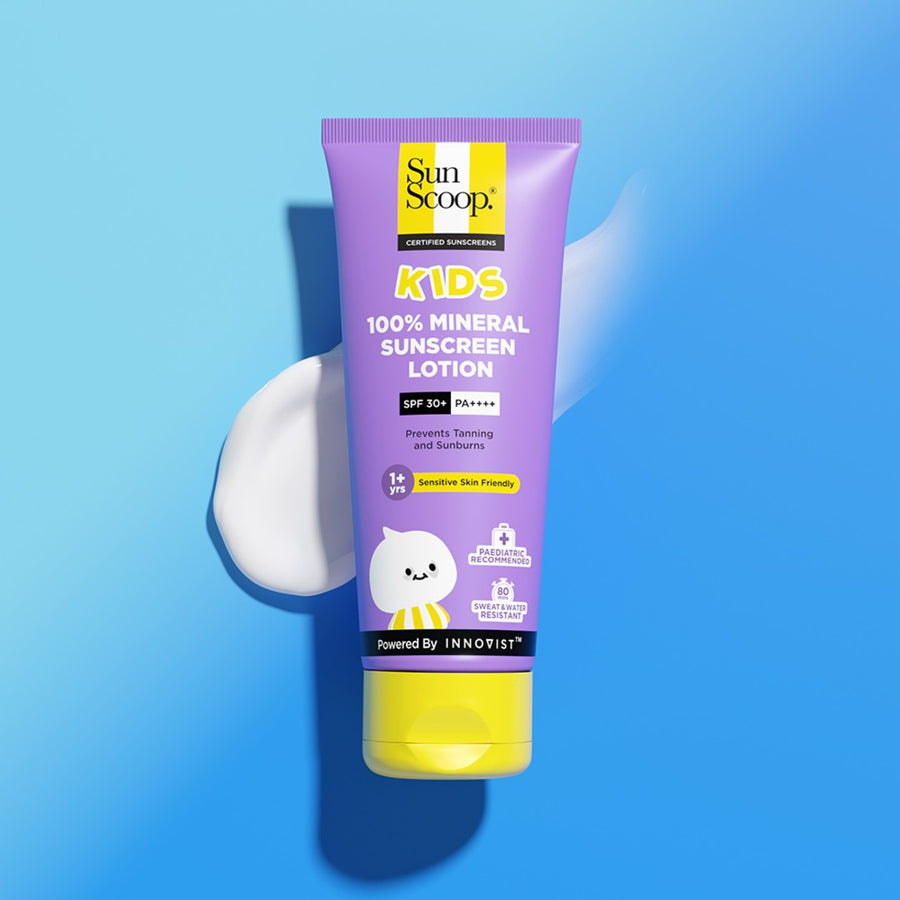
With brands like Innovist bringing science-backed clarity through Sunscoop, choosing the right sunscreen becomes easier, smarter and way more skin-friendly.
Because at the end of the day, the best sunscreen is the one you actually enjoy wearing every single day.

Shop the story




Fenugreek Seeds for Hair Growth & Hair Fall: Benefits, How to Use & Results
Did you know Fenugreek seeds play a vital role in regrowing your hair while preventing hair fall? If not, then you are probably not the only one who was unaware of this fact. Made with the goodness of fenugreek extract, this formula helps strengthen weak roots and prevent unwanted hair...


UV Index Explained: How to Measure Your Daily Sun Risk & Protect Your Skin
When we step out in the sun, most of us only think about temperature or brightness. But the real factor that determines how harmful the sun can be for your skin is the UV Index. Understanding the UV Index helps you know how strong the sun’s ultraviolet radiation is on...


Regrow Your Hair: Top 10 Tips to Regrow Your Hair Naturally
Hair fall, thinning, and slow growth are some of the most searched hair concerns in India. If you’ve been typing “how to regrow hair naturally” or “best way to grow hair faster” into Google lately, you’re not alone. The good news? In many cases, hair regrowth is possible with the...

Guide to the Best Sunscreen for Kids in India
For parents, protecting their child’s delicate skin is a daily concern, and sun safety is at the heart of it. Whether at the playground, swimming pool, or simply walking to school, a child’s exposure to UV rays can lead to sunburn, rashes, and long-term skin problems. You might wonder: What’s...


