






Itchy Skin After Bathing: Causes, Remedies & Best Skincare Tips
Experiencing itchy skin after bathing is more common than you may think. Many people notice dryness, tightness, irritation, or itching immediately after a shower, especially during colder weather or after using hot water.
In most cases, this happens because bathing can weaken the skin barrier and increase moisture loss from the skin. This process, known as transepidermal water loss (TEWL), can leave the skin feeling dry, uncomfortable, and itchy.
The good news is that itchy skin after bathing can usually be managed with the right shower habits and skincare routine. Let’s understand the common causes, symptoms, remedies, and the best skincare tips to help keep your skin healthy and comfortable.
Why Does Your Skin Itch After Bathing?
Body itching after a bath is normal; this typically occurs when the skin loses moisture during washing. This condition is common and can happen anytime after a shower or bath.
Here are common reasons why you may feel itching right after taking a bath:
Hot water exposure
Taking a very hot shower can strip away the natural moisture from the body and skin, which leaves it dry and patchy.
Harsh soaps or body wash
Strong body washes with sulphates or fragrance can irritate your sensitive skin.
Hard water effects
Areas with hard water can also be the reason for itching. As such, water contains calcium and magnesium, which leave residue on the skin.
Excessive scrubbing
Even if the water is not the main reason, scrubbing the body after bathing with a towel can cause skin irritation after the bath.
What are the symptoms associated with itching after bathing?
If your body itches after bathing or your skin feels dry, there might be high chance you can feel symptoms such as:
-
Redness
-
Flaky skin
-
Tightness
-
Small itchy bumps
-
Burning or stinging sensation
How to stop itching after bathing?
People dealing with body itching after taking a bath can manage this problem effectively if they follow simple and important steps
-
As step one, try using lukewarm water instead of extremely hot water. As hot water may damage the skin’s lipid barrier, it leads to moisture loss. Lukewarm water protects natural oils and reduces dryness naturally
-
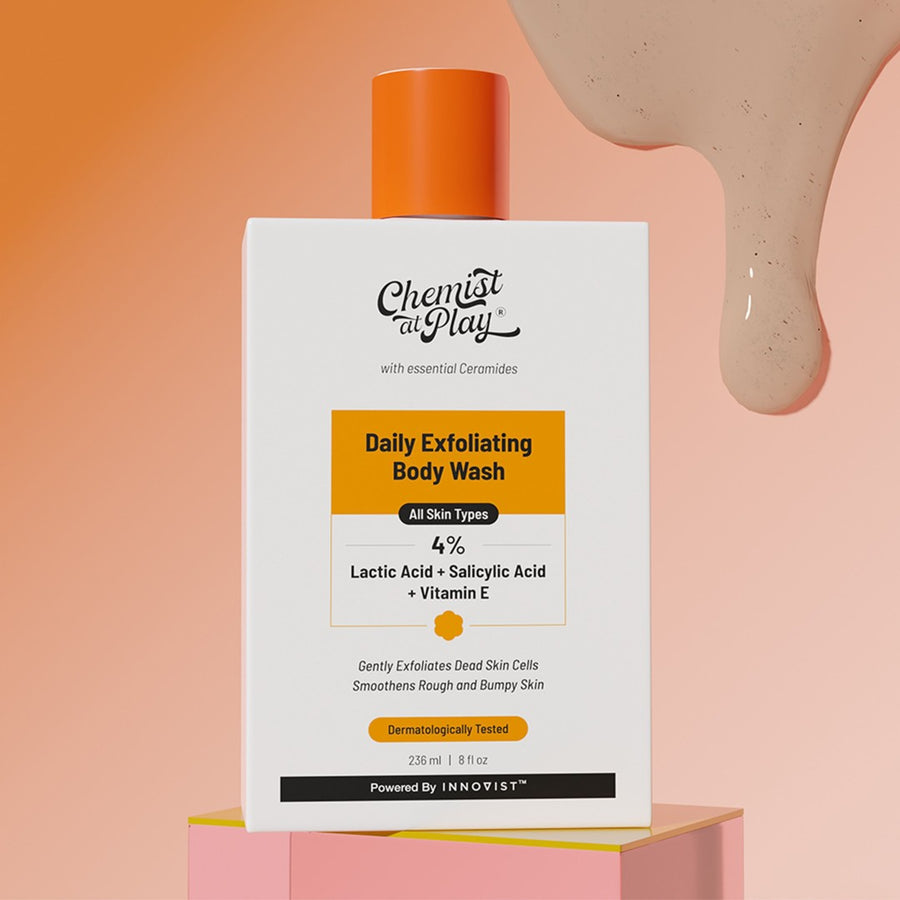
As step two, switch to a gentle Exfoliating body wash that can deeply nourish the skin, as harsh soaps can disrupt the pH level, which leads to dryness and irritation
-
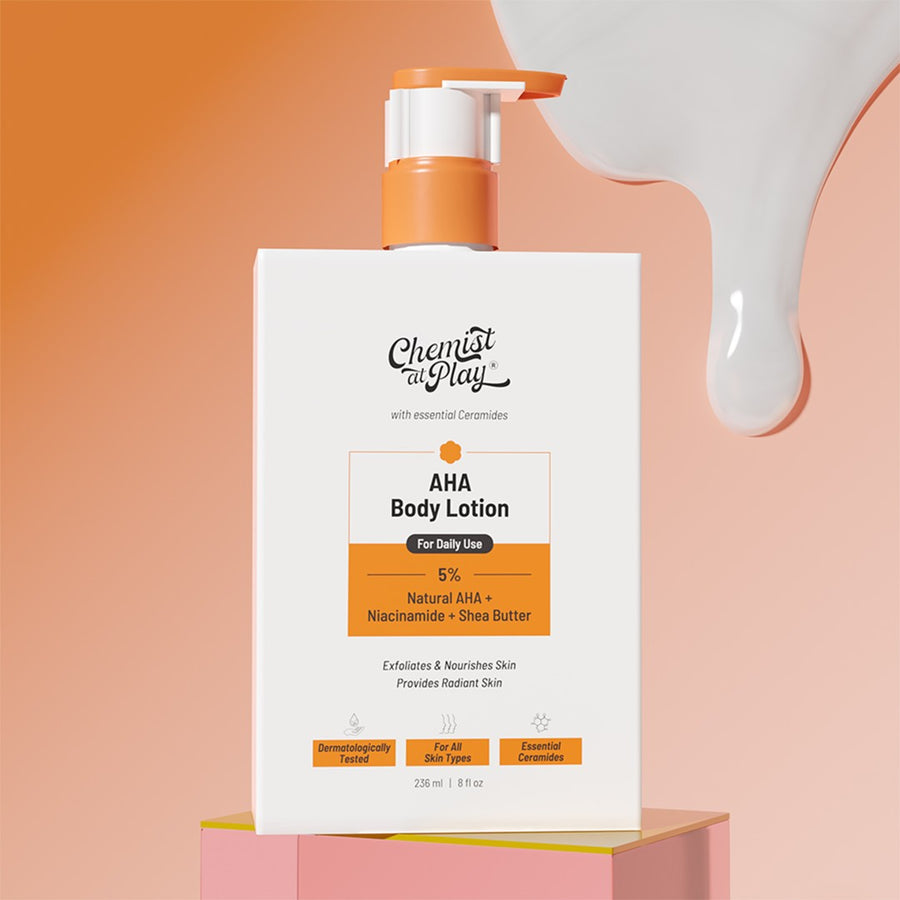
After a bath, moisturise the skin quickly, as this helps lock in the moisture and reduce dryness. This is one of the most important steps, as you can keep your skin fresh and nourished. The Chemist At Play 5% AHA Body Lotion with Niacinamide & Shea Butter helps support smoother and hydrated skin while improving rough texture.
-
As step four, pat dry your skin instead of rubbing with a towel, as this creates friction and removes moisture. Gentle patting of the dry skin can help maintain the hydration and reduce irritation
Skincare tips to follow to get rid of itching after a bath
To stop itching after bathing, follow this simple skincare routine:
-
Use a light moisturizer or body lotion to avoid itching. Apply it after 3 to 5 minutes
-
Switch to gentle products: Use fragrance-free body wash or sensitive skin cleansers. As scented products can take away the natural oil
-
Consider a shower filter: if you live in an area with a hard water supply, you can install a shower filter to remove dust or unwanted allergies caused by hard water
When Should You See a Dermatologist?
Occasional itching after bathing is common, but persistent or severe itching may need medical attention.
Consult a dermatologist if you experience:
- Severe redness or swelling
- Cracked or bleeding skin
- Intense itching that does not improve
- Rashes or infections
- Persistent discomfort despite moisturization

Shop the story



Fenugreek Seeds for Hair Growth & Hair Fall: Benefits, How to Use & Results
Did you know Fenugreek seeds play a vital role in regrowing your hair while preventing hair fall? If not, then you are probably not the only one who was unaware of this fact. Made with the goodness of fenugreek extract, this formula helps strengthen weak roots and prevent unwanted hair...


UV Index Explained: How to Measure Your Daily Sun Risk & Protect Your Skin
When we step out in the sun, most of us only think about temperature or brightness. But the real factor that determines how harmful the sun can be for your skin is the UV Index. Understanding the UV Index helps you know how strong the sun’s ultraviolet radiation is on...


Regrow Your Hair: Top 10 Tips to Regrow Your Hair Naturally
Hair fall, thinning, and slow growth are some of the most searched hair concerns in India. If you’ve been typing “how to regrow hair naturally” or “best way to grow hair faster” into Google lately, you’re not alone. The good news? In many cases, hair regrowth is possible with the...

Guide to the Best Sunscreen for Kids in India
For parents, protecting their child’s delicate skin is a daily concern, and sun safety is at the heart of it. Whether at the playground, swimming pool, or simply walking to school, a child’s exposure to UV rays can lead to sunburn, rashes, and long-term skin problems. You might wonder: What’s...


