






Keratosis Pilaris Causes and Treatments: A Simple Guide
If you have ever noticed tiny rough bumps on your arms, thighs, or cheeks that look like permanent goosebumps, you are not alone. That texture is usually keratosis pilaris. It is harmless, but it can be annoying. The good news is that you can manage it at home with the right habits and products.
What Is Keratosis Pilaris?
Keratosis pilaris, often called "chicken skin" or "strawberry skin," is a common skin condition. It happens when a protein called keratin builds up and blocks hair follicles. This creates small rough bumps that can look red, brown, or skin-colored depending on your tone.
It most often shows up on the upper arms, thighs, buttocks, and sometimes the face. It is not contagious and it does not hurt. For most people, the main issue is how it looks and feels.
What Causes It?
Doctors do not know the exact cause, but several factors play a role:
- Genetics. It often runs in families. If your parents had it, you are more likely to get it too.
- Dry skin. People with dry skin tend to develop keratosis pilaris more easily. Winter weather usually makes it worse.
- Keratin overproduction. Your skin makes too much keratin, which clogs the openings of hair follicles.
- Age. It is very common in children and teenagers, though many adults have it too.
- Other skin conditions. People with eczema or very dry skin are more prone to it.
Who Gets Keratosis Pilaris?
Anyone can have it, but it is most common in children and teens. It affects both men and women equally. If you have a history of eczema, asthma, or very dry skin, your chances are higher. For some people, it fades with age. For others, it sticks around and needs regular care.
How to Treat It at Home
There is no permanent cure, but a consistent routine can smooth the texture and make the bumps far less noticeable. Here is what works.
1. Use an Exfoliating Body Wash in the Shower
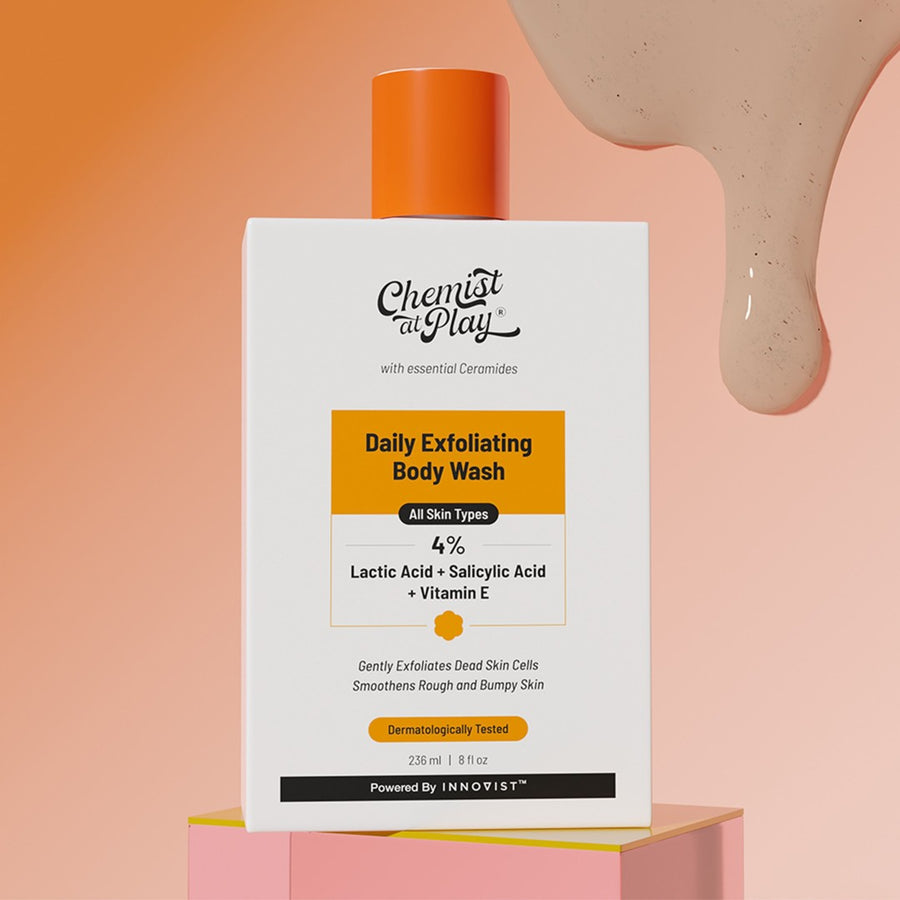
Physical scrubs with rough granules can irritate keratosis pilaris and make redness worse. Instead, look for body washes with chemical exfoliants like lactic acid or salicylic acid such as the Chemist at Play Exfoliating Body Wash. These ingredients dissolve the buildup gently without scratching the skin.
A body wash with lactic acid helps loosen dead skin cells, while salicylic acid dives into pores and clears the blockage from inside. Using it a few times a week in the shower can slowly soften the bumps and even out texture.

2. Moisturize With an AHA Lotion
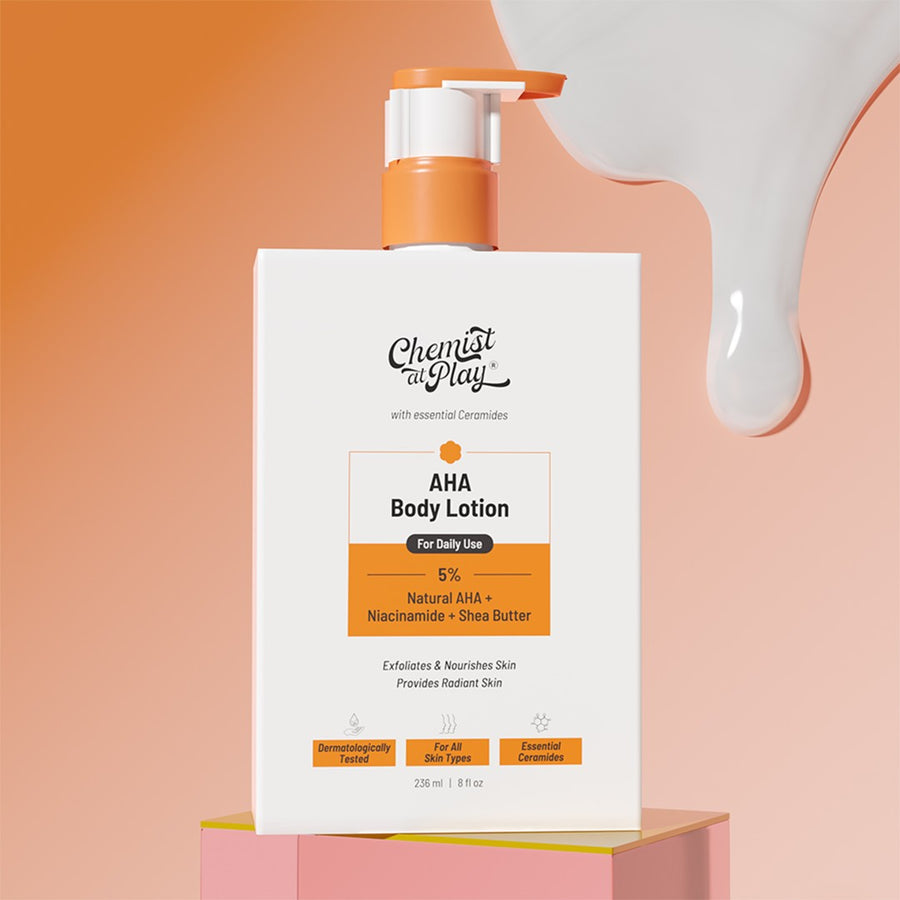
After exfoliating, your skin needs hydration. A body lotion that contains AHAs does two jobs at once such as the Chemist At Play AHA Body Lotion. It moisturizes and continues the gentle exfoliation throughout the day. Ingredients like glycolic acid and lactic acid help keep follicles clear, while niacinamide and shea butter calm and soften the skin.
Apply the lotion right after your shower when your skin is still slightly damp. This locks in moisture better.

3. Avoid Very Hot Showers
Hot water strips natural oils and dries out skin. Lukewarm water is a better choice. Also, pat your skin dry with a towel instead of rubbing.
4. Be Patient
Keratosis pilaris does not disappear overnight. Most people see real improvement after four to eight weeks of consistent care. Stick with the routine even if results feel slow at first.
5. Do Not Pick at the Bumps
Squeezing or scratching the bumps can lead to scarring and dark spots. Let the exfoliants do the work instead.
When to See a Dermatologist
If your skin is very red, inflamed, or the bumps are painful, visit a dermatologist. They may suggest stronger prescription creams like retinoids or urea-based treatments. But for most mild cases, a good at-home routine is enough.
A Simple Routine That Works
If you want a clear plan, try this:
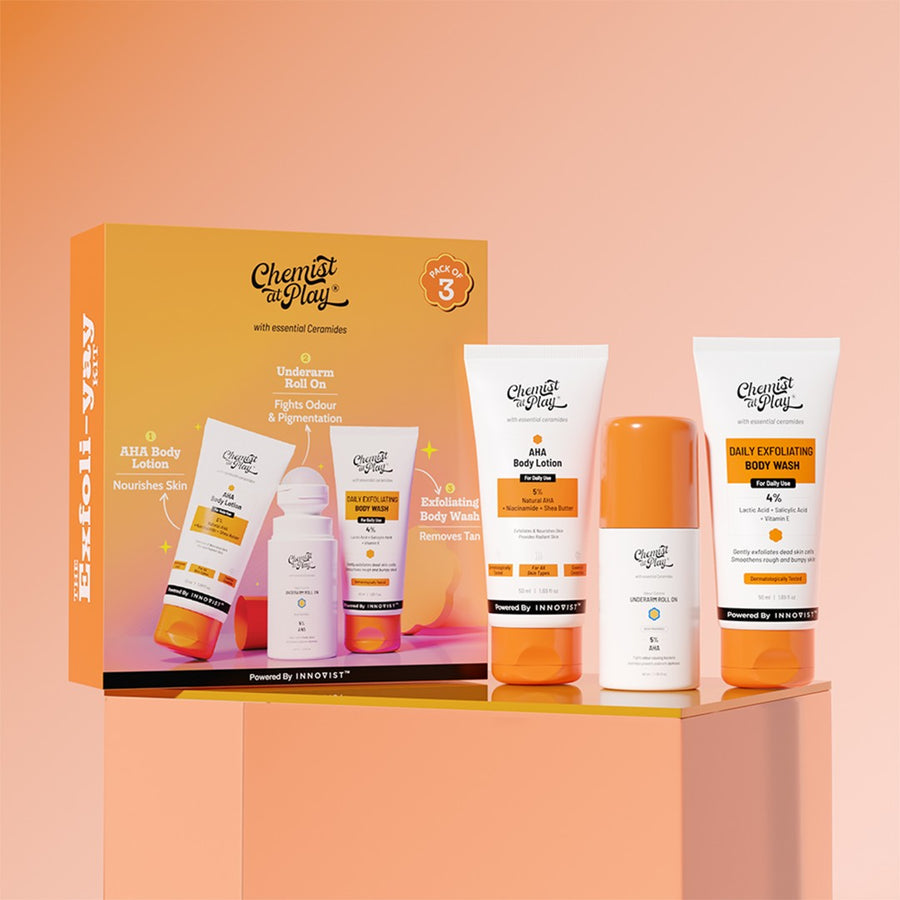
- In the shower, use a gentle chemical exfoliating body wash three to four times a week.
- Every single day, apply an AHA body lotion after bathing.
- Keep showers short and use lukewarm water.
- Moisturize again before bed if your skin feels tight.

Shop the story



Fenugreek Seeds for Hair Growth & Hair Fall: Benefits, How to Use & Results
Did you know Fenugreek seeds play a vital role in regrowing your hair while preventing hair fall? If not, then you are probably not the only one who was unaware of this fact. Made with the goodness of fenugreek extract, this formula helps strengthen weak roots and prevent unwanted hair...


UV Index Explained: How to Measure Your Daily Sun Risk & Protect Your Skin
When we step out in the sun, most of us only think about temperature or brightness. But the real factor that determines how harmful the sun can be for your skin is the UV Index. Understanding the UV Index helps you know how strong the sun’s ultraviolet radiation is on...


Regrow Your Hair: Top 10 Tips to Regrow Your Hair Naturally
Hair fall, thinning, and slow growth are some of the most searched hair concerns in India. If you’ve been typing “how to regrow hair naturally” or “best way to grow hair faster” into Google lately, you’re not alone. The good news? In many cases, hair regrowth is possible with the...

Guide to the Best Sunscreen for Kids in India
For parents, protecting their child’s delicate skin is a daily concern, and sun safety is at the heart of it. Whether at the playground, swimming pool, or simply walking to school, a child’s exposure to UV rays can lead to sunburn, rashes, and long-term skin problems. You might wonder: What’s...

How to Fix an Oily Scalp Without Drying Out Your Hair?
The main reason for an oily scalp is the excessive production of sebum, a natural oil released by your sebaceous glands on your scalp. This oil is essential for protecting the scalp and keeping hair hydrated. Although sebum is necessary for a healthy scalp, excess levels mixed with sweat can...


