






Should I Wash My Hair Every Day? A Doctor’s Perspective
“How often should I wash my hair?” is one of the most common questions doctors hear in clinics.
Some people believe washing hair daily causes hair fall, while others worry that not washing often enough damages the scalp. With so much conflicting advice, it’s easy to feel confused—especially in Indian weather conditions.
From a medical perspective, the answer is simple:
Hair wash frequency depends on your scalp type, lifestyle, climate, and age not on rigid rules.
Let’s break this down scientifically, in a way that actually works for Indian hair and daily life.
Why Do We Wash Our Hair at All?
Hair washing is primarily about scalp hygiene, not hair length—something most people don’t realise.
Your scalp naturally produces:
-
Sebum (oil)
-
Sweat
-
Dead skin cells
In India, this build-up is further increased by heat, humidity, pollution, and long commutes. If not cleansed regularly, it can lead to:
-
Greasy, limp hair
-
Itching and discomfort
-
Dandruff and flakes
-
Blocked hair follicles
Shampooing removes this build-up and helps maintain a healthy scalp environment.
Is Washing Hair Every Day Bad?
Medically speaking:
-
Daily washing is not harmful by default
-
Problems arise when the wrong shampoo is used for the wrong scalp type
Most issues blamed on “over-washing” are actually caused by:
-
Harsh, sulphate-heavy shampoos
-
A weakened scalp barrier
-
Ignoring individual scalp needs
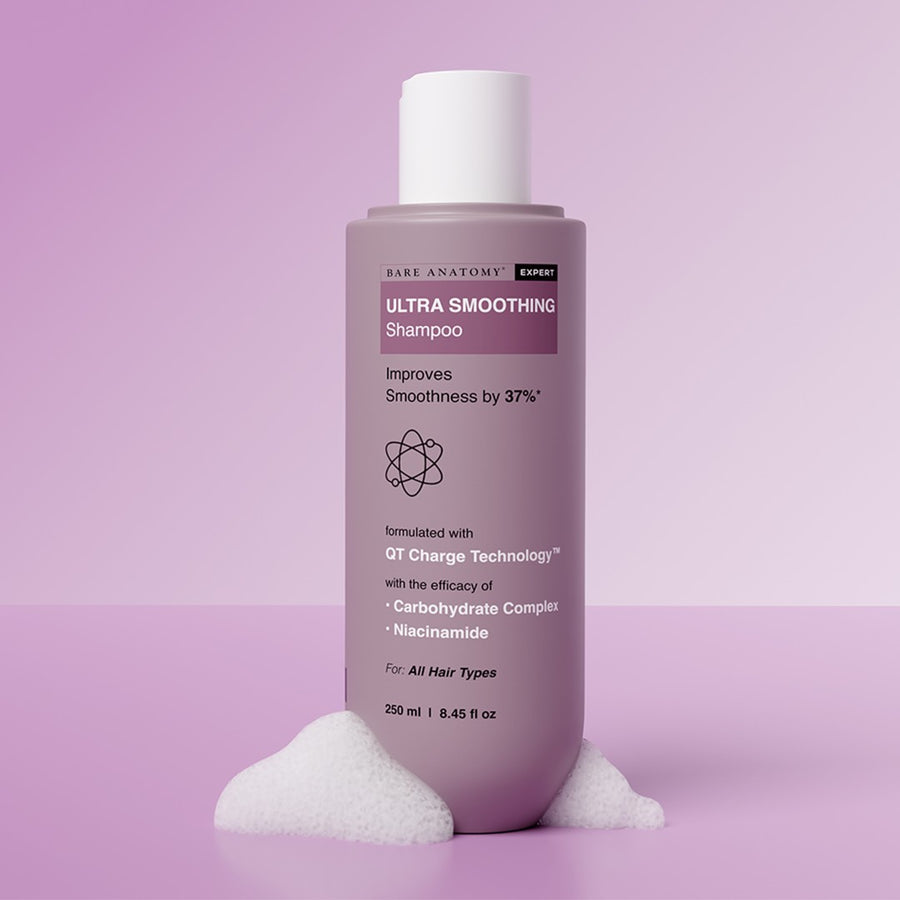
For people who need frequent washing, choosing a gentle, sulphate-free cleanser is crucial. Mild daily-use shampoos like Bare Anatomy Anti Dandruff Shampoo help clean the scalp without stripping natural oils, making regular washing far safer.
How Hair Washing Needs Change With Age
Children (Below 10 Years)
-
Produce very little scalp oil
-
Rarely sweat excessively
-
Have a naturally strong scalp barrier
Doctor’s recommendation:
-
Wash 2–3 times a week
-
Increase frequency only if the child plays outdoors or sweats heavily
Daily washing is usually unnecessary unless there is visible dirt.
Teenagers & Early 20s (High Oil Phase)
This age group often experiences:
-
Increased sebum production
-
Hormonal changes
-
Oily scalp and dandruff
Doctor’s recommendation:
-
Daily or alternate-day washing is often appropriate
-
Especially for oily or dandruff-prone scalps
Not washing enough during this phase can actually worsen itching, flakes, and the perception of hair fall.
Using a gentle cleanser regularly, and introducing a targeted solution like Bare Anatomy Anti-Dandruff Shampoo 2–3 times a week, helps control flakes without overdrying the scalp.
Mid-20s to 30s (Balanced but Lifestyle-Driven)
During this phase:
-
Sebum production stabilises
-
Lifestyle factors like work stress, pollution, workouts, and travel play a bigger role
Doctor’s recommendation:
-
Oily scalp → daily or alternate-day washing
-
Normal scalp → every 2–3 days
-
Dry or sensitive scalp → 2–3 times a week
This is the stage where listening to your scalp matters more than following fixed internet rules.
If you wash frequently due to workouts or travel, switching to pH-balanced, sulphate-free shampoos helps maintain scalp comfort while keeping hair manageable.
40s and Beyond (Drying Scalp Phase)
With age:
-
Sebum production decreases
-
The scalp barrier weakens
-
Dryness and sensitivity become more common
Doctor’s recommendation:
-
Wash 2–3 times a week
-
Focus on gentle, scalp-friendly shampoos
-
Avoid very frequent washing unless the scalp is oily or dandruff-prone
At this stage, pairing a mild shampoo with weekly nourishment—like the Bare Anatomy Ultra Smoothing Hair Mask helps restore moisture and reduce dryness.
Elderly (60+ Years)
In older age:
-
Scalp oil production is low
-
Skin barrier repair slows down
Doctor’s recommendation:
-
Wash 1–2 times a week
-
Increase frequency only if sweating or scalp conditions exist
Scalp Type Still Matters More Than Age
Even with age-based guidance, scalp type always takes priority.
Oily Scalp
-
Can tolerate frequent washing
-
Often benefits from regular cleansing
Dry or Sensitive Scalp
-
Needs fewer washes
-
Barrier-supportive, mild formulations are essential
Dandruff or Seborrheic Dermatitis
-
Often needs more frequent washing, regardless of age
-
Skipping washes can worsen flakes and itching
Does Washing Hair Cause Hair Fall? A Doctor’s Perspective
A very common myth:
“I lose more hair when I wash my hair.”
The reality:
Hair shed daily often stays trapped on the scalp. Washing simply releases hair that has already completed its growth cycle.
Washing does not cause hair fall, it only reveals it.
The Shampoo Matters More Than Frequency
Think of your scalp like the skin on your face.
You wouldn’t wash your face daily with a detergent you’d choose a cleanser suited to your skin type.
Similarly:
-
Harsh shampoos used frequently → dryness and irritation
-
Gentle, pH-balanced shampoos → healthier scalp even with regular use
Indian Climate & Lifestyle Considerations
In India, factors like:
-
Heat and humidity
-
Pollution
-
Sweating
-
Long commutes and frequent workouts
means many people genuinely need more frequent hair washing especially during summers. There is no universal rule that fits everyone.
Quick Doctor’s Guide: How Often Should You Wash Your Hair?
-
Children: 2–3 times per week
-
Teenagers (oily scalp): Daily or alternate day
-
20s–30s: Based on scalp type
-
40s+ (dry scalp): 2–3 times per week
-
Elderly: 1–2 times per week
-
Dandruff-prone (any age): Often 3–4 times per week, as advised
Doctor’s Final Take
From a medical perspective:
-
There is no fixed rule for hair wash frequency
-
Age influences scalp oil production
-
Scalp type and lifestyle matter more than myths
If your scalp feels clean, comfortable, and itch-free, you are washing your hair just right.
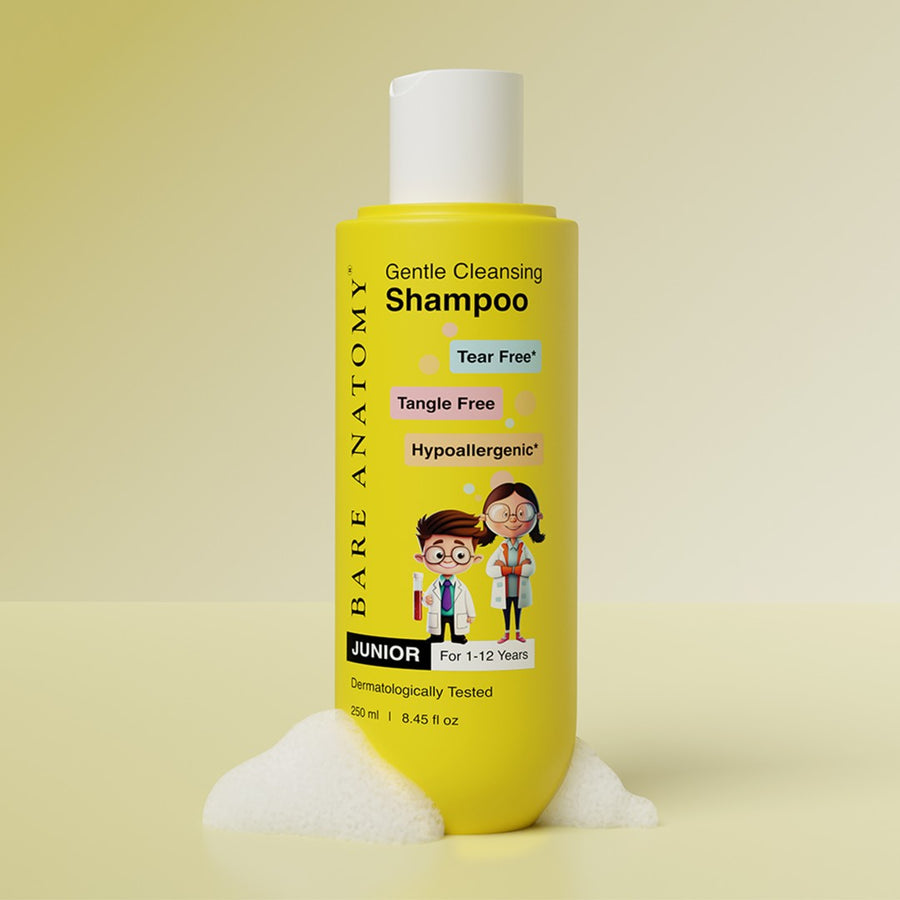
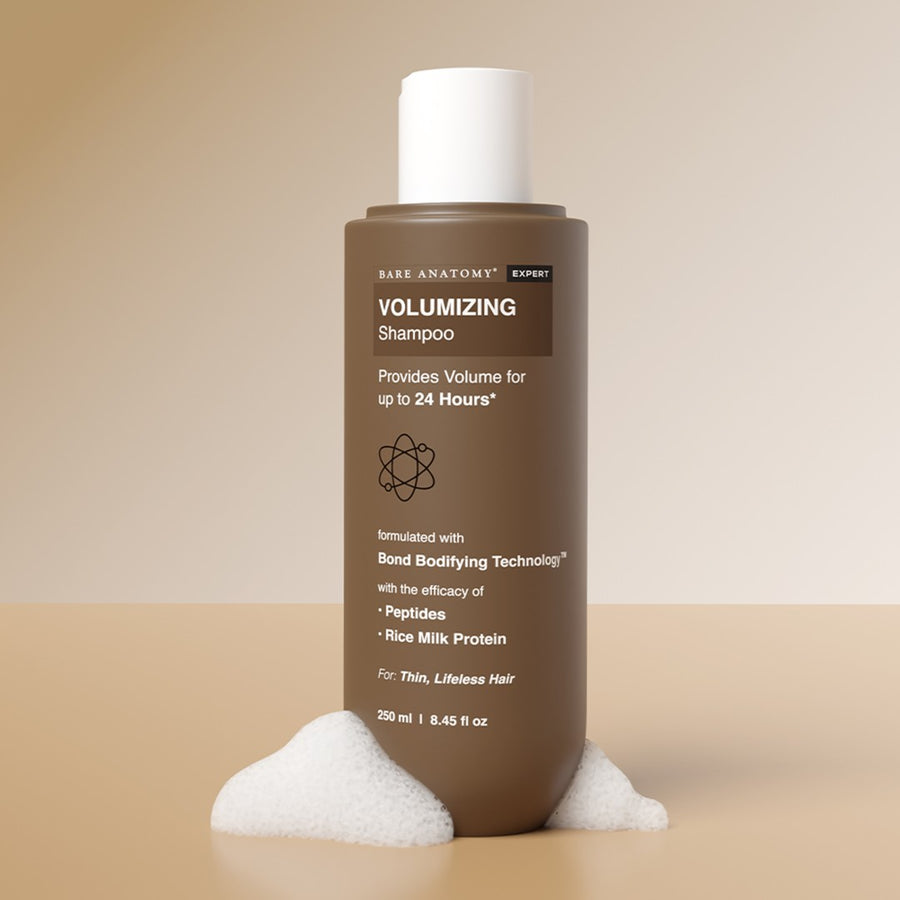
Choosing the right cleanser—like Bare Anatomy’s gentle, scalp-first shampoo range—makes all the difference.

Shop the story



Fenugreek Seeds for Hair Growth & Hair Fall: Benefits, How to Use & Results
Did you know Fenugreek seeds play a vital role in regrowing your hair while preventing hair fall? If not, then you are probably not the only one who was unaware of this fact. Made with the goodness of fenugreek extract, this formula helps strengthen weak roots and prevent unwanted hair...


UV Index Explained: How to Measure Your Daily Sun Risk & Protect Your Skin
When we step out in the sun, most of us only think about temperature or brightness. But the real factor that determines how harmful the sun can be for your skin is the UV Index. Understanding the UV Index helps you know how strong the sun’s ultraviolet radiation is on...


Regrow Your Hair: Top 10 Tips to Regrow Your Hair Naturally
Hair fall, thinning, and slow growth are some of the most searched hair concerns in India. If you’ve been typing “how to regrow hair naturally” or “best way to grow hair faster” into Google lately, you’re not alone. The good news? In many cases, hair regrowth is possible with the...


