






Why Does My Scalp Feel Sore or Painful When I Touch It?
If your scalp feels sore, tender, or painful when you touch it or even when you tie your hair, you’re not alone. This is a very common concern among people in India, especially due to heat, humidity, pollution and daily hair habits.
A painful scalp is not a hair problem; it’s a scalp health issue. And the good news is once you understand the cause it’s usually easy to manage.
What Does Scalp Pain or Tenderness Mean?
Scalp pain (also called scalp tenderness) happens when the hair follicles or scalp skin become irritated, inflamed, or overly sensitive. You may feel:
-
Pain when touching or moving your hair
-
A bruised or sore sensation
-
Discomfort while combing or oiling
-
Sensitivity near the crown or hairline
Common Causes of Scalp Pain in Indian Hair Types & Weather
1. Excess Oil, Sweat & Product Buildup
India’s hot and humid climate causes excessive sweating on the scalp. When sweat mixes with oil, dust, and styling products, it can clog hair follicles and irritate the scalp.
This often leads to soreness, itching, and heaviness at the roots.
2. Dandruff-Related Scalp Inflammation
Dandruff isn’t just flakes; it can cause underlying inflammation. This makes the scalp sensitive and painful, especially if you scratch often.
Signs include:
-
White or yellow flakes
-
Itching + tenderness
-
Pain while scratching or oiling
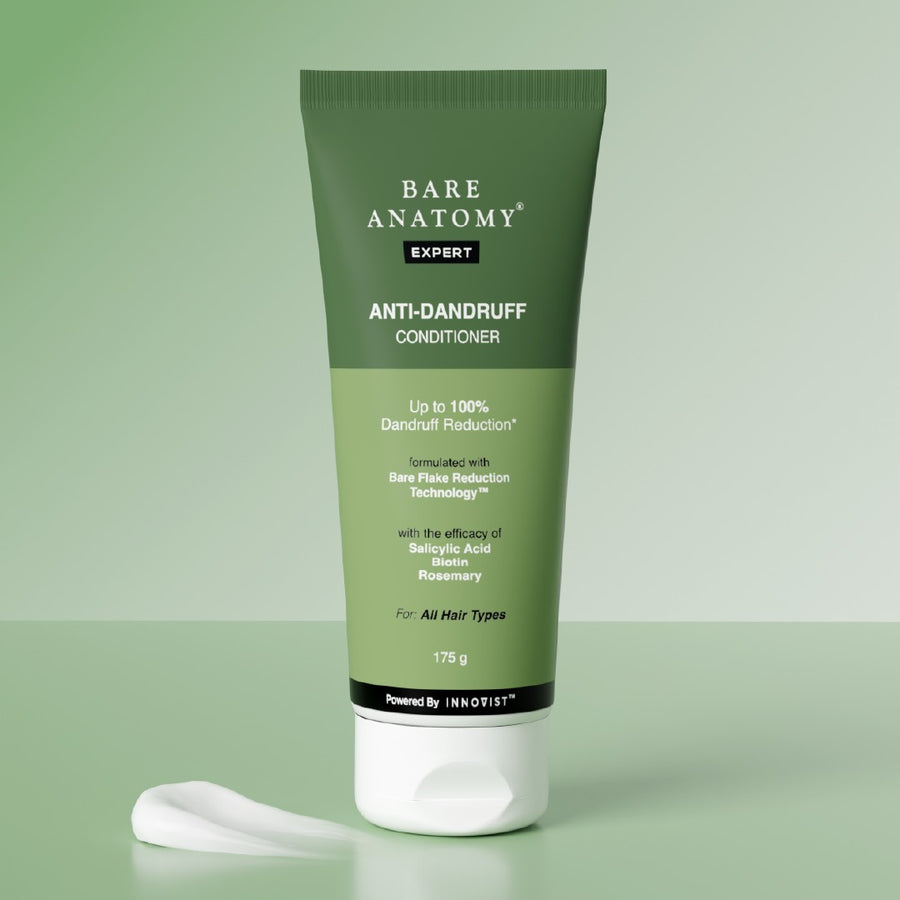
What helps: Consistent dandruff care using Bare Anatomy Anti-Dandruff Shampoo and avoiding harsh scratching.

3. Tight Hairstyles & Constant Pulling
Tight ponytails, buns, braids, or daily slick hairstyles create constant tension on the scalp. Over time, this can cause soreness and even hair fall.
This is common among:
-
Office-goers
-
Students
-
People who tie their hair tightly every day
What helps: Looser hairstyles and changing your hair part regularly.
4. Dry or Dehydrated Scalp
A dry scalp doesn’t always flake. Sometimes it just feels tight, sensitive, and painful, especially after shampooing.
Common causes include:
-
Over-washing
-
Harsh shampoos
-
Skipping scalp hydration
5. Stress, Poor Circulation & Lifestyle Factors
Stress reduces blood circulation to the scalp, making it sensitive and sore. Long work hours, poor sleep, and mental stress can worsen scalp pain.
How to Treat a Sore or Painful Scalp at Home

✔ Cleanse Your Scalp Regularly
Wash your hair 2–3 times a week if you sweat or live in a humid city. Focus on the scalp, not just hair length.
✔ Avoid Scratching
Scratching worsens inflammation. Massage gently using fingertips instead.
✔ Reduce Hairstyle Tension
Avoid tight hairstyles, especially while sleeping.
✔ Nourish the Scalp
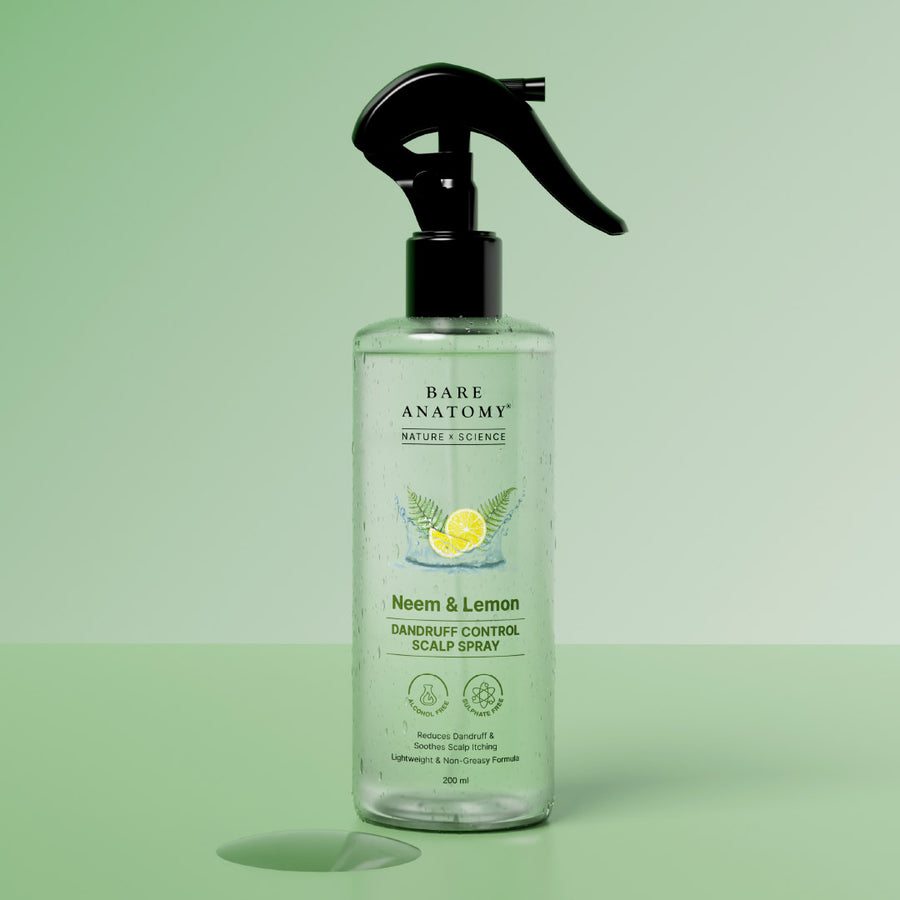
Use lightweight sprays or oils that calm the scalp rather than clogging it.
✔ Stay Consistent
Scalp issues improve with regular care—not overnight fixes.
When Should You See a Dermatologist?
Consult a dermatologist if:
-
Scalp pain is severe or persistent
-
There is redness, pus, or sudden hair loss
-
Pain doesn’t improve after 2–3 weeks of care

Shop the story




Fenugreek Seeds for Hair Growth & Hair Fall: Benefits, How to Use & Results
Did you know Fenugreek seeds play a vital role in regrowing your hair while preventing hair fall? If not, then you are probably not the only one who was unaware of this fact. Made with the goodness of fenugreek extract, this formula helps strengthen weak roots and prevent unwanted hair...


UV Index Explained: How to Measure Your Daily Sun Risk & Protect Your Skin
When we step out in the sun, most of us only think about temperature or brightness. But the real factor that determines how harmful the sun can be for your skin is the UV Index. Understanding the UV Index helps you know how strong the sun’s ultraviolet radiation is on...


Regrow Your Hair: Top 10 Tips to Regrow Your Hair Naturally
Hair fall, thinning, and slow growth are some of the most searched hair concerns in India. If you’ve been typing “how to regrow hair naturally” or “best way to grow hair faster” into Google lately, you’re not alone. The good news? In many cases, hair regrowth is possible with the...

Guide to the Best Sunscreen for Kids in India
For parents, protecting their child’s delicate skin is a daily concern, and sun safety is at the heart of it. Whether at the playground, swimming pool, or simply walking to school, a child’s exposure to UV rays can lead to sunburn, rashes, and long-term skin problems. You might wonder: What’s...

How to Fix an Oily Scalp Without Drying Out Your Hair?
The main reason for an oily scalp is the excessive production of sebum, a natural oil released by your sebaceous glands on your scalp. This oil is essential for protecting the scalp and keeping hair hydrated. Although sebum is necessary for a healthy scalp, excess levels mixed with sweat can...


