






What is SPF? Understanding the SPF Numbers in Sunscreens
SPF shows up on every sunscreen bottle, but most people do not know what the number actually means. Here is the short answer: SPF stands for Sun Protection Factor. It tells you how well a sunscreen protects your skin from UVB rays, the ones that cause sunburn.
If you wear SPF 30, it would take 30 times longer for your skin to burn than if you wore nothing at all. That is the theory. In real life, sweat, rubbing, and uneven application change the math. So SPF is a useful guide, not a timer you can trust down to the minute.
What Does SPF Stand For?
SPF stands for Sun Protection Factor. It is a lab measurement created to compare how much UVB radiation is required to burn protected skin versus unprotected skin.
Important point: SPF only measures UVB protection. It does not tell you anything about UVA protection on its own. UVA rays age your skin and cause long-term damage. That is why you should always look for the words "Broad Spectrum" on the label.
How SPF Numbers Actually Work
The SPF number is not a percentage. It is a multiplier. Here is what the common numbers mean in plain terms:
| SPF Number | Approximate UVB Protection |
|---|---|
| SPF 15 | About 93% |
| SPF 30 | About 97% |
| SPF 50 | About 98% |
| SPF 60 | About 98.3% |
Notice how the jump from 15 to 30 is much bigger than the jump from 30 to 60? Once you pass SPF 30, the gains get smaller. SPF 60 is not twice as strong as SPF 30. It blocks a tiny bit more UVB, but the real difference is how forgiving it is if you apply too little.
Most people apply only 25 to 50 percent of the sunscreen they need. A higher SPF gives you a safety net. So SPF 50 or SPF 60 is a smart daily choice, especially in India where the sun is intense.
Does a Higher SPF Mean You Can Skip Reapplication?
No. This is the biggest sunscreen myth out there.
Higher SPF does not last longer. It does not become waterproof. It does not let you stay out all day without adding more. All sunscreen breaks down with sun exposure, sweat, and natural skin oils.
Reapply every 2 to 3 hours when you are outdoors. Reapply right after swimming or heavy sweating. No exceptions.
What About PA Rating and Broad Spectrum?
SPF only covers UVB. For UVA, check the PA rating. PA stands for Protection Grade of UVA. You will see plus signs:
- PA+ = Some UVA protection
- PA++ = Moderate
- PA+++ = High
- PA++++ = Very high
For daily use in India, aim for at least PA+++. Broad Spectrum plus a high PA rating means you are covered against both burning and aging rays.
Our SunScoop Picks for Every SPF Need
At SunScoop, we formulate sunscreens that match real life. Not just beach days, but commutes, desk jobs near windows, and outdoor workouts. Here are our top picks based on SPF level and skin need.


Hydrating Fluid Sunscreen SPF 60 PA++++ is our highest protection option. It is lightweight, in-vivo tested, and works for both face and body. Great if you want maximum coverage without a heavy feel.
3% Niacinamide Featherlight Fluid Sunscreen SPF 50+ is perfect if you want sun protection plus skin brightening. Niacinamide helps with dark spots and uneven tone while the fluid texture sits well under makeup.
5% Niacinamide Sunscreen Body Lotion SPF 50+ takes care of arms, legs, and neck without that sticky residue body sunscreens often leave behind.
1% Hyaluronic Acid Gel Sunscreen SPF 50+ is a dream for oily or combination skin. It hydrates with hyaluronic acid but absorbs fast with a clean finish.
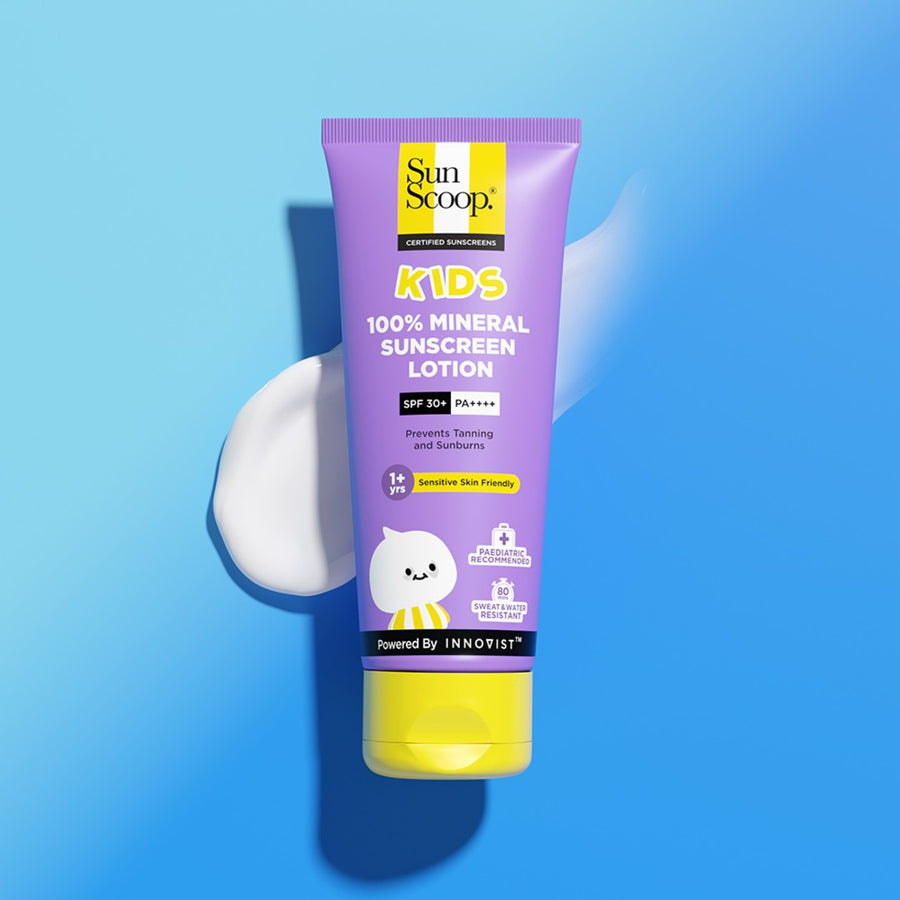
100% Mineral Kids Sunscreen SPF 30+ uses zinc and titanium dioxide. It is gentle, fragrance-free, and made for sensitive young skin. Adults with reactive skin love it too.
How to Choose the Right SPF for You
Here is a simple way to decide:
- Indoor days with minimal sun: SPF 30 is fine if you are mostly inside and away from direct windows.
- Daily commute and office life: SPF 50+ gives you a solid buffer for the hours you spend in traffic or walking to lunch.
- Outdoor workouts, beach days, or field work: SPF 60 with PA++++ is worth it. The extra protection helps when sweat and wiping your face reduce coverage.
- Kids or sensitive skin: Mineral SPF 30+ is the safest starting point.

Shop the story




Fenugreek Seeds for Hair Growth & Hair Fall: Benefits, How to Use & Results
Did you know Fenugreek seeds play a vital role in regrowing your hair while preventing hair fall? If not, then you are probably not the only one who was unaware of this fact. Made with the goodness of fenugreek extract, this formula helps strengthen weak roots and prevent unwanted hair...


UV Index Explained: How to Measure Your Daily Sun Risk & Protect Your Skin
When we step out in the sun, most of us only think about temperature or brightness. But the real factor that determines how harmful the sun can be for your skin is the UV Index. Understanding the UV Index helps you know how strong the sun’s ultraviolet radiation is on...


Regrow Your Hair: Top 10 Tips to Regrow Your Hair Naturally
Hair fall, thinning, and slow growth are some of the most searched hair concerns in India. If you’ve been typing “how to regrow hair naturally” or “best way to grow hair faster” into Google lately, you’re not alone. The good news? In many cases, hair regrowth is possible with the...

Guide to the Best Sunscreen for Kids in India
For parents, protecting their child’s delicate skin is a daily concern, and sun safety is at the heart of it. Whether at the playground, swimming pool, or simply walking to school, a child’s exposure to UV rays can lead to sunburn, rashes, and long-term skin problems. You might wonder: What’s...


