









What Is Spray Sunscreen & How to Use It the Right Way?
Spray sunscreen is everywhere, from beaches and pool parties to outdoor sports and everyday commutes. But what exactly is a sunscreen spray, and how is it different from the classic lotion? Whether you’re a first-time SPF user or looking for a quicker, cleaner way to protect your skin, understanding spray sunscreen can make your routine easier and more effective.
This blog answers your most common questions, including when to use, how much to apply, and whether you can use sunscreen spray on your face or over makeup, so your sun protection is always on point.
What Is Spray Sunscreen?
 A sunscreen spray is a sunblock delivered via a fine mist, packaged in an aerosol or pump bottle. Instead of rubbing in a thick, creamy lotion, you simply spray SPF evenly over the skin. Most sunscreen sprays offer classic broad-spectrum protection, look for labels like SPF 50 or waterproof sunscreen spray, can be just as effective as lotions if used the right way. For your face, you can pair them with a lightweight daily formula like Sunscoop Hydrating Fluid Sunscreen, which provides non-greasy, broad-spectrum protection while keeping skin hydrated.
The format makes it especially handy for quick touch-ups, reapplication on the go, and covering hard-to-reach spots on the body like your back or shoulders.
Benefits Of Using Spray Sunscreen
-
Fast and Easy Application: No more laboriously rubbing in cream, especially for squirming kids or when your hands are sandy or dirty.
-
Even Coverage for the Body: Sprays allow you to mist large areas and reach tricky spots, without missing patches.
-
Lightweight and Non-Greasy: Many formulas feel weightless, great for humid climates or oily skin types.
-
Ideal for On-the-Go Reapplication: Pop a spray SPF in your bag and reapply quickly, whether you’re outdoors, at the gym, or running errands.
-
Works Well for Hairy or Sweaty Skin: Sprays don’t stick or leave heaviness, even on arms or legs after workouts.
How To Use Spray Sunscreen?

-
Shake the Bottle Well: Always shake before use to mix the ingredients.
-
Hold Close to Skin: Spray sunscreen about 4–6 inches from the body, don’t just mist from a distance.
-
Apply Until Skin Glows: Spray until the skin looks glistening, not just damp.
-
Rub It In: After spraying, gently rub the sunscreen into your skin to ensure even protection and zero missed spots.
-
Repeat for Full Coverage: Section by section, start with arms, legs, back, and chest.
-
Let It Set: Wait 15 minutes before sun exposure for best results.
-
Reapply Every 2 Hours: Always reapply after swimming, sweating, or towel drying, regardless of waterproof or water-resistant claims.
Can You Use Spray Sunscreen On Face?
 Spray sunscreens are designed for body application, but you can use them on your face with caution. Avoid spraying directly onto your face to prevent inhalation or eye irritation. Instead, spray the SPF into your hands, then gently pat and blend it onto your face and neck.
For those with sensitive or acne-prone skin, check for “face-safe” or “non-comedogenic” labels. Many people prefer using sunscreen spray for quick facial touch-ups, but always avoid spraying near the eyes or mouth.
Spray Sunscreen Usage Tips
-
Never spray near an open flame; the aerosol contents can be flammable.
-
Avoid using sunscreen spray on the face directly. Children should especially never inhale the mist.
-
For windy or outdoor settings, spray while standing shielded or indoors to avoid product blow-away and uneven coverage.
-
Don’t forget tricky spots: back of the legs, tops of feet, back, ears, and neck.
-
If using sunscreen SPF spray over makeup, close eyes and mouth, spray from a distance, and let it set. For precise touch-up, spray onto clean hands and pat gently over makeup.
-
Even waterproof sunscreens need frequent reapplication after swimming or sweating.
Sunscreen Spray vs Lotion: Which Is Better?
 Both sunscreen spray and lotion have similar active ingredients and can offer strong sun protection if applied properly. Lotions let you see exactly where you’ve applied product, while sprays save time, keep hands clean, and cover wide areas faster. If you’re worried about missing a spot, double-check after spraying and rub in for full coverage.
For detailed or facial application, lotions (or sticks) may offer more control. Try both to see which method fits your lifestyle best!
Spray sunscreen is a modern SPF solution for busy lifestyles, lightweight, fast, and easy for the body or touch-ups over makeup. Just remember, cover every spot, rub it in, and reapply frequently. For everyday sun safety, pick your favorite SPF spray or lotion…and protect your skin with confidence! Shop the best sunscreens today or visit our blog section for more expert insights!

Shop the story




Fenugreek Seeds for Hair Growth & Hair Fall: Benefits, How to Use & Results
Did you know Fenugreek seeds play a vital role in regrowing your hair while preventing hair fall? If not, then you are probably not the only one who was unaware of this fact. Made with the goodness of fenugreek extract, this formula helps strengthen weak roots and prevent unwanted hair loss. What are Fenugreek Seeds? Fenugreek seeds are small, golden-brown seeds derived from a legume plant. Widely used in Indian households, they are rich in: Protein Iron Potassium Nicotinic acid Antioxidants These nutrients make fenugreek a popular ingredient for improving scalp health and supporting hair growth. Why consider Fenugreek seeds for hair? Rich is several ingredients, Fenugreek seeds offer a good source of: Protein: helps in maintaining the hair structure Iron and Potassium: support scalp health Antioxidants: Prevent damage and premature greying What Makes Fenugreek Seeds Effective for Hair? Fenugreek seeds are effective for hair because of their high content of proteins, nicotinic acid and lecithin, which initially at the end promotes hair growth and also reduces dandruff at the same time. Key reasons for effectiveness: Source Benefits Rich in protein and iron Helps in rebuilding hair follicles and combating hair fall Contain anti-inflammatory properties Helps in reducing scalp inflammation and infections Enriched with hormone-balancing precursors This reduces DHT levels that are often linked to hair loss Pros of using Fenugreek Seeds on hair: Promotes hair growth Fights dandruff and scalp-related issues that simultaneously reduce hair fall Provides deep conditioning Repairs dull and damaged hair How Does Fenugreek Help with Hair Fall? Fenugreek helps reduce hair fall by: Strengthening Hair Follicles Reduces scalp inflammation Inhibiting hormone-related hair fall How does Fenugreek seed help in hair growth? Fenugreek seeds support hair growth by improving the overall health of your scalp. Additionally, the benefits of fenugreek seeds for hair growth come from a mixture of nutrients and natural plants that act on multiple causes of hair thinning. Using Fenugreek seeds for hair growth offers benefits in several ways, such as: It improves scalp circulation Balances the hormones that are linked to hair loss Add thickness and shine How to Use Fenugreek Seeds for Hair Growth & Hair Fall? The best ways to use Fenugreek seeds for hair loss and hair growth 1. Fenugreek Hair Mask Soak seeds overnight and grind into a paste Apply to scalp for 20–30 minutes Helps with deep conditioning and scalp nourishment 2. Fenugreek Oil Infuse fenugreek seeds in coconut oil Massage into the scalp to strengthen roots 3. Fenugreek Water Spray Soak seeds, strain the water, and store in a spray bottle Use regularly for lightweight scalp hydration 4. Fenugreek + Onion Juice Helps improve scalp circulation Supports healthier hair growth While these DIY methods can be effective, they often require consistent effort, proper preparation, and may not always deliver uniform results. If you’re looking for a more convenient and reliable solution, you can opt for a ready-to-use formula like Bare Anatomy Fenugreek Hair Spray. It combines the benefits of fenugreek with clinically tested actives to help reduce hair fall and support hair growth without the hassle of DIY preparation. Why Choose a Ready-to-Use Fenugreek Solution? While DIY remedies are popular, they often lack consistency. A science-backed fenugreek-based product like Bare Anatomy Fenugreek & Curry Leaves Spray offers: Better ingredient stability Deeper scalp penetration Added actives for faster results Ease of use and long shelf life


UV Index Explained: How to Measure Your Daily Sun Risk & Protect Your Skin
When we step out in the sun, most of us only think about temperature or brightness. But the real factor that determines how harmful the sun can be for your skin is the UV Index. Understanding the UV Index helps you know how strong the sun’s ultraviolet radiation is on a given day and how much protection your skin needs. Whether you are commuting to work, stepping out for errands, or spending time outdoors, the UV Index can guide you on when and how to protect your skin properly. In this guide, we explain what the UV Index means, how it is measured, how to check it daily, and how to protect your skin accordingly. What Is the UV Index? The UV Index (Ultraviolet Index) is an international standard measurement used to indicate the strength of the sun’s ultraviolet radiation reaching the earth’s surface at a particular place and time. It helps people understand their risk of sunburn and long-term skin damage. The UV Index scale usually ranges from 0 to 11+, where higher numbers indicate stronger UV radiation and a higher risk to the skin and eyes. Even on days when the weather feels pleasant or slightly cloudy, UV radiation can still be high, which is why checking the UV Index becomes important. Why the UV Index Matters for Your Skin UV radiation can cause both immediate and long-term skin damage. Some common effects of excessive UV exposure include: Sunburn Tanning and pigmentation Premature ageing Skin barrier damage Increased risk of skin cancer For countries like India, where sun exposure is high for most of the year, the UV Index often reaches moderate to very high levels during the day. Knowing the daily UV level helps you decide: When to apply sunscreen How often to reapply it Whether you need extra protection like hats or sunglasses How the UV Index Scale Works The UV Index is divided into different risk levels. Each level indicates how quickly unprotected skin can get damaged. UV Index Risk Level What It Means 0–2 Low Minimal risk for most people 3–5 Moderate Sun protection recommended 6–7 High Protection required 8–10 Very High Skin damage possible quickly 11+ Extreme Maximum protection needed In many Indian cities, the UV Index often reaches 8 or higher between 11 AM and 3 PM, which means unprotected skin can burn quickly. How the UV Index Is Measured The UV Index is calculated using a combination of environmental factors that influence how much ultraviolet radiation reaches the earth. Key factors include: 1. Sun Angle When the sun is directly overhead, UV rays travel a shorter path through the atmosphere, making radiation stronger. This is why UV levels peak around midday. 2. Ozone Levels The ozone layer absorbs a large portion of UV radiation. When ozone levels decrease, more UV rays reach the ground. 3. Cloud Cover Clouds can reduce UV radiation slightly, but they do not block it completely. In fact, thin clouds may still allow significant UV exposure. 4. Altitude UV radiation increases with altitude. Places located at higher elevations receive stronger UV exposure. 5. Surface Reflection Certain surfaces reflect UV rays and increase exposure: Water Sand Snow Concrete This means you can receive UV exposure from both direct and reflected sunlight. How to Check the UV Index Daily Checking the UV Index before stepping out can help you plan your sun protection better. You can find the daily UV Index through: Weather apps on your phone Search results on Google Weather websites Smartwatch weather features Most weather platforms now show hourly UV Index forecasts, helping you identify peak sun hours. What the UV Index Means for Your Sunscreen Routine The higher the UV Index, the more consistent your sun protection should be. Here’s a simple guideline: UV Index 0–2 Basic sun protection is enough. Sunscreen is still recommended if you spend long hours outdoors. UV Index 3–5 Use broad-spectrum sunscreen, sunglasses and protective clothing. UV Index 6–7 Reapply sunscreen every 2–3 hours. Avoid prolonged sun exposure during midday. UV Index 8+ Strict sun protection is necessary. Stay in shade whenever possible. A lightweight daily sunscreen such as Sunscoop Niacinamide Featherlight Fluid Sunscreen can make regular application easier, especially in humid climates where heavy sunscreens may feel uncomfortable on the skin. Why UV Protection Is Important Even on Cloudy Days Many people skip sunscreen when the weather looks cloudy. However, up to 80% of UV rays can still penetrate clouds, which means your skin remains exposed even when the sun is not visible. UV radiation also passes through glass windows, which is why indoor protection near windows is sometimes recommended. This makes daily sunscreen use an important step in any skincare routine, regardless of weather conditions. Tips to Reduce Daily UV Exposure Along with sunscreen, simple lifestyle habits can significantly reduce sun damage. Avoid Peak Sun Hours Try to limit outdoor exposure between 11 AM and 3 PM, when UV radiation is strongest. Use Protective Accessories Wear: Wide-brim hats UV-blocking sunglasses Full-sleeve clothing when possible Reapply Sunscreen Sunscreen should be reapplied every 2–3 hours, especially if you are sweating or outdoors. Use Lightweight Sunscreens Daily Daily sun protection becomes easier when the formula feels comfortable on the skin. Lightweight options like SunScoop Niacinamide Featherlight Fluid Sunscreen can fit well into everyday routines without leaving a heavy or greasy feel. Final Thoughts The UV Index is one of the simplest tools to understand your daily sun exposure risk. Instead of guessing how strong the sun might be, checking the UV Index helps you take the right precautions for your skin every day. A combination of daily sunscreen use, protective habits and awareness of peak sun hours can go a long way in protecting your skin from long-term sun damage.

Regrow Your Hair: Top 10 Tips to Regrow Your Hair Naturally
Hair fall, thinning, and slow growth are some of the most searched hair concerns in India. If you’ve been typing “how to regrow hair naturally” or “best way to grow hair faster” into Google lately, you’re not alone. The good news? In many cases, hair regrowth is possible with the right combination of nutrition, scalp care, and clinically proven actives. This guide covers science-backed, natural ways to regrow hair, along with expert-backed strategies that actually work. Can Hair Really Regrow Naturally? Yes — but it depends on the cause. Hair can regrow naturally if hair loss is due to: Nutritional deficiencies Stress Hormonal imbalance Post-illness shedding Scalp inflammation Early-stage thinning However, long-term untreated pattern hair loss may require targeted intervention. Hair grows in cycles: Anagen (growth phase) Catagen (transition phase) Telogen (resting/shedding phase) The goal of natural hair regrowth methods is to: Extend the anagen phase Reduce inflammation Improve scalp circulation Strengthen hair roots Top 10 Tips to Regrow Your Hair Naturally 1. Improve Your Diet for Hair Growth Hair is made of keratin (protein), so low protein intake can slow growth. Include: Eggs Paneer & legumes Nuts & seeds Green leafy vegetables Omega-3 rich foods Key nutrients for hair regrowth: Biotin Iron Zinc Vitamin D Vitamin B12 If you're experiencing persistent shedding, testing for deficiencies is essential. 2. Massage Your Scalp Regularly Scalp massage increases blood circulation to hair follicles. Benefits: Stimulates dormant follicles Reduces stress Improves nutrient delivery Use light pressure for 5–10 minutes daily. 3. Use Rosemary Oil (Diluted) Rosemary oil is often compared to minoxidil in mild hair thinning cases as it: Improves scalp circulation Reduces inflammation Supports follicle stimulation Always dilute with a carrier oil before use. 4. Reduce Scalp Inflammation An unhealthy scalp = weak hair growth. Common triggers: Dandruff Product buildup Excess oil Fungal overgrowth Use gentle, sulphate-free cleansers and avoid harsh chemical treatments. 5. Manage Stress Chronic stress pushes hair into the telogen phase (shedding). Practice: Yoga Meditation Adequate sleep Physical activity Stress-related hair fall is usually reversible with consistency. 6. Avoid Tight Hairstyles Constant tension from: Tight ponytails Braids Buns Can lead to traction alopecia (gradual hairline thinning). Let your scalp breathe. 7. Use Heat Styling Sparingly Frequent heat exposure weakens the hair shaft and leads to breakage. Tips: Use heat protectant Avoid daily straightening Air dry when possible 8. Try Onion Juice (With Caution) Onion juice contains sulfur that may support collagen production. However: It can irritate sensitive scalps Smell can linger Results vary Patch test before using. 9. Exfoliate Your Scalp Just like your skin, your scalp accumulates dead cells. Scalp exfoliation: Removes buildup Boosts follicle function Improves product absorption Do this once every 2–3 weeks. 10. Use Clinically Proven Hair Growth Actives While natural remedies support scalp health, targeted hair growth solutions accelerate visible regrowth. Look for ingredients like: Peptides Caffeine Redensyl Anagain Procapil Formulations designed for scalp penetration deliver better results compared to DIY oils. For example, a science-backed formulation like Bare Anatomy Hair Growth Serum combines clinically studied actives designed to reduce hair fall and stimulate regrowth at the root level — making it a more structured and effective approach compared to home remedies alone. How Long Does Hair Regrowth Take? Hair grows about 1–1.5 cm per month. You may notice: Reduced hair fall in 4–6 weeks Baby hair growth in 8–12 weeks Visible density improvement in 3–6 months Consistency is key. Final Thoughts Hair regrowth is rarely about one miracle remedy. It’s about: ✔ Healthy scalp✔ Proper nutrition✔ Reduced stress✔ Consistent targeted care Natural remedies can support growth — but pairing them with clinically tested actives can significantly improve outcomes. If you're serious about regrowing your hair, focus on a structured, science-backed routine rather than random DIY hacks. Consistency beats shortcuts. Always.

Guide to the Best Sunscreen for Kids in India
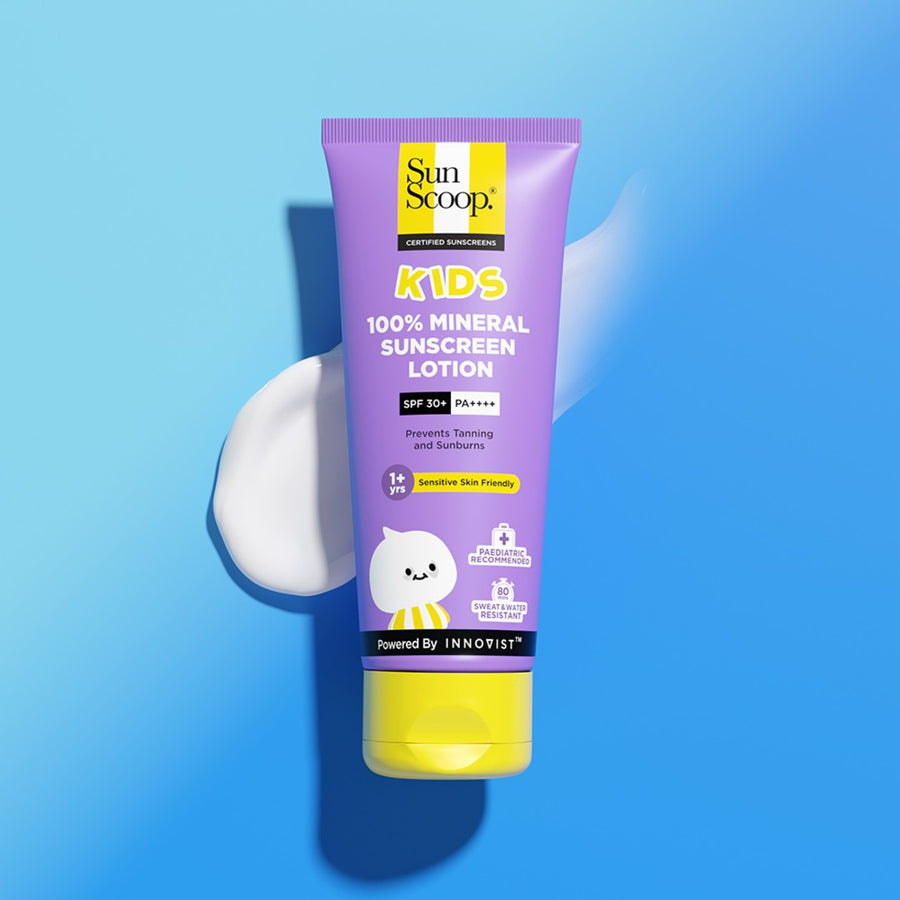
For parents, protecting their child’s delicate skin is a daily concern, and sun safety is at the heart of it. Whether at the playground, swimming pool, or simply walking to school, a child’s exposure to UV rays can lead to sunburn, rashes, and long-term skin problems. You might wonder: What’s the best sunscreen for kids? Is there a difference between kids sunscreen, sunscreen for babies, and options marketed for teens? This comprehensive guide is designed to answer your most pressing questions and help you choose a sunscreen your little ones will love. Is Sunscreen Important for Kids? Absolutely. Children’s skin is thinner and more sensitive than adults’, making them especially vulnerable to sunburn and lasting sun damage. Even brief outdoor play exposes them to UV radiation, which accumulates over time. Consistently using sunscreen for children is vital in India’s climate, where UV levels are high for most of the year. By building sun protection into your child’s daily routine, you’re not just avoiding sunburn now—you’re also helping prevent skin cancer and premature ageing later in life. What Should You Look for in Sunscreen for Kids? Choosing a kids sunscreen isn’t about flashy packaging—it’s about safety, comfort, and easy application. Look for a broad-spectrum sunscreen with SPF 30 or higher, which protects against both UVA and UVB rays. For children with sensitive skin, a mineral-based sunscreen for kids (using zinc oxide or titanium dioxide) is ideal. These formulas sit on the skin's surface, blocking harmful rays without soaking in or causing reactions. In India’s heat and humidity, waterproof sunscreen for swimming for kids is a smart pick for active days by the pool or playground. Hypoallergenic, fragrance-free options minimize the risk of irritation—a must for infants and toddlers. If your child dislikes thick creams, consider a lightweight lotion or stick made specifically as a sunscreen for kids' faces: these blend seamlessly and don’t sting the eyes. When in doubt, check for dermatologically tested badges or paediatrician recommendations. Best Sunscreen for Kids in India: SunScoop Kids Sunscreen Navigating India’s sunscreen market can feel overwhelming, but standout products like Sunscoop 100% Mineral Kids Sunscreen make sun safety simple. Specially formulated for young, sensitive skin, SunScoop is packed with mineral filters such as zinc oxide, ensuring gentle yet effective SPF 50 protection. Its creamy lotion is easy to spread, non-sticky, and safe for the face and body—even for babies over six months old. SunScoop is water-resistant for up to 80 minutes, making it an ideal swimming sunscreen for kids and perfect for school trips, sports, or weekend adventures. The formula is free from harsh chemicals, parabens, and artificial fragrance, so you can use it daily without worry. For older kids and tweens, SunScoop’s lightweight texture offers invisible, non-comedogenic protection, ranking it among the best sunscreens for teenagers and the best sunscreen for 12-year-olds in India. Why Are Mineral Sunscreens Best for Kids? Most pediatric dermatologists recommend mineral-based sunscreen for kids, and for good reason. Unlike chemical sunscreens, which absorb and neutralize UV rays, mineral sunscreens stay on the skin’s surface and reflect sunlight away immediately. They’re less likely to cause allergic reactions or irritate sensitive areas, such as around the eyes. For babies and toddlers, this means fewer tears and less fuss during application. Mineral sunscreens also have the added benefit of being effective from the moment they’re applied (no need to wait 20 minutes before sun exposure), and they typically do not clog pores. For peace of mind and all-around protection, a mineral formula is the safest choice for your child’s sunny days. How to Apply Sunscreen on Kids? Applying sunscreen to kids can be a challenge, but a few simple habits make the process smoother. Start by applying sunscreen generously on all exposed skin at least 15 minutes before heading outdoors. Don’t forget areas like the tips of ears, back of the neck, tops of feet, and even the scalp if hair is thin. For faces, use a gentle formula labelled sunscreen for kids' faces to avoid stinging. Encourage participation: let your child help dab sunscreen onto their cheeks or arms—it builds good habits and a sense of independence. If your child swims, sweats, or towels off, reapply every two hours (even if the product claims to be a waterproof sunscreen for swimming for kids). And remember: even on cloudy or winter days, sun protection remains essential. To Conclude Sun safety for children requires more than a one-time smear. It’s about finding the best sunscreen for kids and making it part of your family’s daily routine. Opt for a mineral, water-resistant SPF for everyday adventures, and don’t forget to reapply after outdoor play or swimming. Ready to protect your little one’s glow? Shop the best kids and baby sunscreens today

How to Fix an Oily Scalp Without Drying Out Your Hair?
The main reason for an oily scalp is the excessive production of sebum, a natural oil released by your sebaceous glands on your scalp. This oil is essential for protecting the scalp and keeping hair hydrated. Although sebum is necessary for a healthy scalp, excess levels mixed with sweat can cause oily hair that feels greasy, looks limp and is hard to manage. To break this cycle of oil imbalance, switching to a targeted yet gentle hair care routine can help in oily scalp treatment. In this guide, we’ll decode why sebum build-up occurs and share ways to manage an oily scalp, without drying out your hair. Understanding the Sebum & Scalp Connection The scalp is an extension of your skin, and like facial skin, it has sebaceous glands that make sebum, a natural oil to moisturize and protect the scalp and hair shaft. This protective natural oil creates a film on the scalp and along the hair shaft, retaining moisture and protecting against environmental damage. However, when sebum production is more than your scalp requires, it may combine with sweat, dirt, and dead skin cells, leading to clogged follicles causing an oily scalp and oily hair. The sebum composition may differ between individuals depending on age, diet, and skin health. This affects how oily your hair feels on a day-to-day basis. Thus, it’s important to identify the underlying triggers that may cause sebum buildup on the scalp, so that you can select a product that meets your oily hair treatment needs. What Triggers Sebum Overproduction? Various internal and external influences can send your sebaceous glands into overdrive. Understanding these can help manage an oily scalp and prevent oily and greasy hair. Here are some common yet often overlooked triggers: Hormonal fluctuations Thyroid function & androgen changes, particularly during puberty, menstruation, pregnancy, or PCOS, can alert your body to secrete more sebum. This hormonal change is the most prevalent cause of having an oily scalp, particularly in women between their 20s & 40s. Genetic predisposition Your genes may naturally influence how much sebum your scalp produces. If oily skin or oily hair runs in your family, you’re likely to inherit the same scalp tendencies. Studies suggest that nearly 50% of sebum output variability is genetically determined. Humidity and weather Oily scalps get worse in warm, humid climates. High temperatures cause more sweating, which combines with excess sebum, trapping dirt and clogging follicles. This residue makes your oily scalp sticky and hair greasy, even within a few hours of washing. Over-washing & harsh shampoos Regular washing of your hair, particularly with sulphate-based shampoo, dries out the oils on the scalp. This has a rebound effect, whereby your glands produce more sebum to make up for the lost oil, forming a dryness-oiliness cycle. Product buildup & poor scalp hygiene Excessive use of heavy conditioners, styling creams, or oils can clog pores on your scalp. When all these products combine with sebum, sweat, and dead skin cells, they create a sticky layer that suffocates the scalp, leading to persistent oily hair and dullness. Unbalanced diet and lifestyle High-sugar, high-fat diets and lack of quality sleep can trigger inflammation and hormonal imbalance, both of which affect sebum production. Even chronic stress has been found to increase cortisol levels, indirectly leading to oiliness and flakiness on the scalp. Medical conditions Underlying conditions such as seborrheic dermatitis, fungal infection of the scalp, or hormonal imbalances (such as hypothyroidism or PCOS) may result in excessive sebum production. These conditions tend to require both external treatment and internal medical support for long-term improvement. How to Manage Excess Sebum Without Over-Drying the Scalp? Fixing an oily scalp doesn't mean stripping away all its natural oils. Doing so will send your scalp into overdrive and produce even more sebum to compensate for the loss. The trick is to balance your scalp's oil levels, without disturbing its natural barrier. Here's how: Use a Sulphate-Free Shampoo Traditional clarifying shampoos often contain harsh sulphates that dry out both the scalp and hair. Instead, choose a sulphate-free shampoo specifically formulated for oily scalps. Look for ingredients like Salicylic Acid to gently exfoliate scalp buildup & unclog pores, Tea Tree to purify and soothe the scalp, and Hyaluronic Acid or Pentavitin to maintain root-to-tip hydration. Bare Anatomy’s Oil Control Shampoo uses a science-backed blend of actives to reduce excess oil up to 100% without drying out your lengths. It’s suitable for both men & women, helps balance scalp pH, and is the ideal shampoo for oily scalp and dry hair. Space Out Your Wash Days Thoughtfully While excessive washing deprives your scalp of its oil, leaving the scalp unwashed for long exposes it to dirt, sebum, and product buildup. If your scalp frequently becomes greasy, try shampooing 2–3 times per week using a balancing shampoo that removes oils & impurities while keeping the ends hydrated. Avoid Heavy Conditioners on the Roots Conditioners are essential for moisturising dry lengths, but applying them too close to your roots can weigh down your hair and worsen oiliness. Stick to applying conditioner from mid-length to ends only, and opt for lightweight, silicone-free formulas when possible. Exfoliate Your Scalp Weekly Just as your skin, your scalp also needs regular exfoliation to remove dead skin cells, oil residue, and buildup. Treat it with Bare Anatomy Scalp Scrub, which blends physical exfoliants with natural AHAs to thoroughly cleanse the scalp. Use it once a week to keep follicles open and enhance product penetration, promoting a nourishing environment for overall hair health. Rinse with Lukewarm Water Washing your hair with hot water is likely to overstimulate oil glands and dry your scalp. Instead, use lukewarm or cold water to assist in balancing your scalp's moisture levels and minimizing frizz. Reevaluate Your Diet and Stress Levels Processed fat, sugar, or dairy diets can affect your body's oil production, as may chronic stress & hormonal imbalances. Consuming antioxidant-rich foods and managing stress through rest or mindfulness can help better control sebum internally. What’s the Difference between Normal Oily Scalp vs. Oily Scalp with Dandruff? It’s easy to confuse an oily scalp with dandruff, but they aren’t always the same thing. Understanding the difference can help you choose the right solution. Feature Oily Scalp Oily Scalp with Dandruff Appearance Hair gets greasy fast and feels flat Greasy roots plus visible flakes Scalp Symptoms May feel heavy but not always itchy or flaky Often itchy, red, or irritated with noticeable flaking Cause Overactive oil glands Excess sebum + Malassezia (fungal growth) Treatment Need Gentle Oil-balancing Anti-fungal scalp-soothing Recommended Shampoo Type Bare Anatomy Oil Control Shampoo Bare Anatomy Anti-Dandruff Shampoo If you're not sure which group you fall into, keep an eye out for symptoms such as itching and ongoing flaking. A regular regimen with scalp-balancing actives can help manage both concerns over time. Final Thoughts The secret to controlling an oily scalp is selecting the proper hair care routine. Rather than over-washing or getting harsh chemicals that rob your scalp, switch to gentle products that tackle oil without interfering with your scalp's natural barrier. Simple adjustments to your routine, such as washing less frequently, clarifying once a week, and selecting products with the proper ingredients, can give you fresher, healthier-looking hair. Remember, it's not about removing sebum entirely, but about gently nourishing your scalp's natural rhythm.


