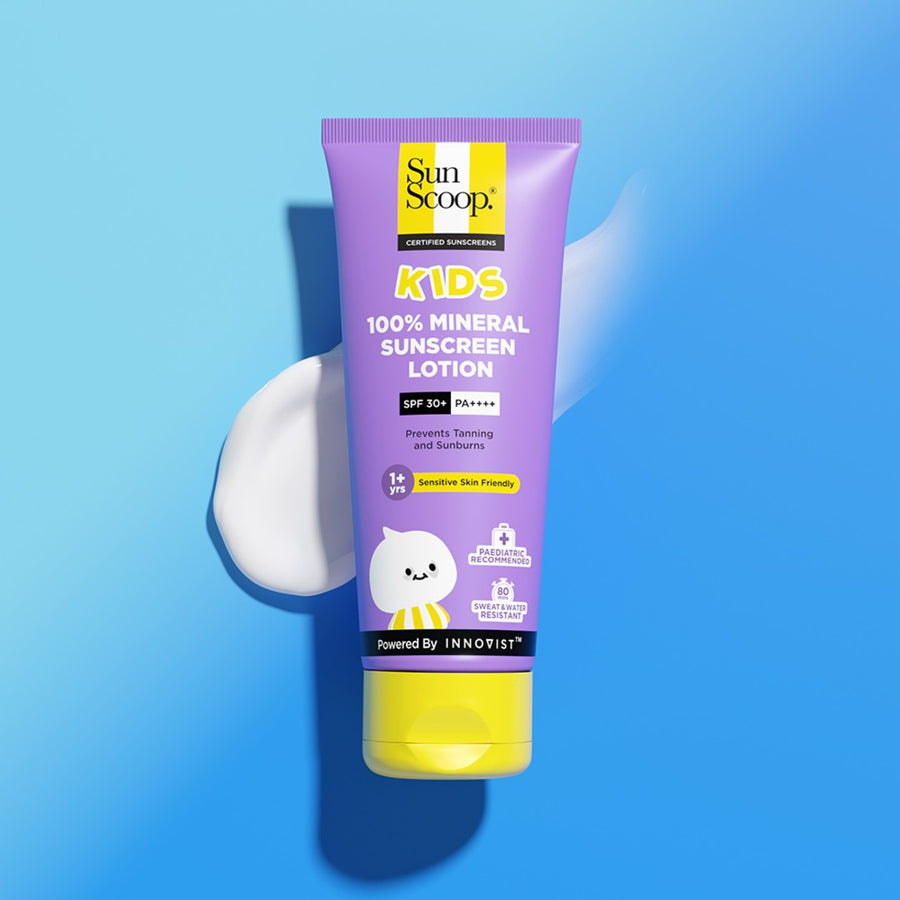
If you’ve ever checked the back of your sunscreen bottle, chances are you’ve seen zinc oxide listed as an active ingredient. Dermatologists recommend it. Sensitive skin users swear by it. And mineral sunscreen lovers prefer it.
But what exactly does zinc oxide do in sunscreen?
Is it better for Indian skin?
And are there any drawbacks?
Let’s break it down in simple, practical terms.
What Is Zinc Oxide in Sunscreen?
Zinc oxide is a mineral UV filter used in physical (mineral) sunscreens. It sits on the surface of the skin and helps protect against both:
-
UVA rays (ageing rays)
-
UVB rays (burning rays)
Unlike some filters that mainly target one type of UV radiation, zinc oxide offers broad-spectrum protection on its own, which makes it a popular choice in SPF formulations.
How Does Zinc Oxide Protect Your Skin?
Zinc oxide works by forming a protective layer over the skin that:
-
Reflects and scatters UV radiation
-
Absorbs part of the UV energy
-
Reduces penetration of harmful rays
This dual mechanism is why it’s widely used in sunscreens designed for everyday wear, especially in high UV climates like India.
Benefits of Zinc Oxide in Sunscreen
1. Broad-Spectrum Protection
Zinc oxide is one of the few sunscreen filters that provides UVA + UVB coverage without needing multiple actives. That means protection from:
-
Tanning
-
Sunburn
-
Pigmentation
-
Early signs of ageing
For Indian skin exposed to strong sunlight most of the year, this wide coverage matters.
2. Gentle on Sensitive Skin
Zinc oxide is often recommended for:
-
Acne-prone skin
-
Rosacea-prone skin
-
Sensitive skin
-
Post-procedure skin
It is non-comedogenic and less likely to irritate compared to certain chemical filters.
3. Stable in Sunlight
Some UV filters degrade when exposed to sunlight. Zinc oxide is photostable, meaning it remains effective under sun exposure when formulated correctly.
4. Suitable for Face and Body
Because of its gentle nature, zinc oxide-based sunscreens can be used on both face and body, making them convenient for daily routines.
Drawbacks of Zinc Oxide in Sunscreen
While zinc oxide has strong benefits, it’s important to understand potential limitations.
1. White Cast
Traditionally, mineral sunscreens with zinc oxide could leave a visible white layer specially on deeper Indian skin tones.
However, modern formulations use micronised or refined particles to reduce this effect significantly.
2. Thicker Texture (In Some Formulas)
Older mineral sunscreens felt heavy or chalky. But texture depends more on formulation design than on zinc oxide itself.
Lightweight fluid sunscreens today are formulated to spread easily without that traditional heaviness.
3. Requires Proper Application
Like all sunscreens, zinc oxide needs to be applied in sufficient quantity about two finger lengths for face and neck to provide labelled SPF protection.
Under-applying reduces effectiveness, regardless of the ingredient.
Is Zinc Oxide Safe for Daily Use?
Yes. Zinc oxide is widely regarded as safe and is used in:
It sits on top of the skin rather than penetrating deeply, which makes it suitable for regular, long-term use.
Is Zinc Oxide Good for Indian Summers?
Indian summers bring:
-
High UV index
-
Heat and sweat
-
Outdoor commuting
-
Pollution exposure
A well-formulated sunscreen that combines high SPF, broad-spectrum coverage and lightweight wearability becomes essential.
For example, a hydrating fluid sunscreen format like SunScoop Hydrating Fluid Sunscreen SPF 60 PA++++ (in-vitro tested) is designed to provide high SPF 60 protection for both face and body while remaining lightweight and non-greasy which makes daily reapplication easier in humid conditions.

When texture is comfortable, consistency improves.
Does Zinc Oxide Help With Even-Toned Skin?
Indirectly, yes.
By protecting against UVA and UVB damage, zinc oxide helps:
That’s why many users report more even-toned looking skin after consistent sunscreen use.
Who Should Look for Zinc Oxide in Sunscreen?
Zinc oxide-based sunscreen may be ideal if you:
✔ Want broad-spectrum protection
✔ Have sensitive or acne-prone skin
✔ Prefer mineral filters
✔ Need sunscreen for face and body
✔ Want daily wear protection
What Truly Matters Beyond the Ingredient
While zinc oxide is a strong and reliable UV filter, the overall sunscreen formula matters just as much:
-
SPF level (SPF 30 vs SPF 50 vs SPF 60)
-
PA rating (UVA protection)
-
Texture and spreadability
-
Reapplication ease
-
Pollution protection (APF support in some formulas)
An SPF 60 PA++++ sunscreen provides higher UVB protection and strong UVA defence, which can be particularly useful in high sun exposure regions.
Final Thoughts
Zinc oxide remains one of the most trusted sunscreen ingredients for a reason. It offers:
Like any ingredient, its performance depends on formulation quality and consistent application.
Whether you prefer a cream, lotion or fluid sunscreen, the key is choosing a formula that you’ll actually use every single day.
Because in the Indian sun, skipping sunscreen is not an option.