






Dark Neck: Causes, Treatments & Prevention Tips
Aren't we all guilty of not giving a thought to neck care till the mirror yells at us, "Hey, what's up with that dark patch?" A dark neck or neck pigmentation isn’t harmful, but it can make you feel self-conscious if the skin on your face and neck doesn't match. Good news? It's preventable and treatable with the right skincare routine and lifestyle modifications.
This guide gets to the bottom of all you should know about black neck, from what causes it to how you can prevent and cure it without having to hide behind high necklines!
What is Dark Neck?
A dark neck is an apparent darker color or hyperpigmentation of the skin in the neck region compared to the rest of the skin. It is not a condition or infection but rather a product of numerous hidden causes, including extrinsic factors and intrinsic imbalances.
It may develop slowly and is sometimes accompanied by roughness, dryness, or a velvety texture. And although it's normal, it's definitely not a condition you’ll like to live with for the rest of your life.
What Causes Neck Darkening?
Though sunlight and poor personal hygiene are the most common causes of dark neck, there are some medical conditions that may be responsible for your neck pigmentation. Let's differentiate:
 Common Causes of Darkness Around Neck
- Unhygienic cleansing routine – Dirt, sweat and dead skin buildup may darken the neck
- Sun exposure – The UV radiation stimulates melanin production, causing tanning and a black neck
- Friction – Ongoing rubbing from collars, necklaces, or man-made cloth can lead to irritation and darkening
- Harsh product usage – Certain deodorants, perfumes, or skincare actives may irritate and darken the neck
- Insulin resistance & obesity – Often linked to a condition called Acanthosis Nigricans, where higher insulin levels trigger skin cells to multiply faster, leading to dark, velvety patches around the neck
- Hormonal disturbances – PCOD, thyroid problems, and other hormonal disturbances can cause darkening of the neck
- Heredity – In some, hyperpigmentation of the neck is hereditary
Medical Conditions Responsible for Dark Neck
The following are some medical-related reasons for pigmentation on the neck that may require professional intervention:
- Acanthosis Nigricans – A benign condition characterized by velvety, dark, thick patches due to diabetes or insulin resistance.
- Dermatitis Neglecta – Due to insufficient cleansing and exfoliation, resulting in dark spots and accumulation.
- Dyskeratosis Congenita – A rare hereditary condition causing skin pigmentation changes on the neck, among other sites.
- Erythema Dyschromicum Perstans – A chronic disorder that produces ash-gray or brownish pigmentation, particularly on the neck and upper torso.
- High Blood Insulin Levels – May result in thickened and discolored skin, characterized a dark neck among those with metabolic disorders.
- Lichen Planus Pigmentosus (LPP) – An inflammatory skin disorder producing grayish-brown pigmentation, which is most commonly observed over the neck and face.
- Tinea Versicolor – It is a fungal infection that leaves lighter or darker marks on the neck and upper back.
How to Get Rid of Dark Neck?
Following correct skincare steps + particular products can gradually reduce neck pigmentation. Here's what you can do:
1. Start with brightening actives
Ingredients like Mandelic Acid, Niacinamide, Vitamin C, and Ceramides work wonders on stubborn pigmentation. They gently exfoliate, fade dark spots, and strengthen the skin barrier. An easy way to add them to your routine? Try Chemist At Play Neck, Knee & Elbow Brightening Roll On. It’s quick-absorbing, fuss-free, and made for tricky areas prone to pigmentation. Just roll it on twice a day and let the actives do their job.

2. Exfoliate with a gentle body scrub
Dead skin loves to overstay its welcome, and that’s when your neck can look dull or patchy. A good scrub 2–3 times a week helps show it the exit—leaving your skin smoother and more even. Chemist At Play Exfoliating Body Scrub with Natural AHAs, Coffee, and Brown Sugar does the heavy lifting gently, so your skin feels fresh, not stripped.

3. Hydrate your skin well
Moisturizer should have either a ceramide or glycerin-based formula helps to repair & maintain the skin’s barrier and helps eliminate dryness-related pigmentation.
4. Use sunscreen daily
 Face isn’t the only part of your skin that needs sunscreen. You can’t miss applying it daily on the areas that are exposed to harmful rays, and yes, that means you have to apply sunscreen on your neck too, so that it doesn’t further darken pigmentation because of UV exposure.
5. Switch to fragrance-free, non-stripping cleansers
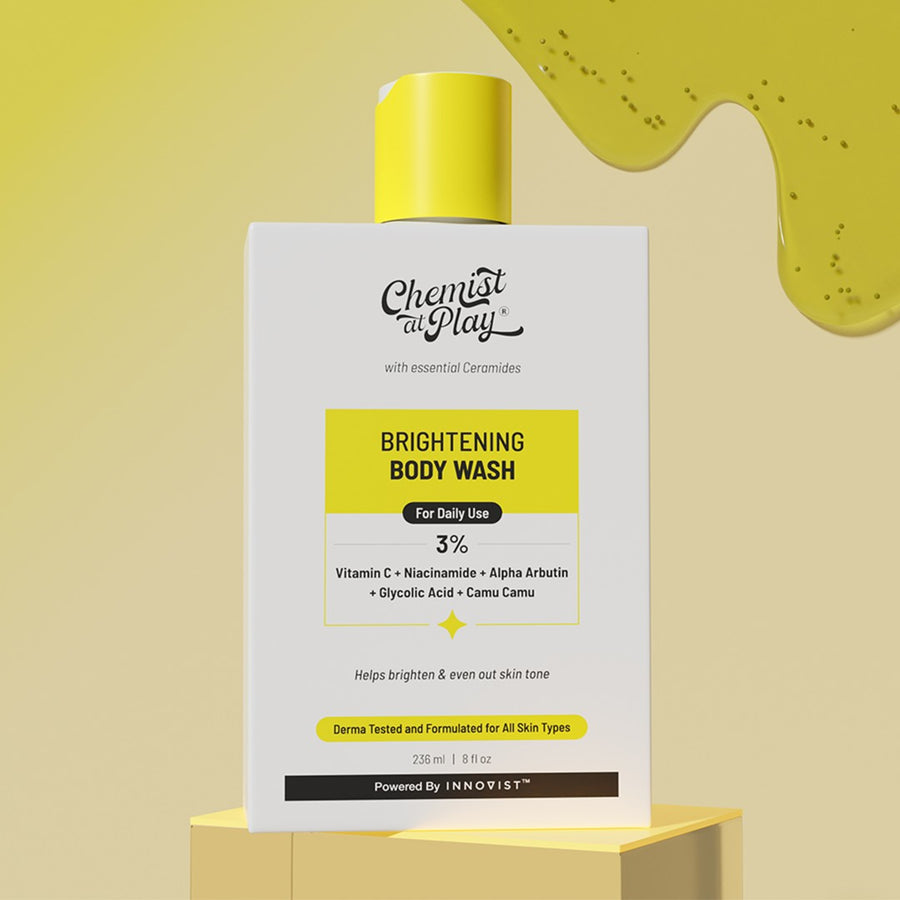
Still using astringent or harsh soaps? It can amplify darkening patches. Consider a pH-balanced body wash that nourishes the skin, doesn’t strip off the skin’s natural oil, and removes dead skin cells that may further result in pigmentation.

6. Seek out a dermatologist if necessary
Persistent or sudden black neck might require medical attention or professional treatments such as peels or lasers.
When to Consult a Dermatologist?
If your neck pigmentation is acute, severe, or thickened, it's time to book a consultation with a dermatologist. You might need their prescribed medication or remedies or a few tests to eliminate hormonal or metabolic origins.

Shop the story



Fenugreek Seeds for Hair Growth & Hair Fall: Benefits, How to Use & Results
Did you know Fenugreek seeds play a vital role in regrowing your hair while preventing hair fall? If not, then you are probably not the only one who was unaware of this fact. Made with the goodness of fenugreek extract, this formula helps strengthen weak roots and prevent unwanted hair...


UV Index Explained: How to Measure Your Daily Sun Risk & Protect Your Skin
When we step out in the sun, most of us only think about temperature or brightness. But the real factor that determines how harmful the sun can be for your skin is the UV Index. Understanding the UV Index helps you know how strong the sun’s ultraviolet radiation is on...


Regrow Your Hair: Top 10 Tips to Regrow Your Hair Naturally
Hair fall, thinning, and slow growth are some of the most searched hair concerns in India. If you’ve been typing “how to regrow hair naturally” or “best way to grow hair faster” into Google lately, you’re not alone. The good news? In many cases, hair regrowth is possible with the...

Guide to the Best Sunscreen for Kids in India
For parents, protecting their child’s delicate skin is a daily concern, and sun safety is at the heart of it. Whether at the playground, swimming pool, or simply walking to school, a child’s exposure to UV rays can lead to sunburn, rashes, and long-term skin problems. You might wonder: What’s...

How to Fix an Oily Scalp Without Drying Out Your Hair?
The main reason for an oily scalp is the excessive production of sebum, a natural oil released by your sebaceous glands on your scalp. This oil is essential for protecting the scalp and keeping hair hydrated. Although sebum is necessary for a healthy scalp, excess levels mixed with sweat can...


